
Sheet Pan Lemon Rosemary Chicken Simple and Tasty
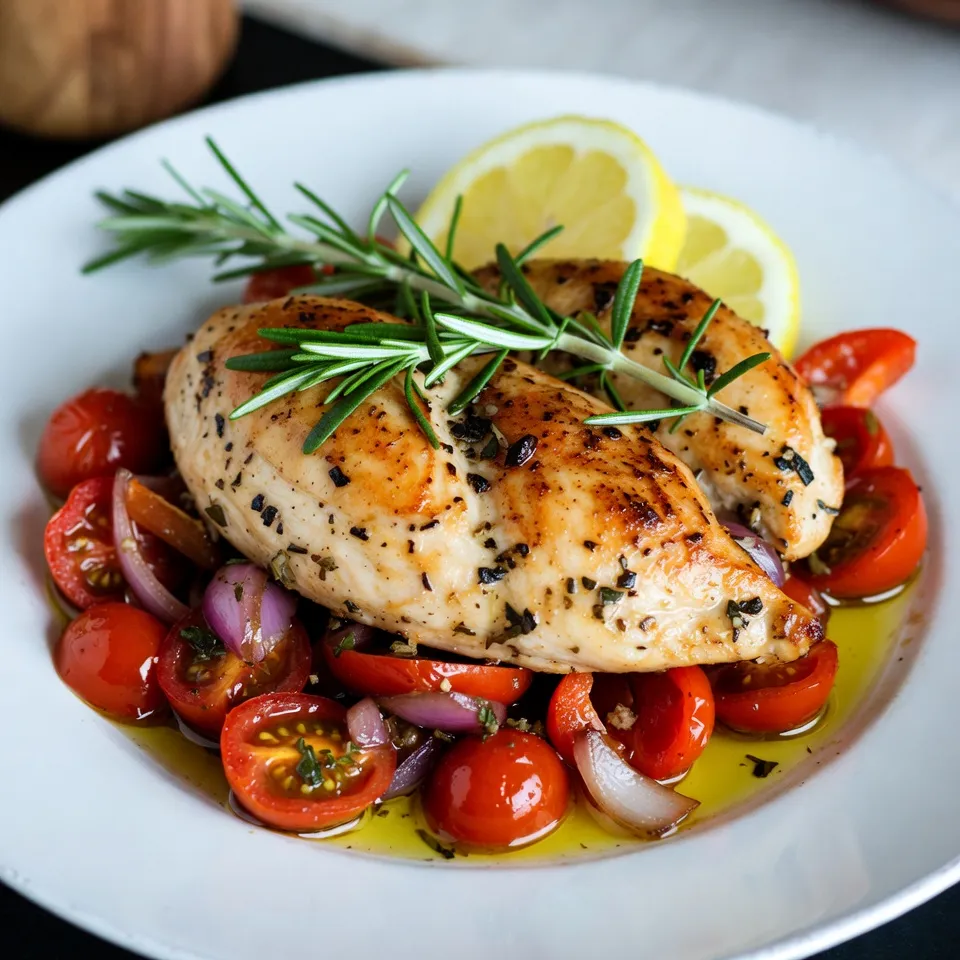

Looking for a simple, tasty meal that impresses with minimal effort? This Sheet Pan Lemon Rosemary Chicken recipe is your answer! With juicy chicken, colorful veggies, and a burst of lemony flavor, you’ll create a feast in no time. Perfect for busy nights or cozy dinners, you’ll enjoy the ease of clean-up with just one pan. Ready to elevate your dinner game? Let’s dive into this delicious recipe!
Why I Love This Recipe
- Fresh and Zesty Flavor: This dish brings together the bright flavors of lemon and rosemary, creating a refreshing and invigorating meal.
- Easy to Prepare: With simple steps and minimal prep time, this recipe is perfect for busy weeknights or special occasions.
- One-Pan Wonder: Bake everything on a single sheet pan, making cleanup a breeze while still delivering a beautiful presentation.
- Healthy Ingredients: With lean chicken and a variety of colorful vegetables, this dish is nutritious and satisfying.
Ingredients
Main Ingredients
– 4 boneless, skinless chicken breasts
– 2 lemons (one for juicing, one sliced into rounds)
– 1/4 cup extra virgin olive oil
– 4 cloves garlic, finely minced
– 2 tablespoons fresh rosemary, finely chopped (or 1 tablespoon dried)
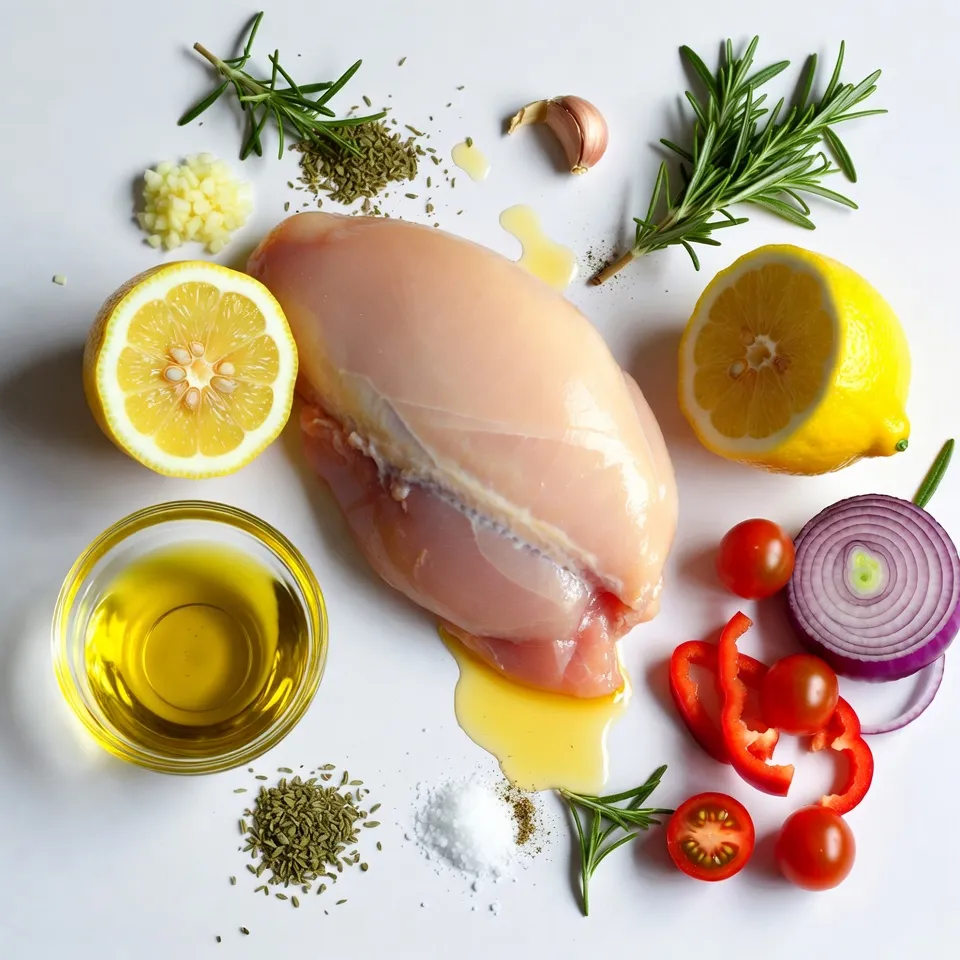
The main ingredients for this dish are simple yet full of flavor. The chicken breasts serve as a great base. They are lean and absorb flavors well. Fresh lemons add brightness to the dish. Their juice will marinate the chicken, while the lemon slices on top add a nice touch. Extra virgin olive oil helps keep the chicken moist and tasty. Garlic adds depth, and rosemary brings a fragrant aroma.
Vegetable Ingredients
– 1 cup cherry tomatoes, halved
– 1 red bell pepper, thinly sliced
– 1 medium red onion, thinly sliced
The vegetables bring color and sweetness. Cherry tomatoes burst with juice as they cook. Red bell peppers add crunch and a sweet flavor. Red onions soften and caramelize, adding a rich taste. Together, they create a colorful mix that pairs well with chicken.
Seasoning Ingredients
– 1 teaspoon dried oregano
– Sea salt and freshly cracked black pepper, to taste
Seasoning is key for great flavor. Dried oregano adds an herbaceous note that complements the rosemary. Sea salt and black pepper enhance all the other tastes. Adjust these to your liking for a perfect balance.
Step-by-Step Instructions
Preparation Steps
1. Preheat the oven: Start by setting your oven to 425°F (220°C). This helps the chicken cook evenly and brown nicely.
2. Make the marinade: In a small bowl, mix together 1/4 cup olive oil, juice from one lemon, 4 minced garlic cloves, 2 tablespoons of chopped rosemary, 1 teaspoon oregano, sea salt, and black pepper. Whisk it well until everything blends.
3. Marinate the chicken: Take 4 boneless, skinless chicken breasts and place them in a large resealable bag or a shallow dish. Pour the marinade over the chicken. Make sure each piece is coated well. Seal the bag or cover the dish and chill it in the fridge for at least 30 minutes, or up to 2 hours for more flavor.
Vegetable Preparation
1. Arrange the vegetables on the sheet pan: On a large sheet pan, spread out 1 cup of halved cherry tomatoes, 1 sliced red bell pepper, and 1 sliced red onion. This mix adds color and flavor.
2. Drizzle and season vegetables: Lightly drizzle the veggies with olive oil. Sprinkle sea salt and black pepper on top. Toss them gently to coat evenly.
Combining and Baking
1. Combine chicken with vegetables: After marinating, take the chicken out of the fridge. Place it on the sheet pan with the veggies. Add some lemon slices on top of each chicken breast for extra zest.
2. Baking instructions: Slide the sheet pan into your preheated oven. Bake for 20-25 minutes. The chicken should reach 165°F (75°C) inside and look golden brown. The vegetables will be tender and slightly caramelized.
This method gives you a one-pan meal that’s full of flavor. Enjoy your delicious creation!
Tips & Tricks
Marination Tips
– The best time to marinate is at least 30 minutes.
– For strong flavor, marinate for up to 2 hours.
Marinating chicken is key. It brings out the best flavors. Use lemon juice, garlic, and herbs in your marinade. This mix tenderizes the chicken and adds deep flavor. Always coat the chicken well. If you can, flip it halfway through marinating. This way, the flavors soak in evenly.
Cooking Tips
– Use a meat thermometer to check chicken doneness.
– Cook vegetables based on thickness and type.
To ensure your chicken is done, check for 165°F (75°C). This is safe for eating. For vegetables, softer ones like tomatoes cook fast. Harder ones, like bell peppers, may take longer. Cut them into similar sizes for even cooking. Toss them on the sheet pan with olive oil and seasoning to help them roast nicely.
Serving Suggestions
– Serve the dish on the sheet pan or on plates.
– Pair with crusty bread or rice for a full meal.
When your dish is ready, you can present it beautifully. For a rustic touch, serve directly from the sheet pan. Drizzle any pan juices on top for extra flavor. Enjoy it with a side of warm, crusty bread or fluffy rice. This adds heartiness to your meal and makes it even more satisfying.
Pro Tips
- Marinate Longer for Depth: For even more flavor, marinate the chicken for up to 2 hours. This allows the herbs and lemon to penetrate the chicken, making it tender and flavorful.
- Use Fresh Ingredients: Whenever possible, opt for fresh herbs and vegetables. They provide vibrant flavors and enhance the overall appeal of the dish.
- Monitor Internal Temperature: Ensure your chicken reaches an internal temperature of 165°F (75°C) for safety and optimal juiciness. A meat thermometer is a great tool for this.
- Experiment with Veggies: Feel free to add other vegetables like zucchini or asparagus. This dish is versatile, and seasonal veggies can add a delightful twist.
Variations
Ingredient Substitutions
You can change the herbs in this recipe. Try thyme or sage instead of rosemary. These herbs add a nice twist. You can also mix different herbs together. If you want, use dried herbs instead of fresh. Remember, dried herbs are stronger, so use less.
For chicken, you can swap breasts for thighs. Chicken thighs stay juicy and tender. You can even use turkey or pork if you want a new flavor. Just adjust the cooking time to match the meat.
Different Vegetable Options
Feel free to use seasonal vegetables. Zucchini, carrots, or asparagus can work well. Each of these adds unique taste and color. You can also use root vegetables like potatoes. Just cut them into even pieces for even cooking.
When roasting, try different techniques. Roasting at a higher temperature gives a crispy finish. You can also cook them longer for softer veggies. Just watch them closely to avoid burning.
Flavor Enhancements
To spice things up, add spices like paprika or cumin. These spices boost the flavor. You can also try a dash of chili flakes for heat.
For alternative marinades, use soy sauce or balsamic vinegar. These options create a different flavor profile. You can mix and match to find what you love best.
Storage Info
Storing Leftovers
To keep your lemon rosemary chicken fresh, store it properly. Place the cooled chicken and veggies in an airtight container. Refrigerate them for up to three days. For longer storage, freeze the leftovers. Wrap the chicken tightly in plastic wrap, then place it in a freezer-safe bag. It can last up to three months in the freezer.
Reheating Instructions
When reheating, aim to keep the chicken juicy. The best method is to use the oven. Preheat it to 350°F (175°C). Place the chicken on a baking sheet and cover it with foil to keep it moist. Heat for about 15-20 minutes, or until warmed through. You can also use a microwave for quick reheating. Just be careful not to overcook it, as this can dry it out.
Recipe Scaling
If you need to adjust the servings, it’s easy to scale the recipe. For two servings, use two chicken breasts and halve the veggies and marinade. If you want to make a larger batch, double all the ingredients. Keep the same ratios for the marinade, garlic, and herbs to maintain the flavor. Remember to adjust the baking time if you add more chicken or vegetables.
FAQs
Common Questions about Sheet Pan Lemon Rosemary Chicken
How long to cook chicken in the oven?
I cook the chicken for 20 to 25 minutes at 425°F (220°C). It should reach 165°F (75°C) inside. A meat thermometer helps ensure it’s done.
Can I use bone-in chicken?
Yes, you can use bone-in chicken. Just increase the cooking time by about 10 to 15 minutes. Bone-in chicken may take longer to cook.
Is this recipe gluten-free?
Absolutely! All the ingredients in this recipe are gluten-free. Just check any store-bought items for hidden gluten.
Tips for the Best Results
What to do if the chicken is dry?
If the chicken turns out dry, it might have cooked too long. Always check for doneness early. You can also add a splash of broth or olive oil to keep it moist.
How to make chicken more flavorful?
To boost flavor, marinate the chicken for longer. Aim for at least 2 hours. You can also add more garlic or fresh herbs.
Alternative Cooking Methods
Can I make this in an air fryer?
Yes! Set the air fryer to 375°F (190°C). Cook for about 15 to 20 minutes. Check the chicken’s temperature to ensure it’s cooked.
How to grill lemon rosemary chicken?
To grill, marinate the chicken as usual. Heat the grill to medium-high. Cook for about 6 to 8 minutes per side. Add lemon slices on top while grilling for extra flavor.
In this post, we covered a simple recipe for sheet pan lemon rosemary chicken. You learned how to prepare tasty ingredients, marinate chicken, and bake everything together. We also shared tips for making the dish better and variations to keep it fresh. Remember, cooking should be fun and easy. With these steps, you can create a delightful meal. Enjoy your cooking journey, and don’t be afraid to experimen

Zesty Lemon Rosemary Chicken Delight
Ingredients
- 4 pieces boneless, skinless chicken breasts
- 2 pieces lemons (one for juicing, one sliced into rounds)
- 0.25 cup extra virgin olive oil
- 4 cloves garlic, finely minced
- 2 tablespoons fresh rosemary, finely chopped (or 1 tablespoon dried)
- 1 teaspoon dried oregano
- to taste sea salt and freshly cracked black pepper
- 1 cup cherry tomatoes, halved
- 1 piece red bell pepper, thinly sliced
- 1 medium red onion, thinly sliced
- optional fresh rosemary sprigs for garnish
Instructions
- Preheat the Oven: Set your oven to 425°F (220°C) to prepare for baking.
- Make the Marinade: In a small bowl, whisk together the olive oil, juice of one lemon, minced garlic, chopped rosemary, dried oregano, sea salt, and freshly cracked black pepper until well combined.
- Marinate the Chicken: Place the chicken breasts in a large resealable plastic bag or a shallow dish. Pour the marinade over the chicken, ensuring each piece is generously coated. Seal the bag or cover the dish and refrigerate for at least 30 minutes, or up to 2 hours for a more robust flavor infusion.
- Prepare the Vegetables: On a large sheet pan, arrange the halved cherry tomatoes, sliced bell pepper, and red onion in an even layer. Drizzle with a little olive oil and season with sea salt and freshly cracked black pepper. Toss the vegetables to ensure they are evenly coated.
- Combine Chicken and Vegetables: Once marinated, remove the chicken from the bag and arrange it on the sheet pan with the prepared vegetables. Top each chicken breast with a few lemon slices for an extra burst of flavor.
- Bake to Perfection: Place the sheet pan in the preheated oven and bake for 20-25 minutes, or until the chicken is cooked through, reaching an internal temperature of 165°F (75°C), and boasts a lovely golden brown color. The vegetables should be fork-tender and slightly caramelized.
- Rest and Garnish: Carefully remove the sheet pan from the oven and let the dish rest for 5 minutes to allow the juices to redistribute. If desired, garnish with fresh rosemary sprigs for an aromatic touch.

![- 1 lb boneless, skinless chicken thighs, cut into bite-sized chunks - 2 tablespoons olive oil - 1 cup broccoli florets, washed and trimmed - 1 red bell pepper, sliced into thin strips - 1 cup snap peas, ends trimmed - 1 small carrot, julienned - 3 green onions, finely chopped - 2 cloves garlic, minced - 1 tablespoon fresh ginger, grated - 1/4 cup low-sodium soy sauce - 2 tablespoons honey - 1 tablespoon rice vinegar - 1 teaspoon sesame oil - Salt and freshly ground black pepper to taste - Toasted sesame seeds for garnish The chicken is the star here. I use boneless, skinless thighs for juiciness. They cook quickly and stay tender. For veggies, I choose bright broccoli, sweet bell pepper, crisp snap peas, and a touch of carrot for color. Fresh garlic and ginger add a zing. The sauce blends soy sauce, honey, rice vinegar, and sesame oil for a sweet and savory mix. - Other protein options: shrimp, beef, or tofu - Additional veggies: zucchini, mushrooms, or bell peppers - Garnishes and toppings: cilantro, green onions, or chili flakes You can swap chicken for shrimp, beef, or even tofu for a vegetarian twist. Feel free to add other veggies like zucchini or mushrooms. They all taste great! Top with fresh cilantro or chili flakes for extra flavor. This dish is fun to customize based on what you have at home. For more details, you can check the Full Recipe. To start, gather your teriyaki sauce ingredients. You need low-sodium soy sauce, honey, rice vinegar, sesame oil, garlic, and ginger. In a small bowl, mix these ingredients well. A whisk works great here. This sauce adds a sweet and savory taste to your dish. Next, heat olive oil in a large skillet or wok. Use medium-high heat for the best results. When the oil shimmers, add the chicken chunks. Sprinkle a pinch of salt and black pepper over it. Cook for about 5-7 minutes. Turn the chicken often until it is brown and cooked through. Remove the chicken and set it aside on a plate. In the same skillet, add your vegetables: broccoli, bell pepper, snap peas, and carrot. Stir them for 3-4 minutes. You want the veggies to stay bright and start to soften. This keeps them crunchy and full of flavor. Now, return the cooked chicken to the skillet. Pour the teriyaki sauce over everything. Toss gently to coat the chicken and veggies evenly. Cook for another 2-3 minutes. This allows the flavors to meld nicely. Finally, remove the skillet from the heat. Stir in finely chopped green onions. This adds a fresh taste. To serve, spoon the stir fry onto plates. Sprinkle toasted sesame seeds on top for a nice finish. You can serve it over jasmine rice or alongside quinoa. This makes a complete meal. Enjoy the vibrant colors and flavors! - Overcooking the chicken: Overcooked chicken turns dry and tough. Cook it just until it's no longer pink inside. This usually takes about 5-7 minutes on medium-high heat. - Vegetable texture issues: If you overcook the veggies, they lose their crispness. Stir fry them for about 3-4 minutes. They should be bright and tender but still crunchy. - Flavor tweaks: Want more heat? Add chili flakes or sriracha to your teriyaki sauce. Prefer a sweeter taste? Mix in more honey or brown sugar. Adjust the sauce to match your taste. - Alternative vegetables: You can swap out the veggies based on what you have. Try bell peppers, zucchini, or even bok choy. Mix and match for fun flavors and colors. - Sweetness adjustments: If the sauce is too sweet, add a splash of soy sauce. If it’s not sweet enough, add more honey. Taste as you go to get it just right. - Thickness options: To thicken your sauce, simmer it longer in the pan. For a thinner sauce, add a bit of water or broth. This helps you control the sauce for your liking. By following these tips, you'll create a teriyaki chicken stir fry that's both delicious and fun to make. If you're ready to dive in, check out the Full Recipe for all the details! {{image_4}} You can easily make this dish fit your diet. - Low-Carb Options: Swap the chicken for shrimp or tofu. Use cauliflower rice instead of white rice. This keeps the flavor but cuts carbs. - Vegetarian or Vegan Swaps: For a plant-based dish, use tofu or tempeh. You can also add more veggies like bell peppers or mushrooms. You can give your stir fry a twist. - Different Sauce Options: Try a hoisin sauce or sweet chili sauce for a different taste. You can even add peanut butter for a creamy texture. - Cultural Twists on Stir Fry: Add spices like curry powder for an Indian flavor. Or use a teriyaki sauce recipe from Japan. Each culture adds its unique flair. Using seasonal produce can enhance your dish. - Best Vegetables to Use Per Season: In spring, use asparagus and snap peas. In summer, add zucchini and bell peppers. Fall is great for carrots and squash. Winter brings hearty greens like kale. - Sustainable Sourcing Tips: Shop local farmers' markets. This supports local farms and gets you fresh ingredients. You can also look for organic labels to ensure quality. Explore these options to make your teriyaki chicken stir fry even more special! To store your teriyaki chicken stir fry, first let it cool down. Place it in an airtight container. This helps keep the flavors fresh. You can refrigerate it for up to three days. If you want to keep it longer, freezing is a good option. Use a freezer-safe container or bag. It can last up to three months in the freezer. When you're ready to eat your leftovers, reheating is easy. For the microwave, place the stir fry in a bowl. Cover it with a microwave-safe lid. Heat it for one to two minutes, stirring halfway. This ensures even heating. If you prefer a skillet, heat a small amount of oil over medium heat. Add the stir fry and stir until warm, about three to five minutes. In the fridge, your teriyaki chicken stir fry lasts about three days. Be sure to check for signs of spoilage before eating. If you see any mold or if it smells off, it's best to throw it away. When frozen, the stir fry can sit for up to three months. After that, the taste may not be as good. Always trust your senses when it comes to food safety. You can serve teriyaki chicken stir fry with rice or noodles. Here are some great options: - Jasmine rice: This fluffy rice pairs well with teriyaki sauce. - Brown rice: A healthier option with more fiber. - Egg noodles: These add a nice chew to your meal. - Quinoa: A protein-rich choice that adds texture. - Side salad: A fresh salad can balance the flavors. Try pairing your stir fry with steamed or sautéed vegetables. Broccoli, bok choy, and carrots work well. You can also serve it with a light soup for a complete meal. Yes, you can make teriyaki chicken stir fry in advance. Here are some tips: - Cook and cool: Prepare the dish fully, then cool it quickly. - Store properly: Place it in an airtight container in the fridge. - Reheat gently: When ready to eat, heat it on the stove or in the microwave. Meal prep makes busy nights easier. You can also chop veggies ahead of time. This saves time and lets you enjoy a fresh meal. Teriyaki chicken stir fry is tasty and nutritious. Here are the key facts: - Caloric content: One serving has about 350 calories. - Protein: It has around 30 grams of protein from chicken. - Carbohydrates: Expect about 30 grams, mostly from veggies and sauce. - Fat: It contains about 10 grams, mostly healthy fats from olive oil. This dish is rich in vitamins and minerals, thanks to the colorful veggies. Broccoli offers vitamin C, while carrots are high in beta-carotene. Enjoy this dish for a balanced meal! For the complete instructions and ingredient list, check out the [Full Recipe]. Teriyaki chicken stir fry is a simple dish to make at home. You learned key ingredients, how to prepare the sauce, and tips for cooking. Avoid common mistakes like overcooking chicken. Customize your stir fry with different veggies or proteins to suit your taste. Remember, fresh ingredients make a big difference. Whether you serve it fresh or store leftovers, this dish is delicious. Enjoy creating your own unique stir fry!](https://joymealplan.com/wp-content/uploads/2025/06/4a36c5e3-194c-4011-88f6-f3f1f5f34a05-768x768.webp)