Mini Lemon Meringue Pies Delightful Sweet Treat


Craving a sweet, tangy, and fluffy dessert? Mini Lemon Meringue Pies are the answer! These delightful treats combine a buttery crust, zesty lemon filling, and a cloud-like meringue. Perfect for parties or a cozy night in, they are easy to make and impress everyone. Join me as I guide you step-by-step through creating these delicious mini pies. Your taste buds will thank you!
Why I Love This Recipe
- Delicious Balance: The tartness of the lemon filling perfectly complements the sweetness of the meringue, creating a delightful taste experience.
- Adorable Size: Mini pies are not only cute but also a perfect portion for a little indulgence without feeling guilty.
- Fun to Make: Creating these mini pies is a fun and rewarding baking project that brings joy to any kitchen.
- Impressive Presentation: These mini lemon meringue pies look stunning on any dessert table, making them a showstopper at gatherings.
Ingredients
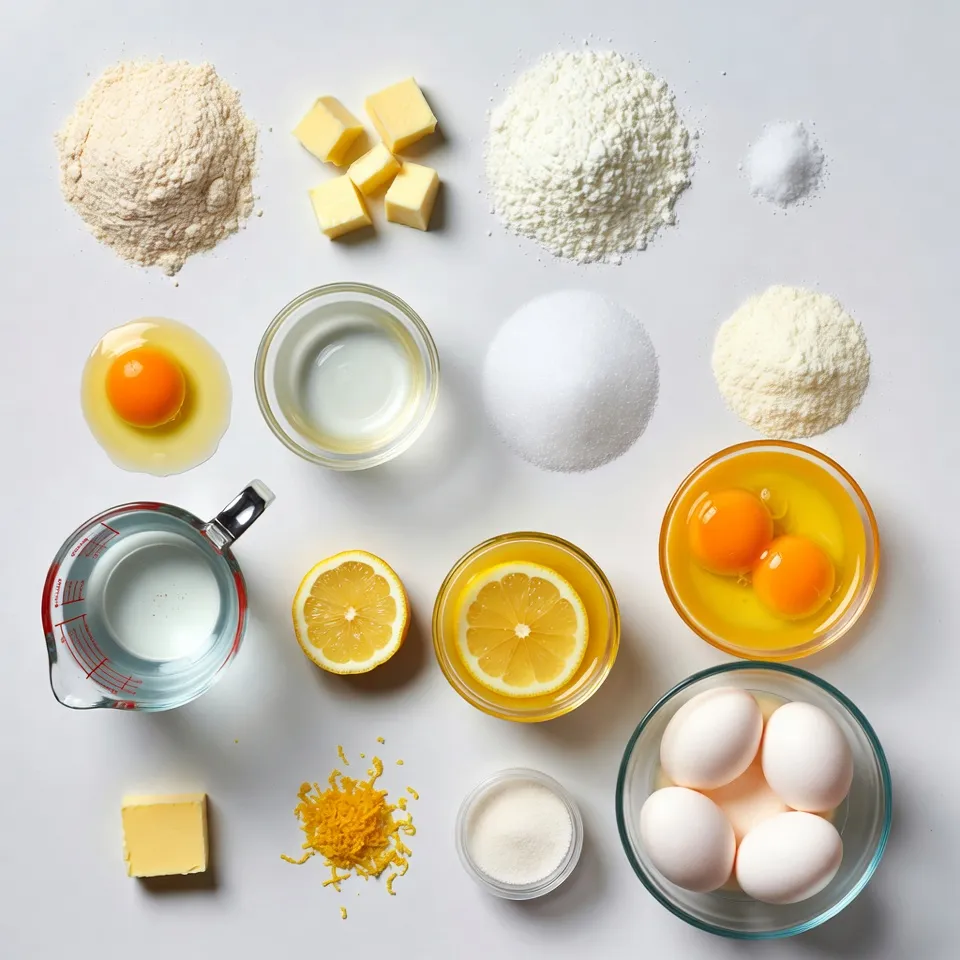
Crust Ingredients
– 1 cup all-purpose flour
– 1/2 cup unsalted butter, cold and cubed
– 1/4 cup powdered sugar
– 1/4 teaspoon salt
– 1 large egg yolk
– 2 tablespoons cold water
Lemon Filling Ingredients
– 1/2 cup granulated sugar
– 1/4 cup cornstarch
– 1 cup water
– 3 large egg yolks, lightly beaten
– 1/2 cup freshly squeezed lemon juice
– 1 teaspoon lemon zest
– 1 tablespoon unsalted butter
Meringue Ingredients
– 3 large egg whites
– 1/4 teaspoon cream of tartar
– 1/2 cup granulated sugar
Gather these fresh ingredients, and you are ready to create magic.
For the crust, use cold butter. This helps create a flaky texture. The powdered sugar adds a touch of sweetness, which balances the tart lemon. Keep the dough cold for the best results.
Moving on to the lemon filling, fresh lemon juice and zest are key. They give the pies a bright, zesty flavor. The cornstarch helps the filling thicken and stay smooth. You want the filling to be creamy yet firm.
Finally, the meringue needs just three simple ingredients, but it takes practice. The cream of tartar helps the egg whites whip into stiff peaks. This gives the topping its airy texture.
Each ingredient plays a crucial role, ensuring your mini lemon meringue pies are a hit!
Step-by-Step Instructions
Preparing the Crust
– Combine 1 cup all-purpose flour, 1/4 cup powdered sugar, and 1/4 teaspoon salt in a bowl. Add 1/2 cup cold, cubed unsalted butter.
– Use a fork or pastry cutter to mix until the mixture looks like coarse crumbs.
– Add 1 large egg yolk and 2 tablespoons cold water. Mix until the dough forms a ball.
– Divide the dough into small balls, about 1 inch wide. Press each ball into a mini muffin pan.
Baking the Crust
– Preheat your oven to 350°F (175°C).
– Place the muffin pan in the refrigerator for about 10 minutes. This helps the crusts stay firm.
– Bake the crusts for 12-15 minutes, or until golden brown. Let them cool in the pan for a few minutes.
Making the Lemon Filling
– In a medium saucepan over medium heat, whisk together 1/2 cup granulated sugar, 1/4 cup cornstarch, and 1 cup water. Stir until smooth.
– Cook the mixture while stirring constantly until it thickens and bubbles.
– Gradually mix a small amount of the hot mixture into 3 large beaten egg yolks. This helps temper the yolks.
– Return the yolks to the saucepan, whisking constantly for 2-3 minutes. Then, remove from heat and add 1/2 cup lemon juice, 1 teaspoon lemon zest, and 1 tablespoon butter.
Assembling the Mini Pies
– Spoon the lemon filling into each cooled crust, filling them to the top.
– In a clean bowl, beat 3 egg whites and 1/4 teaspoon cream of tartar until soft peaks form.
– Gradually add 1/2 cup granulated sugar while mixing. This makes a glossy meringue.
– Use a spoon or piping bag to dollop or pipe the meringue onto each mini pie.
Baking the Meringue
– Place the filled mini pies back in the oven.
– Bake at 350°F (175°C) for 10-12 minutes, until the meringue is lightly browned.
– Let the mini pies cool completely before serving.
Tips & Tricks
Perfecting the Crust
– To make a great crust, avoid overworking the dough.
– Chill the crust to prevent shrinking while baking.
Enhancing the Lemon Filling
– Always use freshly squeezed lemon juice for the best flavor.
– Allow the filling to cool properly before adding it to the crust.
Achieving the Ideal Meringue
– Make sure your mixing bowl is clean and dry.
– Gradually add sugar to the egg whites for better stability.
These tips will help you create mini lemon meringue pies that are both tasty and beautiful. By focusing on each part, you can make sure every bite is a delight. Enjoy your time baking!
Pro Tips
- Chill the Dough: Chilling the crust dough before baking helps prevent it from shrinking and ensures a flaky texture.
- Use Fresh Lemons: For the best flavor, always use freshly squeezed lemon juice and zest rather than bottled alternatives.
- Perfect Meringue: Ensure your mixing bowl is completely clean and dry when beating egg whites for meringue, as any grease can prevent it from reaching stiff peaks.
- Serve Chilled: For a refreshing treat, serve the mini lemon meringue pies chilled. They taste best after resting in the refrigerator for a bit!

Variations
Flavor Options
You can easily switch up the flavor of your mini pies.
– Add berries for a fruit twist: Blueberries or raspberries make a great mix with lemon. They add a nice sweetness and color.
– Try key lime instead of lemon: Key lime gives a unique taste. It’s tart yet creamy, making each bite delightful.
Different Topping Ideas
Toppings can change the whole vibe of your mini pies.
– Use whipped cream instead of meringue: This adds a light and fluffy texture. Whipped cream can also add a rich creaminess.
– Add a caramel drizzle for richness: A swirl of caramel brings a sweet contrast to the tart filling. It’s an unexpected treat!
Alternative Crust Options
The crust can also vary to suit your tastes.
– Use graham cracker or almond flour crusts: These options add a unique flavor and texture. Graham crackers give a sweet crunch, while almond flour adds nuttiness.
– Explore gluten-free crust recipes: If you need a gluten-free option, many recipes use almond flour or gluten-free blends. You won’t miss the regular crust!
Storage Info
Storing Leftover Mini Pies
To keep your mini lemon meringue pies fresh, store them in the fridge. They last up to three days in this cold space. Use an airtight container to seal in the flavor. This will prevent them from drying out or absorbing other smells from the fridge.
Freezing Instructions
You can freeze these mini pies before or after baking. If you freeze them before baking, cover them well to avoid freezer burn. When you are ready to enjoy them, bake directly from the freezer. If freezing after baking, let them cool first. Wrap them tightly in plastic wrap and then in foil. For thawing, place them in the fridge overnight. Reheat them gently in the oven at 350°F (175°C) for about 10 minutes. This will revive their crisp crust and fluffy meringue.
FAQs
How do I prevent the meringue from weeping?
To prevent weeping, add cornstarch to your meringue. Cornstarch helps stabilize the meringue. Also, bake immediately after you prepare the meringue. This keeps it firm and prevents moisture loss.
Can I use store-bought crusts?
Yes, you can use store-bought crusts. This option saves time and effort. Just make sure to fill them with the lemon mixture and top with meringue.
How do I know when the filling is thick enough?
You will know the filling is thick enough when it bubbles and has a thickened look. Stir constantly while cooking to help it reach this stage. This ensures a smooth texture for your mini pies.
Making mini lemon meringue pies is fun and rewarding. We explored the layers of a great pie: buttery crust, zesty filling, and fluffy meringue. With simple steps and tips, you can create tasty treats. Don’t hesitate to try fun variations, too! Whether you store leftovers or enjoy them fresh, these pies deliver joy with every bite. Your kitchen can become a pie-making haven, so gather your ingredients and start. Happy bakin

Mini Lemon Meringue Pies
Ingredients
- 1 cup all-purpose flour
- 1 2 cup unsalted butter, cold and cubed
- 1 4 cup powdered sugar
- 1 4 teaspoon salt
- 1 large egg yolk
- 2 tablespoons cold water
- 1 2 cup granulated sugar (for filling)
- 1 4 cup cornstarch
- 1 cup water
- 3 large egg yolks, lightly beaten (for filling)
- 1 2 cup freshly squeezed lemon juice
- 1 teaspoon lemon zest
- 1 tablespoon unsalted butter (for filling)
- 3 large egg whites (for meringue)
- 1 4 teaspoon cream of tartar
- 1 2 cup granulated sugar (for meringue)
Instructions
- Prepare the Crust: In a food processor, combine the all-purpose flour, cold cubed butter, powdered sugar, and salt. Pulse until the mixture resembles coarse crumbs, indicating that the butter is well incorporated.
- Add the egg yolk and cold water. Pulse again until the dough starts to come together, forming a ball.
- Divide the dough into small balls, approximately 1 inch in diameter. Press each ball into the bottom and up the sides of a mini muffin pan to create individual crusts.
- Preheat the Oven: Set your oven to 350°F (175°C). While the oven is warming, place the muffin pan in the refrigerator to chill the crusts for about 10 minutes.
- Bake the Crusts: After chilling, bake the crusts in the preheated oven for 12-15 minutes, or until they turn lightly golden. Remove from the oven and allow them to cool in the pan for a few minutes before transferring them to a wire rack to cool completely.
- Prepare the Lemon Filling: In a medium saucepan over medium heat, whisk together the granulated sugar, cornstarch, and water until the mixture is smooth. Continue cooking, stirring constantly, until the mixture thickens and begins to bubble.
- Carefully temper the beaten egg yolks by gradually mixing a small amount of the hot mixture into them. Then, return all the egg yolks to the saucepan, whisking constantly for an additional 2-3 minutes until well combined.
- Remove the saucepan from the heat and stir in the freshly squeezed lemon juice, lemon zest, and the tablespoon of butter until fully blended. Allow the filling to cool slightly.
- Fill the Crusts: Generously spoon the lemon filling into each cooled mini crust, filling them to the brim.
- Make the Meringue: In a clean mixing bowl, use an electric mixer to beat the egg whites and cream of tartar on medium speed until soft peaks form. Gradually add the granulated sugar while continuing to beat until stiff peaks form and the meringue achieves a glossy finish.
- Use a spoon or piping bag to swirl or dollop the meringue over the lemon filling in each mini pie, creating beautiful peaks and designs.
- Bake the Mini Pies: Return the mini pies to the oven and bake at 350°F (175°C) for an additional 10-12 minutes, or until the meringue is lightly browned and set.
- Remove the mini lemon meringue pies from the oven and allow them to cool completely before serving.
![- 1 cup glutinous (sticky) rice - 1 ½ cups coconut milk - 1 ripe mango, peeled and thinly sliced - ¼ cup granulated sugar - ¼ teaspoon salt Glutinous rice gives Mango Sticky Rice its unique texture. It sticks together and becomes chewy when cooked. The coconut milk adds a rich and creamy flavor to the dish. Using ripe mango is key; its sweetness and juiciness balance the rice. - 1 tablespoon sesame seeds (toasted, optional) - Fresh mint leaves for garnish (optional) Toasted sesame seeds provide a nice crunch. Fresh mint leaves add a pop of color and a refreshing taste. Both are great if you want to elevate your dish. - Calories per Serving: Approximately 300 calories - Key Nutrients: Carbohydrates, fats, fiber, vitamin C, and iron Mango Sticky Rice is a delightful dessert. While it is not low-calorie, it offers some nutrients. The rice provides energy, and mango adds vitamins. Enjoy it as an occasional treat! For the complete recipe, check out the Full Recipe. Rinsing and Soaking the Rice Start by rinsing the sticky rice under cold water. Keep rinsing until the water runs clear. This step removes excess starch. It's key for the right texture. After rinsing, soak the rice in water for 4 hours. If you can, soak it overnight. This helps the rice absorb water and cook better. Steaming Process After soaking, drain the rice. Place it in a steamer lined with cheesecloth or a steaming basket. Steam the rice over simmering water for 25 to 30 minutes. You want it to become translucent and tender. This process makes the rice fluffy and sticky, perfect for the dish. Combining Ingredients While the rice steams, prepare the coconut milk mixture. In a medium saucepan, mix coconut milk, sugar, and salt. Stir the mixture over low to medium heat. Keep stirring until the sugar dissolves. Be careful not to boil it; you want a smooth texture. Cooking Technique Once the sugar is dissolved, take the saucepan off the heat. This step ensures the coconut milk stays creamy. Set it aside until the rice is ready. This coconut milk will add a rich flavor to the sticky rice. Mixing Rice and Coconut Milk When the sticky rice is cooked, transfer it to a large bowl. Gradually pour in about 1 cup of the warm coconut milk mixture. Use a gentle folding motion to mix it in. Make sure every grain of rice is coated. Let it sit for 15 to 20 minutes. This allows the rice to absorb the coconut flavor. Plating Suggestions To serve, scoop a generous amount of sticky rice onto a plate. Arrange thin slices of ripe mango on top. Drizzle some extra coconut milk over it. For added crunch, sprinkle toasted sesame seeds on top. You can also garnish with fresh mint leaves for a pop of color. This makes the dish look as good as it tastes! For the complete method, check the Full Recipe. Appearance and Aroma Indicators When choosing mangoes, look for smooth skin. The color should be bright and rich. A ripe mango feels slightly soft when gently squeezed. It should also have a sweet aroma near the stem. This smell tells you it's ready to eat. Ideal Varieties for the Dish For this dessert, I recommend using the Ataulfo or Haden mango. Ataulfo mangoes have a creamy texture and sweet taste. Haden mangoes are juicy and fragrant, adding great flavor to your dish. Both work well with the sticky rice. Toasting Sticky Rice Option Toasting the sticky rice can bring out a nutty taste. Before soaking, heat it in a pan over low heat. Stir it for a few minutes until it turns golden. This step adds depth to the flavor of your dessert. Alternative Sweeteners While granulated sugar is common, you can try other sweeteners. Honey or agave syrup can add unique flavors. Coconut sugar offers a caramel-like taste. Each option can change the dish’s final taste, so feel free to experiment. Serving Style Variations For a fun twist, try serving the sticky rice in small bowls. You can layer the mango slices on top. This makes each serving look special. You can also use a ring mold to shape the rice for a more elegant look. Creative Garnishing Tips Garnishing can elevate your dessert. Sprinkle toasted sesame seeds for crunch. Add fresh mint leaves for color and flavor. You can also drizzle a bit of coconut milk on top for a beautiful finish. These small touches make your dish more appealing. For the complete recipe, check out the [Full Recipe]. {{image_4}} Mango sticky rice shines in Thai cuisine. Each region has its own twist. In northern Thailand, you might find a version with black sticky rice. This adds a nutty flavor and a stunning dark color. Southern styles often emphasize sweetness with extra coconut milk. Other cuisines influence this dish too. In Vietnam, they serve a similar treat called "xôi xoài." It features a sweeter coconut sauce and often includes mung beans. Exploring these variations lets you enjoy mango sticky rice in new ways. If you want vegan options, just use coconut milk. This recipe is already dairy-free. You can also make it gluten-free, since glutinous rice has no gluten. For low-sugar options, try using a sugar substitute. Many people enjoy using stevia or monk fruit. These keep the sweetness without the added calories. Want to make your mango sticky rice unique? You can add food coloring to the rice. This gives it a fun pop of color. Just a few drops will do! Incorporating fruits and nuts is another way to change up the flavor. Add some chopped mango or berries for extra fruitiness. You could also sprinkle in some toasted coconut or nuts for crunch. This adds texture and makes your dish even more delightful. For the full recipe, check out the Mango Paradise Sticky Rice section. When you have leftover mango sticky rice, you want to keep it fresh. Here are some tips: - Refrigeration Tips: Store the sticky rice in an airtight container. It will stay good in the fridge for about 3 to 4 days. Always let the rice cool to room temperature before sealing it to avoid condensation. - Freezing Sticky Rice: If you want to keep it longer, consider freezing. Wrap the sticky rice tightly in plastic wrap. Then place it in a freezer bag. This way, it can last up to 3 months. You can enjoy your mango sticky rice again with these methods: - Microwave vs. Stovetop: The microwave is quick and easy. Place the rice in a bowl, add a splash of water, and cover it. Heat in short bursts until warm. The stovetop can be better for texture. Add a little coconut milk to a pot, then heat the rice gently over low heat. - Maintaining Texture and Flavor: When reheating, stir the rice often. This helps it warm evenly. Adding coconut milk will also keep it creamy and flavorful. You should know how long your mango sticky rice lasts: - How Long Can You Store It? In the fridge, it lasts 3 to 4 days. In the freezer, it can be good for up to 3 months. - Signs of Spoilage: Check for off smells or a change in color. If you see mold or a strange texture, it’s best to throw it away. Always trust your senses! Mango sticky rice is a sweet dessert from Thailand. It features glutinous rice cooked in creamy coconut milk. This dish is very popular in Thai cuisine, often enjoyed as a treat during festivals or special occasions. The soft, sweet rice pairs perfectly with ripe mango slices. The dish represents a delightful mix of flavors and textures. You should not use regular rice. Regular rice will not give the same sticky texture. Glutinous rice is key to achieving that chewy bite. If you cannot find glutinous rice, look for sushi rice as an alternative. It has a similar texture but may not be as sticky. You can easily change the sweetness of your mango sticky rice. To do this, modify the amount of sugar you use. Start with less sugar and add more to taste. If you want alternatives to granulated sugar, try using honey or maple syrup. These can add unique flavors while still sweetening your dish. Mango sticky rice is a simple, yet delicious dessert. It requires just three main ingredients: sticky rice, coconut milk, and fresh mango. You can add garnishes like sesame seeds or mint for that extra touch. Follow the easy steps for preparation and assembly to create this flavorful dish. Remember to choose ripe mangoes for the best taste. With tips on storage and variations, you can enjoy this treat anytime. Experiment with flavors and enjoy the process. Your mango sticky rice will shine with every bite!](https://joymealplan.com/wp-content/uploads/2025/06/5d335504-2931-49f8-8062-6f7285d5d66d-768x768.webp)

![This cinnamon roll casserole is simple and fun. It combines cinnamon rolls, eggs, and milk. You can whip it up in just 10 minutes. This dish is great for breakfast or brunch. You can serve it warm and drizzled with icing. - 1 can (16 oz) refrigerated cinnamon rolls - 6 large eggs - 1 cup milk - 1/2 cup packed brown sugar - 1 teaspoon vanilla extract - 1 teaspoon ground cinnamon - 1/4 teaspoon salt - 1/2 cup chopped pecans or walnuts - 1/2 cup raisins These optional add-ins make the casserole richer. You can mix in nuts for crunch or raisins for sweetness. Feel free to customize it to your taste! To make this tasty cinnamon roll casserole, gather your ingredients first. You need a few easy items. The process is simple and quick, perfect for busy mornings. 1. Preheat the Oven: Start by preheating your oven to 350°F (175°C). This helps the casserole cook evenly. 2. Prepare the Cinnamon Rolls: Open the can of cinnamon rolls. Take each roll and cut it into quarters. This makes them easier to mix. 3. Mix the Egg Mixture: In a big bowl, add the eggs, milk, brown sugar, vanilla, ground cinnamon, and salt. Whisk until it’s smooth. This mix gives flavor and richness. 4. Combine with Cinnamon Rolls: Gently fold the cut cinnamon rolls into the egg mixture. Stir carefully so you don’t break them. If you like nuts or raisins, add them now. 5. Transfer to Casserole Dish: Pour the mixture into a greased 9x13-inch casserole dish. Spread it out evenly with a spatula. 6. Bake to Perfection: Place the casserole in the oven. Bake for 25-30 minutes. It’s ready when the center is set and the top is golden brown. 7. Cool Slightly: Take the casserole out of the oven. Let it cool for about 5 minutes. This helps it firm up for easy serving. 8. Add Icing: Drizzle the icing from the can over the warm casserole. This sweet touch makes it even better. You can find the full recipe for this delightful dish above. Now, let’s get cooking! To make your casserole fluffy, use fresh cinnamon rolls. The fresher the rolls, the better the rise. When mixing, fold the rolls gently into the egg mixture. Avoid pressing down too hard, as you want to keep air pockets. Bake at 350°F for the right texture. If your oven runs hot, check early to prevent overbaking. Serve the casserole warm, just out of the oven. This helps the icing melt and adds to the flavor. If you let it cool too much, it may become dense. A warm casserole is best for a cozy breakfast. You can also reheat leftovers in the microwave for 20-30 seconds if needed. One common mistake is cutting the rolls too small. If you chop them too tiny, they won’t hold their shape during baking. Also, don’t skip the resting time after baking. Letting it cool for five minutes helps it set. Lastly, remember not to overload with extra ingredients. Stick to the recipe for the best results. {{image_4}} You can change the flavor of your cinnamon roll casserole easily. Try adding fresh fruit like apples or berries for a sweet twist. You can also use different flavored cinnamon rolls, like caramel or orange, to surprise your taste buds. If you love chocolate, mix in some mini chocolate chips. They melt and create gooey pockets of goodness. If you need to make the dish healthier, swap regular eggs for egg whites or a flaxseed mixture. Use almond milk instead of regular milk for a dairy-free option. You can also replace the brown sugar with maple syrup or a sugar substitute. This keeps the dish tasty while fitting your needs. Make your casserole special for the season. In the fall, add pumpkin puree and pumpkin spice to the mix. For winter, mix in crushed peppermint candies for a festive flavor. In the spring, consider using lemon zest for a bright and fresh taste. You can even make it a summer dish by adding strawberries or peaches. For the complete recipe, check the [Full Recipe]. To keep your cinnamon roll casserole fresh, store leftovers in an airtight container. Make sure it cools completely before you seal it. You can keep it in the fridge for up to three days. If you want to enjoy it later, freezing is a good option. Always label your container with the date for easy tracking. When you're ready to enjoy leftovers, preheat your oven to 350°F (175°C). Place the casserole in an oven-safe dish and cover it with foil. Heat it for about 15-20 minutes or until warm. You can also use the microwave. Just heat a portion on medium for about 1-2 minutes. Make sure it’s warm throughout. To freeze, cut the casserole into portions and wrap each piece tightly in plastic wrap. Then, place them in a freezer-safe bag or container. You can freeze the casserole for up to two months. When you're ready to eat, thaw it overnight in the fridge, then reheat as mentioned above. Enjoy the sweet flavors even after freezing! Yes, you can make this casserole ahead of time. Prepare it the night before. Just follow the steps until you pour it into the dish. Cover it tightly with plastic wrap and store it in the fridge. In the morning, take it out and let it sit for 10-15 minutes. Then, bake it as directed. This saves time and gives you an easy breakfast! To check if the casserole is done, look for a golden brown top. You can also insert a toothpick in the center. If it comes out clean, it is ready. The center should be set, not jiggly. Baking should take about 25-30 minutes in a preheated oven. You can serve this casserole with a variety of sides. Fresh fruit adds a nice touch. Sliced strawberries or blueberries work well. You might also enjoy it with yogurt for creaminess. If you like a heartier meal, pair it with scrambled eggs or bacon. These choices make a complete and tasty breakfast! For the full recipe and more details, check out the [Full Recipe]. In this post, we explored how to make a delicious Cinnamon Roll Casserole. We covered the key ingredients, cooking steps, and tips for a fluffy dish. You learned how to customize flavors and find the best storage practices. Remember, you can alter the recipe for different diets. Avoid common mistakes to make the best casserole. With these steps, you will create a treat everyone will love. Enjoy the cooking process and share your tasty results!](https://joymealplan.com/wp-content/uploads/2025/06/38cd94bd-2978-4cba-9687-581b6c0fa5a5-768x768.webp)