Sheet-Pan Balsamic Sausage & Veggies Delightful Meal
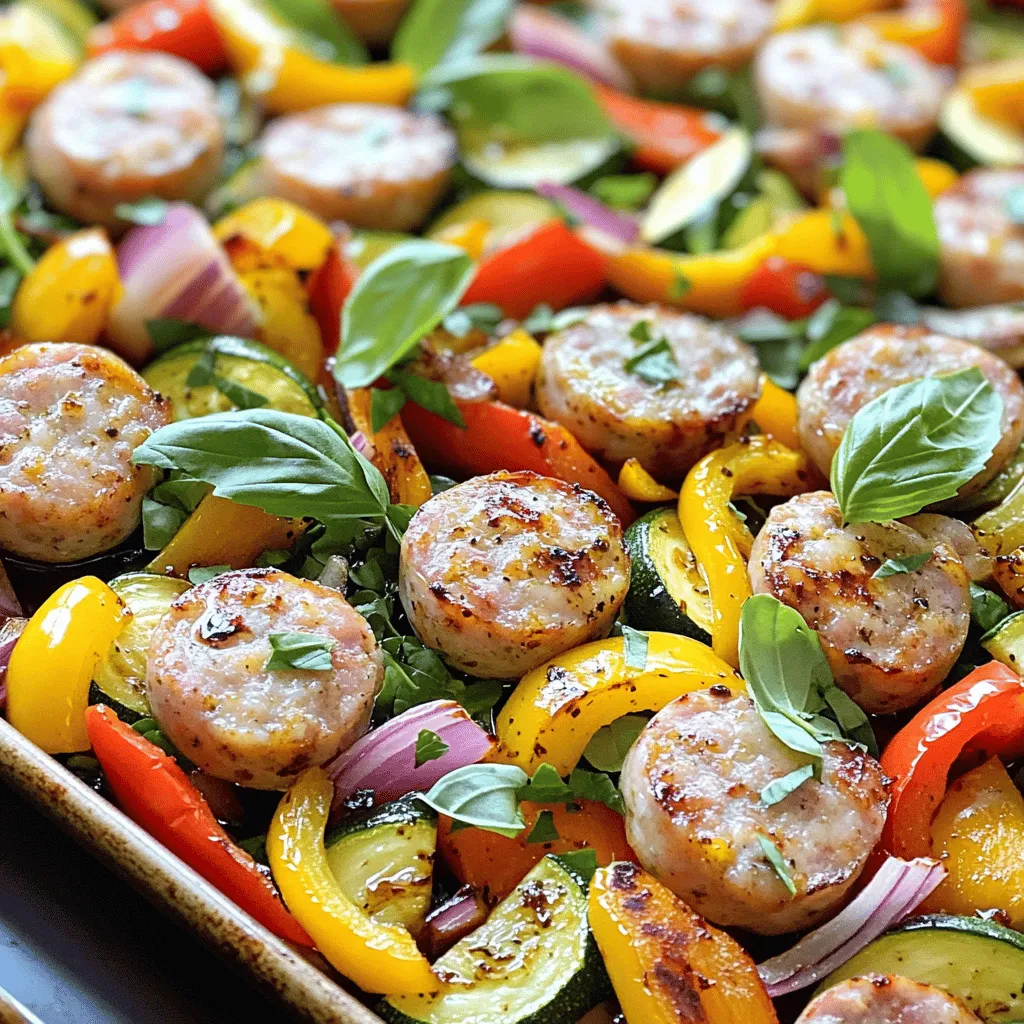
Looking for a quick and tasty meal? You’ll love this Sheet-Pan Balsamic Sausage & Veggies! With juicy Italian chicken sausages and colorful veggies like bell peppers and zucchini, you’ll get a wholesome dish in just one pan. This easy recipe takes only minutes to prep and is packed with flavor. Let’s dive into how to make this delightful meal that everyone will enjoy!
Ingredients
Main Ingredients
– 4 Italian chicken sausages, sliced into 1-inch pieces
– 1 red bell pepper, diced into bite-sized pieces
– 1 yellow bell pepper, diced into bite-sized pieces
– 1 medium zucchini, sliced into half-moons
– 1 red onion, chopped into large chunks
– 2 cups baby spinach, washed and dried
You want to choose good-quality Italian chicken sausages for the best flavor. The sausages should be juicy and well-seasoned. For veggies, feel free to mix colors. Bright bell peppers add sweetness. Zucchini gives a nice crunch. Red onion adds depth.
Seasoning and Dressing
– 3 tablespoons balsamic vinegar
– 2 tablespoons extra virgin olive oil
– 1 teaspoon garlic powder
– 1 teaspoon dried oregano
Balsamic vinegar gives a sweet and tangy kick. Extra virgin olive oil makes everything rich. Garlic powder adds a warm flavor, while dried oregano brings an Italian touch. Mix these to coat your sausages and veggies well.
Optional Garnishes
– Fresh basil leaves, torn, for garnish
– Salt and black pepper to taste
Fresh basil leaves brighten the dish. They add a lovely aroma. Season with salt and black pepper to enhance all the flavors. Adjust the seasoning to your liking, and enjoy the balance of tastes in every bite.
Step-by-Step Instructions
Preparation
1. Preheating the oven: Start by setting your oven to 425°F (220°C). This high heat will help to caramelize the veggies and crisp the sausages.
2. Preparing the ingredients: Slice the Italian chicken sausages into 1-inch pieces. Dice the red and yellow bell peppers into bite-sized pieces. Cut the zucchini into half-moons and chop the red onion into large chunks.
Assembly
1. Mixing sausages and veggies: In a large mixing bowl, combine the sliced sausages, bell peppers, zucchini, and red onion.
2. Adding seasoning and oil: Drizzle 2 tablespoons of extra virgin olive oil and 3 tablespoons of balsamic vinegar over the mixture. This will bring out the best flavors. Next, sprinkle 1 teaspoon of garlic powder, 1 teaspoon of dried oregano, and add salt and black pepper to taste. Toss everything together to coat the ingredients evenly.
Roasting
1. Cooking time and techniques: Spread the mixture evenly on a large sheet pan. Make sure to leave space between the pieces for even cooking. Place the pan in the oven and roast for 20-25 minutes. Halfway through, stir the mixture to ensure even cooking.
2. Adding spinach for the final touch: In the last 5 minutes of roasting, add 2 cups of washed baby spinach to the pan. Gently toss it with the sausage and veggies until the spinach wilts but stays vibrant.
Remove the pan from the oven and let it cool slightly before serving. Enjoy the deliciousness!
Tips & Tricks
Perfecting Flavor
To season your dish just right, start small. Add salt and pepper a little at a time. Taste the mix as you go. This way, you can adjust to your liking. Fresh herbs bring bold flavor. Use fresh basil instead of dried for a pop of taste. If you have dried herbs, they work too. Just remember, dried herbs are stronger. Use about one-third the amount of dried herbs.
Ensuring Even Cooking
When placing your ingredients on the sheet pan, keep space between them. This allows heat to circulate freely. Overcrowding leads to steaming, not roasting. Stirring is key during cooking. Halfway through, give everything a good toss. This helps your sausages brown and your veggies cook evenly.
Customizing the Recipe
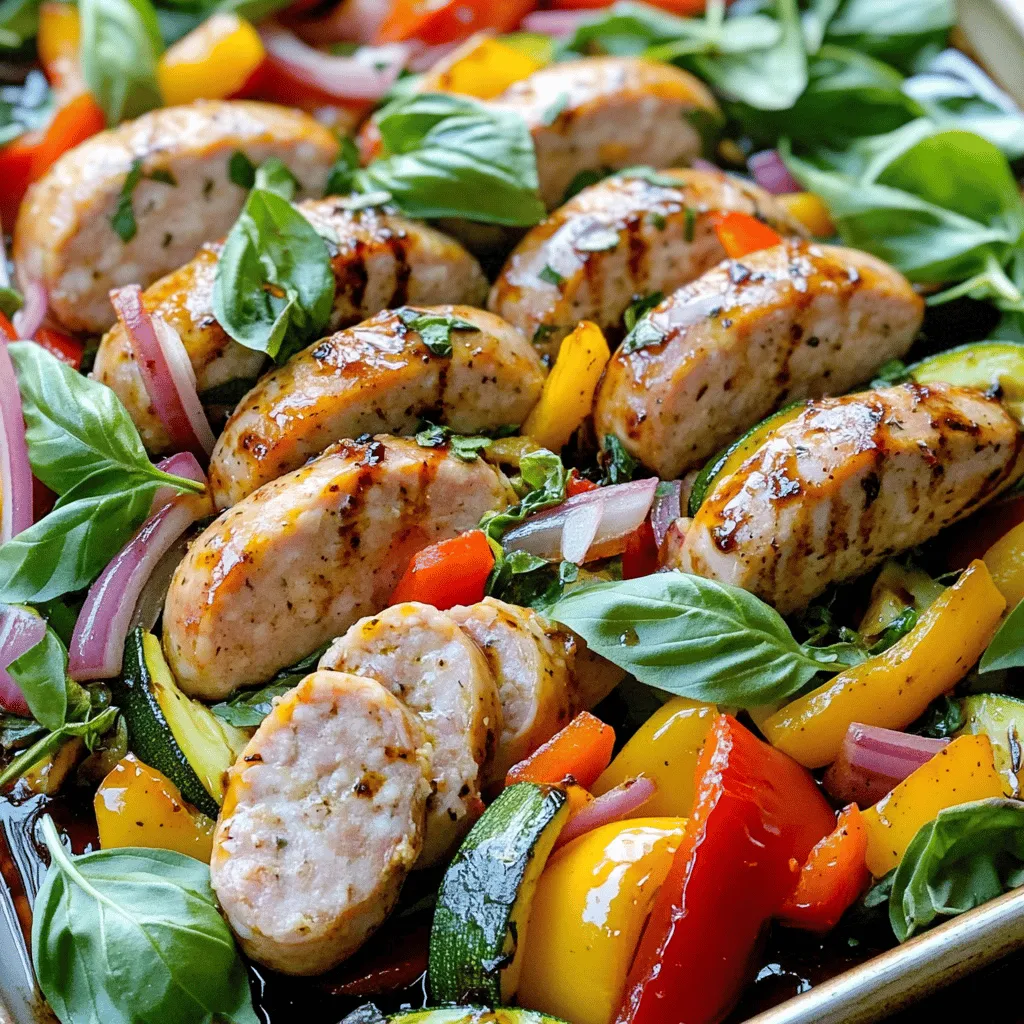
Feel free to switch up the veggies! Carrots, broccoli, or even sweet potatoes work great. Use what you have on hand or what’s in season. You can also swap the sausage types. Try spicy sausages for a kick or turkey sausages for a lighter option. This recipe is flexible to fit your taste!
Variations
Dietary Adjustments
For those who need gluten-free options, choose gluten-free sausages. You can find many brands that taste great. Check the labels to ensure they meet your needs.
If you want vegetarian substitutes, use plant-based sausages. They add flavor and texture without meat. You can also add extra veggies like mushrooms, eggplant, or carrots for more heartiness.
Spicing Things Up
If you like some heat, try using spicy sausages or add jalapeños. They bring a nice kick to the dish. Just slice them thin to mix well with the other ingredients.
You can also experiment with different dressings. Try adding a splash of lemon juice or a dash of hot sauce. This can give your meal a fresh twist.
Seasonal Ingredients
Using seasonal vegetables makes this dish even better. Fresh veggies taste great and have more nutrients. In spring, add asparagus or peas. In fall, try sweet potatoes or Brussels sprouts.
Adapting the recipe based on what’s available can help too. If you find a great deal on veggies, use those instead. Just keep the cooking times in mind for firmer or softer veggies.
These variations keep your dish exciting and fun every time you make it!
Storage Info
Storing Leftovers
To keep your leftovers fresh, store them in the fridge. Place the cooled dish in airtight containers. This prevents air from getting in and keeps flavors intact. Use glass or BPA-free plastic containers for safety. If you do this, your meal stays tasty for up to three days.
Reheating Tips
When you reheat, aim for even warmth. Use the oven at 350°F (175°C). This helps to keep the sausage and veggies crisp. Avoid using the microwave if you can. The microwave can make the dish soggy. If you must use it, do so in short bursts. Stir in between to heat evenly.
Freezing Considerations
You can freeze this dish for later. First, let it cool completely. Then, place it in freezer-safe bags or containers. Remove as much air as possible. This helps prevent freezer burn. It can last up to three months in the freezer. To eat, thaw it overnight in the fridge. Reheat in the oven for best results.
FAQs
Can I use other types of sausages?
Yes, you can use other types of sausages. Turkey, pork, or spicy sausage all work well. Each type adds a unique flavor. If you like heat, try spicy Italian sausage. For a leaner option, turkey sausage is great too. Feel free to mix and match!
What vegetables work best with this recipe?
You can use many vegetables based on your taste. Carrots, broccoli, or asparagus can add nice textures. I love using colorful bell peppers for sweetness. Zucchini is also a great choice for its tender bite. Choose veggies you enjoy most to make it your own!
How can I make this dish ahead of time?
To prep ahead, chop vegetables and slice sausages the night before. Store them in the fridge. You can also mix everything and keep it in a bowl. Just remember to add the spinach right before baking. This way, it stays fresh and bright!
This blog post covered a simple and tasty dish featuring Italian chicken sausages and fresh veggies. You learned how to prepare, mix, and roast these ingredients to perfection. We also shared tips for customization and storage. Remember, you can change the veggies and sausages to fit your taste. Always use fresh herbs when you can. This recipe is flexible and easy, making it perfect for anyone. Enjoy the cooking process and share your results!


![- 1 lb boneless, skinless chicken thighs, cut into bite-sized chunks - 2 tablespoons olive oil - 1 cup broccoli florets, washed and trimmed - 1 red bell pepper, sliced into thin strips - 1 cup snap peas, ends trimmed - 1 small carrot, julienned - 3 green onions, finely chopped - 2 cloves garlic, minced - 1 tablespoon fresh ginger, grated - 1/4 cup low-sodium soy sauce - 2 tablespoons honey - 1 tablespoon rice vinegar - 1 teaspoon sesame oil - Salt and freshly ground black pepper to taste - Toasted sesame seeds for garnish The chicken is the star here. I use boneless, skinless thighs for juiciness. They cook quickly and stay tender. For veggies, I choose bright broccoli, sweet bell pepper, crisp snap peas, and a touch of carrot for color. Fresh garlic and ginger add a zing. The sauce blends soy sauce, honey, rice vinegar, and sesame oil for a sweet and savory mix. - Other protein options: shrimp, beef, or tofu - Additional veggies: zucchini, mushrooms, or bell peppers - Garnishes and toppings: cilantro, green onions, or chili flakes You can swap chicken for shrimp, beef, or even tofu for a vegetarian twist. Feel free to add other veggies like zucchini or mushrooms. They all taste great! Top with fresh cilantro or chili flakes for extra flavor. This dish is fun to customize based on what you have at home. For more details, you can check the Full Recipe. To start, gather your teriyaki sauce ingredients. You need low-sodium soy sauce, honey, rice vinegar, sesame oil, garlic, and ginger. In a small bowl, mix these ingredients well. A whisk works great here. This sauce adds a sweet and savory taste to your dish. Next, heat olive oil in a large skillet or wok. Use medium-high heat for the best results. When the oil shimmers, add the chicken chunks. Sprinkle a pinch of salt and black pepper over it. Cook for about 5-7 minutes. Turn the chicken often until it is brown and cooked through. Remove the chicken and set it aside on a plate. In the same skillet, add your vegetables: broccoli, bell pepper, snap peas, and carrot. Stir them for 3-4 minutes. You want the veggies to stay bright and start to soften. This keeps them crunchy and full of flavor. Now, return the cooked chicken to the skillet. Pour the teriyaki sauce over everything. Toss gently to coat the chicken and veggies evenly. Cook for another 2-3 minutes. This allows the flavors to meld nicely. Finally, remove the skillet from the heat. Stir in finely chopped green onions. This adds a fresh taste. To serve, spoon the stir fry onto plates. Sprinkle toasted sesame seeds on top for a nice finish. You can serve it over jasmine rice or alongside quinoa. This makes a complete meal. Enjoy the vibrant colors and flavors! - Overcooking the chicken: Overcooked chicken turns dry and tough. Cook it just until it's no longer pink inside. This usually takes about 5-7 minutes on medium-high heat. - Vegetable texture issues: If you overcook the veggies, they lose their crispness. Stir fry them for about 3-4 minutes. They should be bright and tender but still crunchy. - Flavor tweaks: Want more heat? Add chili flakes or sriracha to your teriyaki sauce. Prefer a sweeter taste? Mix in more honey or brown sugar. Adjust the sauce to match your taste. - Alternative vegetables: You can swap out the veggies based on what you have. Try bell peppers, zucchini, or even bok choy. Mix and match for fun flavors and colors. - Sweetness adjustments: If the sauce is too sweet, add a splash of soy sauce. If it’s not sweet enough, add more honey. Taste as you go to get it just right. - Thickness options: To thicken your sauce, simmer it longer in the pan. For a thinner sauce, add a bit of water or broth. This helps you control the sauce for your liking. By following these tips, you'll create a teriyaki chicken stir fry that's both delicious and fun to make. If you're ready to dive in, check out the Full Recipe for all the details! {{image_4}} You can easily make this dish fit your diet. - Low-Carb Options: Swap the chicken for shrimp or tofu. Use cauliflower rice instead of white rice. This keeps the flavor but cuts carbs. - Vegetarian or Vegan Swaps: For a plant-based dish, use tofu or tempeh. You can also add more veggies like bell peppers or mushrooms. You can give your stir fry a twist. - Different Sauce Options: Try a hoisin sauce or sweet chili sauce for a different taste. You can even add peanut butter for a creamy texture. - Cultural Twists on Stir Fry: Add spices like curry powder for an Indian flavor. Or use a teriyaki sauce recipe from Japan. Each culture adds its unique flair. Using seasonal produce can enhance your dish. - Best Vegetables to Use Per Season: In spring, use asparagus and snap peas. In summer, add zucchini and bell peppers. Fall is great for carrots and squash. Winter brings hearty greens like kale. - Sustainable Sourcing Tips: Shop local farmers' markets. This supports local farms and gets you fresh ingredients. You can also look for organic labels to ensure quality. Explore these options to make your teriyaki chicken stir fry even more special! To store your teriyaki chicken stir fry, first let it cool down. Place it in an airtight container. This helps keep the flavors fresh. You can refrigerate it for up to three days. If you want to keep it longer, freezing is a good option. Use a freezer-safe container or bag. It can last up to three months in the freezer. When you're ready to eat your leftovers, reheating is easy. For the microwave, place the stir fry in a bowl. Cover it with a microwave-safe lid. Heat it for one to two minutes, stirring halfway. This ensures even heating. If you prefer a skillet, heat a small amount of oil over medium heat. Add the stir fry and stir until warm, about three to five minutes. In the fridge, your teriyaki chicken stir fry lasts about three days. Be sure to check for signs of spoilage before eating. If you see any mold or if it smells off, it's best to throw it away. When frozen, the stir fry can sit for up to three months. After that, the taste may not be as good. Always trust your senses when it comes to food safety. You can serve teriyaki chicken stir fry with rice or noodles. Here are some great options: - Jasmine rice: This fluffy rice pairs well with teriyaki sauce. - Brown rice: A healthier option with more fiber. - Egg noodles: These add a nice chew to your meal. - Quinoa: A protein-rich choice that adds texture. - Side salad: A fresh salad can balance the flavors. Try pairing your stir fry with steamed or sautéed vegetables. Broccoli, bok choy, and carrots work well. You can also serve it with a light soup for a complete meal. Yes, you can make teriyaki chicken stir fry in advance. Here are some tips: - Cook and cool: Prepare the dish fully, then cool it quickly. - Store properly: Place it in an airtight container in the fridge. - Reheat gently: When ready to eat, heat it on the stove or in the microwave. Meal prep makes busy nights easier. You can also chop veggies ahead of time. This saves time and lets you enjoy a fresh meal. Teriyaki chicken stir fry is tasty and nutritious. Here are the key facts: - Caloric content: One serving has about 350 calories. - Protein: It has around 30 grams of protein from chicken. - Carbohydrates: Expect about 30 grams, mostly from veggies and sauce. - Fat: It contains about 10 grams, mostly healthy fats from olive oil. This dish is rich in vitamins and minerals, thanks to the colorful veggies. Broccoli offers vitamin C, while carrots are high in beta-carotene. Enjoy this dish for a balanced meal! For the complete instructions and ingredient list, check out the [Full Recipe]. Teriyaki chicken stir fry is a simple dish to make at home. You learned key ingredients, how to prepare the sauce, and tips for cooking. Avoid common mistakes like overcooking chicken. Customize your stir fry with different veggies or proteins to suit your taste. Remember, fresh ingredients make a big difference. Whether you serve it fresh or store leftovers, this dish is delicious. Enjoy creating your own unique stir fry!](https://joymealplan.com/wp-content/uploads/2025/06/4a36c5e3-194c-4011-88f6-f3f1f5f34a05-768x768.webp)