Skip to content
  • About
  • Contact
  • Cookie Policy
  • Copyright Policy
  • Disclaimer
joymealplan
  • Home
  • Dinner
  • Appetizer
  • Desserts
  • Drinks
  • About
  • Contact
  • Privacy Policy
joymealplan
Home / Appetizer

Appetizer

To make tasty buffalo cauliflower bites, gather these ingredients: - 1 large head of cauliflower, cut into bite-sized florets - 1 cup all-purpose flour - 1 cup water - 1 teaspoon garlic powder - 1 teaspoon onion powder - 1 teaspoon smoked paprika - 1 teaspoon salt - 1/2 teaspoon freshly ground black pepper - 1 cup buffalo sauce (store-bought or homemade) - 2 tablespoons unsalted butter, melted - Fresh celery sticks and ranch dressing for serving (optional) You can add your own twist with these optional ingredients: - Extra spices like cayenne pepper for heat - Nutritional yeast for a cheesy taste - Fresh herbs like parsley for garnish - Different sauces like BBQ or teriyaki for a unique flavor Choosing the right buffalo sauce can elevate your dish. Here are some trusted brands: - Frank’s RedHot Original Cayenne Pepper Sauce - Crystal Hot Sauce - Tabasco Buffalo Sauce - Louisiana Hot Sauce These brands offer great flavor and heat, perfect for your bites. {{ingredient_image_2}} First, you need to preheat the oven to 450°F (230°C). This high heat helps the bites get crispy. While waiting, line a baking sheet with parchment paper. This makes cleanup easy and keeps the bites from sticking. In a large bowl, mix together the flour, water, garlic powder, onion powder, smoked paprika, salt, and black pepper. Whisk these ingredients until the batter is smooth. You want a consistency that coats the cauliflower well. Next, take each cauliflower floret and dip it into the batter. Make sure to cover it fully. Let any extra batter drip off. Place the coated florets in a single layer on the lined baking sheet. Space them out to allow for even cooking. Now, put the baking sheet in the oven. Bake the cauliflower bites for about 20 minutes. Look for them to turn golden brown and feel crispy to the touch. While the cauliflower bakes, make the buffalo sauce. In another bowl, combine the buffalo sauce and melted butter. Mix these together until they blend well. This adds flavor and richness to your bites. After 20 minutes, take the baking sheet out of the oven. Drizzle the buffalo sauce over the cauliflower. Use a spatula or tongs to toss them gently, ensuring each bite is coated. Return the baking sheet to the oven for another 10-15 minutes. This helps the sauce thicken and stick, making them even tastier. To get the best crispy texture, use a hot oven. Preheat your oven to 450°F (230°C). This high heat helps to create a crunchy surface on the cauliflower bites. Make sure to space the florets apart on the baking sheet. This allows hot air to circulate around each piece. For extra crunch, try using a light coating of oil on the florets before baking. Soggy bites happen when moisture builds up. To prevent this, make sure your batter is not too thick. A smooth and thin batter coats the florets better. After dipping, let the excess batter drip off before you place them on the baking sheet. Baking them in a single layer is also key. Avoid crowding the baking sheet so the heat can reach all sides of the cauliflower. To amp up the flavor, add different spices to your batter. Consider using cayenne pepper for a kick or Italian herbs for a twist. Mixing in some nutritional yeast can also give a cheesy taste without dairy. Tossing the baked bites in the buffalo sauce right after they come out of the oven will help the sauce stick better and enhance the overall flavor. Lastly, serve with fresh celery sticks and ranch dressing for a refreshing contrast. Pro Tips Choose the Right Cauliflower: Select a fresh, firm head of cauliflower with tightly packed florets for the best texture and flavor. Dipping Technique: Ensure each floret is thoroughly coated with batter for a crispy exterior. Shake off excess batter to prevent sogginess. Buffalo Sauce Variation: For a milder flavor, mix in a bit of honey or maple syrup with the buffalo sauce to balance the heat. Serving Suggestions: Pair with a variety of dips like blue cheese or yogurt sauce for an extra layer of flavor and to cater to different taste preferences. {{image_4}} You can make buffalo cauliflower bites gluten-free easily. Instead of all-purpose flour, use gluten-free flour. Rice flour or almond flour work well. Mix it with water, garlic powder, onion powder, smoked paprika, salt, and black pepper. The taste remains great, and you can enjoy crispy bites without gluten. If you love heat, add more spice! Mix in cayenne pepper or hot sauce into your batter. Adjust the amount to match your spice level. This change will make your bites fiery and exciting. You can also use a hotter buffalo sauce for an extra kick. Buffalo sauce is classic, but you can switch it up. Try BBQ sauce for a sweet twist. Toss the bites in sriracha for a zingy flavor. You can even use teriyaki sauce for a unique Asian flair. Experimenting with different sauces and seasonings can create your own favorite version. To store your leftover buffalo cauliflower bites, let them cool first. Place them in an airtight container. They will stay fresh for up to three days in the fridge. If you want to keep them longer, consider freezing them. For the best taste, reheat the cauliflower bites in the oven. Preheat it to 350°F (175°C). Spread the bites on a baking sheet and heat for about 10-15 minutes. This way, they stay crispy. You can also use an air fryer at 350°F (175°C) for 5-7 minutes. Both methods keep the flavors strong. To freeze your buffalo cauliflower bites, make sure they are cool. Place them in a single layer on a baking sheet and freeze for about an hour. Once frozen, transfer them to a freezer bag or container. They can last up to three months. When you’re ready to eat, bake them straight from the freezer. Yes, you can prepare buffalo cauliflower bites ahead of time. You can make the batter and coat the cauliflower. Store them in the fridge for up to 24 hours. Bake them when you are ready to serve. This way, you'll have a tasty snack ready in no time. To make buffalo cauliflower bites vegan, simply use a plant-based butter instead of unsalted butter. You can also use a gluten-free flour if needed. The rest of the recipe stays the same. Enjoy the same crispy goodness without animal products. You can serve buffalo cauliflower bites with fresh celery sticks. They add a nice crunch and balance the spice. Ranch dressing or blue cheese dressing also pairs well. These dips help cool down the heat and enhance the flavor. Buffalo cauliflower bites have a medium level of spice. The buffalo sauce you choose can change the heat. If you want less spice, pick a milder sauce or mix it with a little ketchup. For more heat, use a spicier sauce or add cayenne pepper to the batter. We covered how to make tasty buffalo cauliflower bites. You learned about the ingredients, cooking steps, and tips for crispiness. I shared variations to suit different diets and ways to store leftovers. Now you have all you need to enjoy this dish. Experiment with flavors and find your favorite twist. Whether you make them spicy or gluten-free, these bites are a hit. Enjoy your cooking!

Buffalo Cauliflower Bites Flavorful and Crispy Snack

Read More Buffalo Cauliflower Bites Flavorful and Crispy SnackContinue

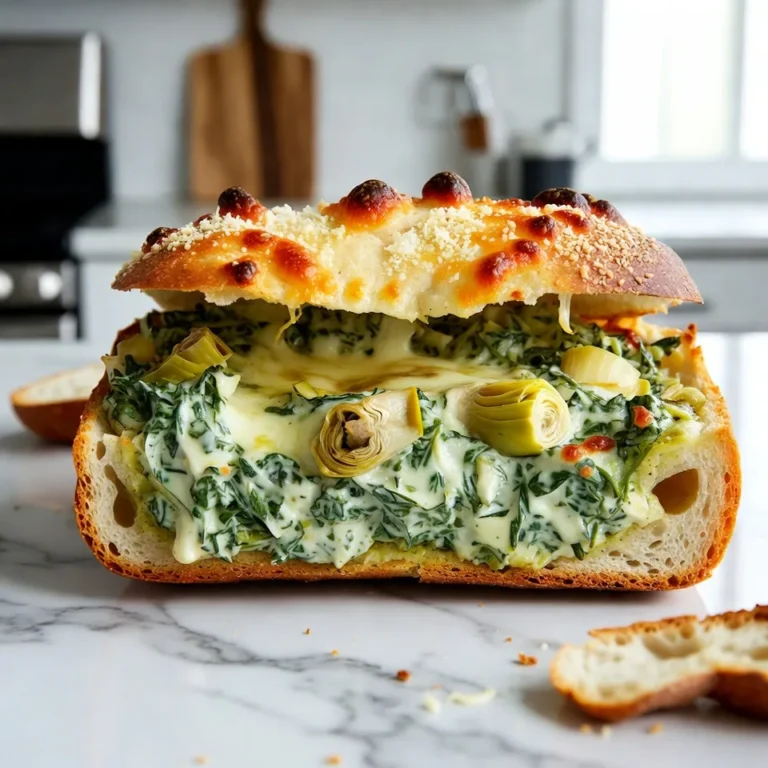
- 1 large loaf of crusty bread (sourdough or ciabatta) - 1 cup fresh spinach, finely chopped - 1 cup canned artichoke hearts, drained and coarsely chopped - 1 cup cream cheese, softened to room temperature - ½ cup sour cream - ½ cup mayonnaise - 1 cup shredded mozzarella cheese - 1 teaspoon garlic powder - ½ teaspoon onion powder - Salt and black pepper, to taste - 2 tablespoons extra virgin olive oil - ¼ cup grated Parmesan cheese To make this tasty dish, you need a few key ingredients. Start with a loaf of crusty bread. Sourdough or ciabatta works great. You want a bread that holds its shape when stuffed. Then, gather fresh spinach and canned artichoke hearts. The spinach adds a nice color and flavor. The artichokes bring a unique taste and texture. Next, for the creamy base, you will use cream cheese, sour cream, and mayonnaise. These ingredients make the dip rich and smooth. You also need some seasonings and cheese. Garlic powder and onion powder add depth. Salt and black pepper enhance all the flavors. Lastly, mozzarella and Parmesan cheese create a gooey, cheesy filling that everyone loves. With these ingredients ready, you can create a delightful snack that is perfect for any occasion. {{ingredient_image_2}} 1. Preheat the Oven: Start by setting your oven to 375°F (190°C). This helps the bread cook evenly and get that nice golden crust. 2. Prepare the Bread: Take your large loaf of crusty bread, like sourdough or ciabatta. Carefully cut off the top to create a lid. Set the lid aside. Hollow out the inside, leaving about an inch of bread intact. Save the removed bread for dipping later. 3. Make the Creamy Filling: In a big mixing bowl, combine 1 cup of softened cream cheese, ½ cup of sour cream, and ½ cup of mayonnaise. Mix them well until smooth and creamy. 1. Add Flavor and Texture: To your creamy mix, add 1 cup of finely chopped fresh spinach, 1 cup of coarsely chopped canned artichoke hearts, and 1 cup of shredded mozzarella cheese. Then, sprinkle in 1 teaspoon of garlic powder, ½ teaspoon of onion powder, and some salt and black pepper. Stir until everything is blended. 2. Stuff the Bread: Spoon the spinach and artichoke mix into the hollowed loaf. Pack it lightly to fit all the filling. Use a spatula to level it off at the top. 3. Seal and Prepare for Baking: Place the bread lid back on top of the stuffed loaf. Brush the outside lightly with 2 tablespoons of extra virgin olive oil. Sprinkle ¼ cup of grated Parmesan cheese on top for a tasty finish. 1. Wrap and Bake: Wrap the stuffed bread in aluminum foil and place it on a baking sheet. Bake it in your preheated oven for 25-30 minutes. 2. Brown the Top: In the last 5 minutes, carefully unwrap the foil. This allows the top to brown and get crispy. Keep an eye on it to stop any burning! 3. Serve: After baking, let the bread cool for a few minutes. Slice it into portions and serve warm. Don’t forget the reserved bread pieces for dipping in that creamy goodness! To keep the bread from getting soggy, pay attention to moisture. First, use a thick bread like sourdough or ciabatta. These types hold up well to the creamy filling. Second, avoid overfilling the bread. Too much dip can seep into the bread and make it soggy. For the best results, bake at 375°F (190°C). This temperature ensures the bread gets crispy while the filling warms through. If you want a crispy crust, add a few extra minutes at the end without the foil. This step gives a nice brown top. Pair your stuffed bread with crunchy veggies or chips. Carrot sticks and cucumber slices add a fresh touch. You can also serve it with a light salad for a balanced meal. For a gathering, make the dish look great. Slice the stuffed bread into thick pieces. Arrange it on a wooden board. Add a sprinkle of fresh parsley or basil for color. This not only makes it pretty but also enhances the flavor! Pro Tips Choose the Right Bread: Opt for a sturdy loaf like sourdough or ciabatta to hold the creamy filling without getting soggy. Customize Your Fillings: Feel free to add other ingredients such as cooked bacon, sun-dried tomatoes, or different cheese varieties for extra flavor. Serve Fresh: For the best experience, serve the stuffed bread warm and fresh out of the oven to enjoy the gooey cheese and flavorful dip. Make Ahead: You can prepare the filling in advance and stuff the bread right before baking to save time on busy days. {{image_4}} You can change the flavors in your spinach artichoke dip stuffed bread. Here are some fun swaps: - Cheeses: Instead of mozzarella, try cheddar or gouda. They add a rich taste. - Spreads: Swap mayonnaise for Greek yogurt for a lighter feel. - Veggies: Add chopped bell peppers or sun-dried tomatoes for extra color and flavor. - Herbs: Fresh herbs like basil or dill can brighten the dish. You can make this dish fit different diets easily. Here’s how: - Vegetarian: This recipe is already vegetarian. Just ensure all your products are plant-based. - Gluten-Free: Use gluten-free bread. Check labels for safe ingredients. - Lighter Options: Use low-fat cream cheese and mayonnaise. This cuts calories without losing flavor. Feel free to mix and match these ideas. You can create a unique version that fits your taste and needs! To keep your spinach artichoke dip stuffed bread fresh, follow these tips: - Refrigerate: Place any leftover stuffed bread in an airtight container. It will stay good for about 3-4 days in the fridge. - Freeze: If you want to save it longer, wrap the stuffed bread tightly in plastic wrap, then foil. It can freeze for up to 3 months. Just remember to label it with the date. Avoid letting it sit out at room temperature for too long to prevent spoilage. To enjoy your leftovers, reheating them correctly is key: - Oven Method: Preheat your oven to 350°F (175°C). Wrap the stuffed bread in foil and heat for about 15-20 minutes. This keeps the bread crusty and the filling warm. - Microwave Method: If you're in a hurry, place a slice on a microwave-safe plate. Heat for about 30 seconds to 1 minute. This method is quick but may make the bread a bit soggy. Choose the method that fits your time. Enjoying this creamy, cheesy delight again is always a treat! Yes, you can use frozen spinach. Just thaw it first and drain the excess water. This prevents a soggy dip. Frozen spinach works well, but fresh gives a better flavor. The stuffed bread lasts about 3 days in the fridge. Make sure to wrap it tightly to keep it fresh. If you want to enjoy it longer, consider freezing it. Yes, you can make a vegan version. Use vegan cream cheese, vegan sour cream, and swap regular cheese for a dairy-free option. This way, you can still enjoy the rich flavors. Absolutely! You can mix the dip a day in advance. Just store it in the fridge. When you're ready, stuff the bread and bake it fresh for serving. This blog post covered how to make a tasty stuffed bread with spinach and artichokes. You learned about key ingredients, step-by-step prep, tips for perfecting the dish, and storage advice. Remember, using fresh ingredients makes a big difference. You can even mix in different cheeses or vegetables. This recipe is fun for gatherings or cozy nights at home. Enjoy your cooking and the smiles it brings to your table. Your stuffed bread will be a hit!

Spinach Artichoke Dip Stuffed Bread Delightful Snack

Read More Spinach Artichoke Dip Stuffed Bread Delightful SnackContinue

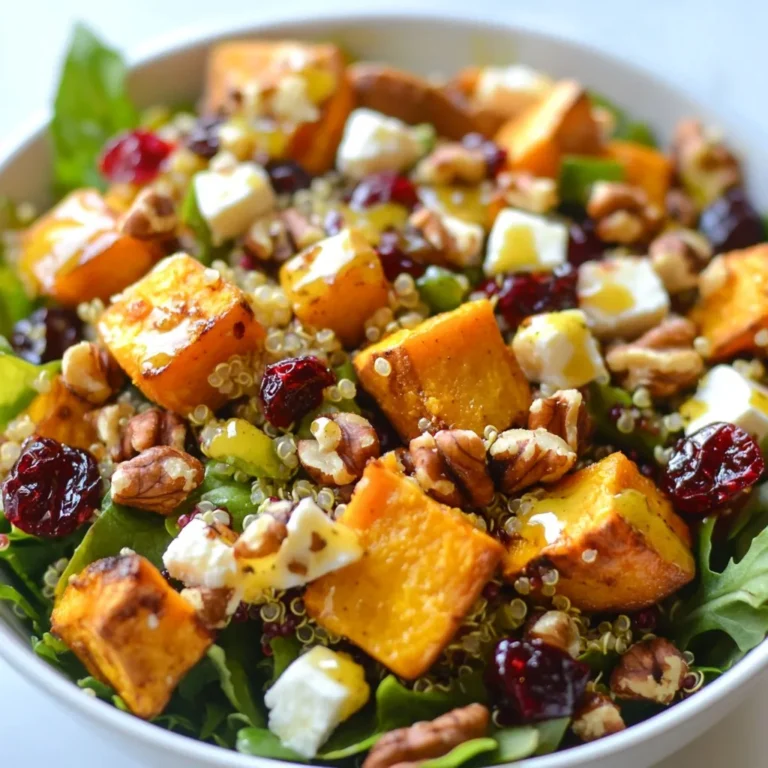
- 2 cups mixed greens (spinach, arugula, or kale) - 1 cup roasted sweet potatoes, cubed - 1/2 cup cooked quinoa - 1/2 cup crumbled feta cheese - 1/2 cup toasted walnuts, coarsely chopped - 1/2 cup dried cranberries - 1/4 cup red onion, finely sliced - 1/4 cup extra virgin olive oil - 2 tablespoons apple cider vinegar - 2 tablespoons cranberry sauce (homemade is best) - 1 tablespoon honey or maple syrup - Salt and freshly ground black pepper to taste Add extra flavors with these options: - Fresh herbs like parsley or cilantro - Sliced avocados for creaminess - Pomegranate seeds for a burst of color - Grilled chicken or chickpeas for protein - Spicy pepper flakes for heat Fresh herbs offer bright, bold flavors. Use them to enhance dishes. They work well in salads and dressings. Dried herbs are more concentrated. They give depth to cooked meals. If using dried herbs, use less than fresh. Always adjust based on your taste. For this salad, fresh parsley or cilantro adds a lovely touch. Try both to see what you like best! {{ingredient_image_2}} First, preheat your oven to 400°F (200°C). Grab a mixing bowl. Toss the cubed sweet potatoes with olive oil, salt, and black pepper. Make sure they are well coated. Spread them on a baking sheet lined with parchment paper. Roast them for 25 to 30 minutes. Stir halfway through cooking. They should turn golden brown and be tender when pierced with a fork. Once done, let them cool slightly. Next, rinse the quinoa under cold water. Use a fine-mesh sieve to remove bitterness. Cook the quinoa according to the package instructions. Usually, you will use a ratio of 1 part quinoa to 2 parts water. Bring the water to a boil, then reduce to a simmer. Cover and cook for about 15 minutes. The water should be absorbed, and the quinoa should look fluffy. Remove it from heat and let it cool with the lid on for a few minutes. Fluff it with a fork before using. In a small bowl, mix the extra virgin olive oil, apple cider vinegar, cranberry sauce, and honey or maple syrup. Whisk the mixture until smooth and well blended. Taste it and adjust the sweetness or salt if needed. You want a balanced flavor that complements the salad. Now it’s time to put the salad together. In a large salad bowl, layer the mixed greens at the bottom. Then add the roasted sweet potatoes, cooked quinoa, crumbled feta, toasted walnuts, dried cranberries, and sliced red onion. Each layer adds unique flavors and textures. Drizzle your homemade dressing over the salad. Use salad tongs or two large spoons to gently toss everything together. Ensure that all the ingredients are mixed well and coated in the dressing. This step is key to a delicious salad. For a beautiful presentation, share the salad into individual plates or bowls. You can serve it on a large, shallow dish. Garnish with extra toasted walnuts and dried cranberries on top. Adding fresh herbs like parsley or cilantro gives the dish a vibrant look. Enjoy this fresh and flavorful salad! To roast sweet potatoes well, start with the right cut. Cut them into even cubes. This helps them cook evenly. Toss the cubes in olive oil, salt, and pepper. Spread them in a single layer on a baking sheet. Bake at 400°F (200°C) for 25-30 minutes. Stir them halfway to get an even golden color. They are done when they are tender and slightly caramelized. Cooking quinoa is easy if you rinse it first. This removes any bitter taste. Use a 1:2 ratio of quinoa to water. Bring water to a boil, then lower the heat to simmer. Cover the pot and cook for about 15 minutes. When done, let it sit for a few minutes with the lid on. Fluff it gently with a fork to keep it light and airy. Assembling the salad in layers makes it look nice. Start with the mixed greens as your base. Then add roasted sweet potatoes and quinoa. Sprinkle crumbled feta and walnuts on top. Add dried cranberries and red onion for a pop of flavor. This order helps keep the greens fresh and crisp. For a beautiful presentation, use a large, shallow dish. This allows each layer to show. Garnish the top with extra walnuts and cranberries. A sprinkle of fresh herbs like parsley adds color. Aim for a vibrant look with a mix of textures and colors. This makes your salad not only tasty but also eye-catching. Pro Tips Choosing Greens: Opt for a mix of greens to enhance the flavor and texture of your salad. Spinach adds a tender touch, while kale offers a hearty crunch. Sweet Potato Secrets: For extra sweetness, try using garnet yams instead of regular sweet potatoes, and season them with a pinch of cinnamon before roasting. Perfect Quinoa: For added flavor, cook your quinoa in vegetable broth instead of water. This will elevate the taste profile of your salad significantly. Dressing Variations: Experiment with different vinegars or add a splash of orange juice to the dressing for a citrusy twist that complements the cranberries beautifully. {{image_4}} You can change the greens in the salad. Spinach adds a soft, mild taste. Arugula brings a peppery kick. Kale gives a hearty crunch. If you want more protein, try adding grilled chicken or chickpeas. These options boost flavor and nutrition. Use seasonal veggies for fresh flavors. In fall, add roasted Brussels sprouts or butternut squash. In spring, try fresh snap peas or radishes. Carrots add sweetness all year. Mixing in seasonal vegetables makes your salad vibrant and exciting. You can switch the dressing for new tastes. A lemon vinaigrette brightens the dish. A creamy tahini dressing adds richness. For a spicy twist, mix in some sriracha. Each dressing can change the salad's feel, so experiment and find your favorite! To keep your Cranberry-Glazed Harvest Veggie Salad fresh, store it in the fridge. Place any leftovers in an airtight container. This way, the salad stays crisp and tasty. Aim to eat it within three days for the best flavor and texture. I recommend using glass or high-quality plastic containers. These containers seal tightly and keep moisture out. If you have a salad with dressing, keep the dressing separate until you're ready to eat. This helps maintain the crunch of the greens. If you want to refresh the salad, add a little olive oil and vinegar before serving. For the sweet potatoes or quinoa, you can reheat them in the microwave. Heat in short bursts to avoid overcooking. Enjoy your salad with a burst of flavor, just like the first time! Yes, you can make this salad ahead of time. Just keep the dressing separate until serving. This helps keep the greens fresh and crisp. You can prepare the roasted sweet potatoes and quinoa a day before. Store them in the fridge. Combine everything when you’re ready to eat. If you need a substitute for cranberries, try raisins or chopped apples. Both add sweetness and texture. You can also use other dried fruits like cherries or apricots. They will give the salad a unique twist. Experiment with what you have on hand. Yes, this salad is gluten-free! It uses quinoa, which is a gluten-free grain. All the other ingredients, like veggies and nuts, are also gluten-free. This makes it a great option for those with gluten sensitivities. Absolutely! You can use almonds, pecans, or even sunflower seeds. Each nut adds a different flavor and crunch. Choose what you love best or what you have in your pantry. Mixing nuts can also create a great taste. Cooked quinoa can last about 3 to 5 days in the fridge. Be sure to store it in an airtight container. If you notice any off smells or changes in texture, it’s best to toss it. Always check before you use it again! Cranberry-glazed harvest veggie salad is a hearty and tasty dish. We covered the main and optional ingredients, each with their role in flavor. I shared steps for roasting sweet potatoes, cooking quinoa, and making a great dressing. You learned tips for perfecting each step and ideas for variations to suit your taste. Proper storage helps your salad last longer. With these insights, you can make and enjoy this salad all season long. Embrace your creativity, and share this delicious salad with others!

Cranberry-Glazed Harvest Veggie Salad Fresh and Flavorful

Read More Cranberry-Glazed Harvest Veggie Salad Fresh and FlavorfulContinue

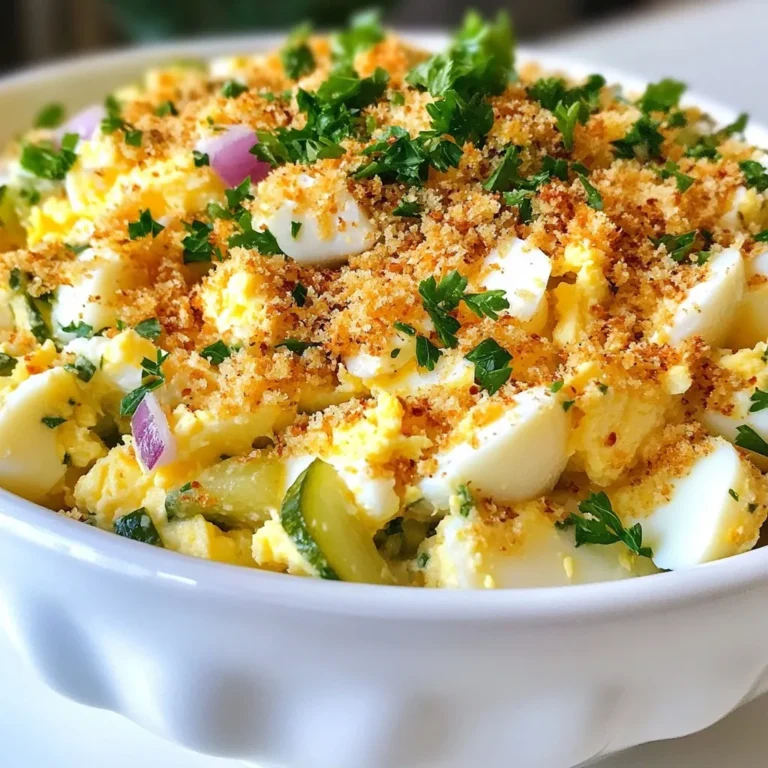
To make a tasty crispy egg salad, you need some key ingredients. Here’s the list: - 6 large eggs - 1/4 cup mayonnaise - 1 tablespoon Dijon mustard - 1 tablespoon fresh lemon juice - 1/4 teaspoon garlic powder - Sea salt and freshly cracked black pepper, to taste - 1/2 cup celery, finely chopped - 1/4 cup red onion, finely chopped - 1/4 cup dill pickles, finely chopped - 1/2 cup panko breadcrumbs - 2 tablespoons extra virgin olive oil - Fresh parsley, finely chopped (for garnish) These ingredients bring a mix of flavors and textures. The eggs give protein and creaminess, while the veggies add crunch. You can change the recipe to suit your taste. Here are some optional ingredients you might like: - Avocado for creaminess - Sriracha for a spicy kick - Chopped herbs like dill or chives - Mustard seeds for extra crunch Feel free to mix and match. Your egg salad can be unique! Knowing the nutritional values helps you make smart choices. Here’s a quick look at some key ingredients: - Eggs: High in protein and good fats. They help keep you full. - Mayonnaise: Adds creaminess. Choose low-fat options if you want fewer calories. - Celery: Low in calories, high in fiber. It adds crunch! - Panko Breadcrumbs: These make the topping crispy. They are lighter than regular breadcrumbs. This dish balances taste and nutrition. You can enjoy it without worry! {{ingredient_image_2}} To start, take six large eggs and place them in a saucepan. Cover them with cold water, about an inch over the eggs. Heat the pan over medium until the water boils. Once it boils, cover the pan and remove it from the heat. Let the eggs sit for 12 minutes. This method gives you firm, hard-boiled eggs without the green ring. While the eggs boil, let's make the dressing. Take a medium bowl and add 1/4 cup mayonnaise. Then, add 1 tablespoon of Dijon mustard, 1 tablespoon of fresh lemon juice, and 1/4 teaspoon of garlic powder. Sprinkle in some sea salt and cracked black pepper to taste. Whisk everything together until it looks smooth and creamy. This dressing will add flavor to your egg salad. Once the eggs are done, cool them in an ice bath for about 5 minutes. This helps stop the cooking. Next, peel the eggs and chop them into small pieces. In a large bowl, combine the chopped eggs, 1/2 cup finely chopped celery, 1/4 cup finely chopped red onion, and 1/4 cup finely chopped dill pickles. Pour the creamy dressing over these ingredients. Gently fold everything together until it’s well mixed. Now, let's make the crispy topping. Heat a skillet over medium heat and add 2 tablespoons of extra virgin olive oil. When the oil is warm, add 1/2 cup of panko breadcrumbs. Stir them constantly for about 3-4 minutes. You want them to turn a nice golden brown and become crispy. Remove them from heat and let them cool a bit. This crunchy layer will add texture to your dish. To serve, spoon the egg salad into bowls or on a platter. Generously sprinkle the crispy panko breadcrumbs on top. For a pop of color, add some finely chopped fresh parsley as a garnish. You can also serve this salad in avocado halves or on a bed of mixed greens for a fun twist. Enjoy your crispy egg salad! To get that perfect crunch, use panko breadcrumbs. Panko is lighter and airier than regular breadcrumbs. Here’s how to make it work: - Heat the oil: Warm your skillet over medium heat. - Toast the panko: Add the panko breadcrumbs to the oil. Stir them often until they turn golden brown. This takes about 3-4 minutes. - Don’t rush: Keep an eye on them. They can burn quickly if you walk away. Adding the crispy panko right before serving makes a big difference. It stays crunchy longer this way! Making egg salad seems easy, but small errors can change everything. Here are a few mistakes to avoid: - Overcooking the eggs: Boil them for too long, and the yolks turn green. Aim for 12 minutes. - Not cooling the eggs: Skipping the ice bath can make peeling hard. Always cool them first! - Too much mayo: This can drown the flavors. Use just enough to bind the salad. By avoiding these errors, you will create a better egg salad. Proper storage keeps your egg salad tasty and safe. Follow these tips: - Use airtight containers: This prevents air from getting in and keeps the salad fresh. - Refrigerate promptly: After making the salad, store it in the fridge right away. - Eat within three days: Egg salad tastes best when fresh. Aim to finish it in three days for quality. By following these tips, your crispy egg salad will stay delicious and enjoyable! Pro Tips Perfectly Boiled Eggs: To ensure your eggs are perfectly boiled, start with eggs that are a few days old. Fresh eggs are harder to peel after boiling. Customize Your Dressing: Feel free to add your favorite herbs or spices to the dressing for a unique flavor twist. Fresh dill or chives work exceptionally well! For Extra Crunch: Mix in some chopped nuts like walnuts or almonds for an unexpected crunch that complements the creamy dressing. Serving Suggestions: Serve the egg salad on toasted bread or in lettuce wraps for a low-carb option. Both add a delightful texture to the dish. {{image_4}} The classic crispy egg salad is simple. It uses eggs, mayo, and a few crunchy bits. The modern twist adds fresh flavors and textures. You can include herbs, spices, or even some zest. This keeps it fresh and exciting. For a classic dish, stick to celery, onion, and pickles. For a modern take, try adding fresh dill or chives. They brighten up the flavors and add color. Want more protein? You can add chicken, tuna, or bacon. Each choice brings a different taste. For chicken, use cooked, shredded pieces. This makes the salad hearty. Tuna adds a nice ocean flavor. Just drain it well before mixing. Bacon gives a salty crunch. Cook it until crispy, then chop it up. These additions make your egg salad even more satisfying. If you prefer a vegan option, swap the eggs for chickpeas. Mash them for a similar texture. Use vegan mayo to keep it creamy. Add chopped veggies like celery and onion for crunch. You can also mix in avocado for richness. Season with lemon juice and herbs to enhance the flavor. This way, you get a delicious, plant-based egg salad that everyone can enjoy. You can serve crispy egg salad in fun ways. Try using avocado halves as bowls. It adds creaminess and a touch of color. You can also scoop the salad into lettuce leaves. This gives a fresh crunch and is low in carbs. For a fancy option, use small pastry cups. The crispy egg salad fits perfectly in these little bites. Crispy egg salad pairs well with many sides. A simple garden salad adds freshness. You can also serve it with crunchy vegetable sticks like carrots or celery. They add a nice contrast to the creamy salad. For something warm, serve it with a cup of tomato soup. The flavors mix nicely. Choosing the right bread can enhance your crispy egg salad. Soft, fresh bread works well. Use whole grain for a healthy touch. You can also pick sourdough for a tangy flavor. Toasted bread adds a delightful crunch. For a lighter option, try serving it on crackers. They offer a satisfying crunch while keeping the focus on the salad. To boil eggs perfectly, start with cold water. Place your eggs in a pot and cover them with water. Bring the water to a gentle boil over medium heat. Once boiling, cover the pot and turn off the heat. Let the eggs sit for 12 minutes. This method helps prevent cracks and keeps the yolks bright. You can prepare the egg salad a day in advance. Boil and chop the eggs, then mix in all the other ingredients. Store it in an airtight container in the fridge. Wait to add the panko breadcrumbs until just before serving. This keeps them crispy. To find crispy egg salad at restaurants, try searching online. Look for local diners or cafes that focus on fresh ingredients. You can also ask for recommendations on social media or food forums. Many places offer unique spins on classic dishes, so explore menus. I do not recommend freezing crispy egg salad. The texture changes when frozen and thawed. The creamy dressing can separate, and the eggs may become rubbery. If you have leftovers, store them in the fridge and eat them within three days for the best flavor. In this blog post, we covered the essential and optional ingredients for a crispy egg salad. I shared easy steps to boil eggs, prepare a creamy dressing, and add a crispy topping. We also discussed tips to avoid common mistakes and keep the salad fresh. For those wanting variety, I presented classic, modern, and plant-based options. Crispy egg salad is versatile and tasty. Try these tips and enjoy your meal!

Crispy Egg Salad Simple and Flavorful Delight

Read More Crispy Egg Salad Simple and Flavorful DelightContinue

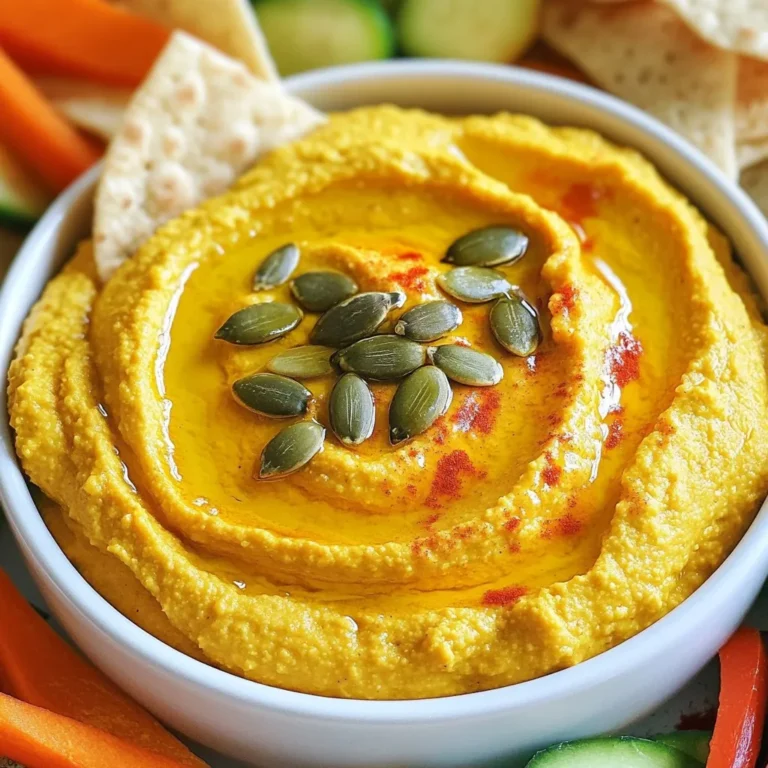
- 1 cup canned pumpkin puree - 1 (15 oz) can of chickpeas, drained and rinsed - 2 tablespoons tahini - 2 tablespoons olive oil - 2 tablespoons lemon juice - 1 clove garlic, minced - 1 teaspoon ground cumin - 1/2 teaspoon smoked paprika - Sea salt and black pepper to taste - Water, as needed - Optional garnishes: pumpkin seeds or paprika To make creamy pumpkin hummus, gather these ingredients first. The canned pumpkin puree gives the dip its rich color and flavor. Use pure pumpkin, not pie filling. Chickpeas add protein and creaminess. Tahini adds a nutty taste and smooth texture. Extra virgin olive oil enhances the richness. Fresh lemon juice adds brightness. Minced garlic brings a bold kick. Ground cumin and smoked paprika provide depth and warmth. Adjust the sea salt and black pepper to your taste. If the hummus is too thick, water helps achieve the desired consistency. You can also add optional garnishes for a lovely finishing touch. {{ingredient_image_2}} 1. Adding ingredients to the food processor Start by placing the pumpkin puree, chickpeas, tahini, olive oil, lemon juice, minced garlic, ground cumin, and smoked paprika into the food processor. Make sure all the ingredients fit comfortably. 2. Blending to a smooth consistency Secure the lid on the food processor. Blend the mixture on high until it becomes completely smooth. You may need to pause and scrape down the sides to ensure everything mixes well. 3. Adjusting thickness with water If the hummus is too thick, add water slowly. Use one tablespoon at a time. Blend again after each addition until you reach a creamy and spreadable texture. 4. Seasoning and adjusting flavors Taste your hummus and add sea salt and freshly cracked black pepper as needed. Blend again to mix in the seasonings. This step is crucial for achieving the perfect flavor. 5. Transferring to a serving bowl Once you are satisfied with the taste and texture, carefully transfer the creamy pumpkin hummus into a decorative serving bowl. Take your time to avoid spills. 6. Finishing touches and presentation Drizzle a little extra virgin olive oil over the top for added richness. If you like, sprinkle pumpkin seeds or a dash of smoked paprika for extra color and crunch. This makes the hummus look appealing and inviting. These steps will guide you in making a delicious and creamy pumpkin hummus that is perfect for any gathering. - Scraping sides during blending: This step is key. It helps mix all the ingredients evenly. If you skip this, you might get lumps. Pause the blender and use a spatula to scrape down the sides. - Adjusting consistency for preference: Hummus can be thick or smooth. If you want it creamier, add water slowly. Start with one tablespoon, then blend. Keep adding until it’s just right for you. - Flavor balancing tips: Taste as you go. You might want more salt or lemon juice. This will make the hummus pop! Remember, fresh ingredients always boost flavor. - Using fresh ingredients for best results: Fresh garlic and lemon juice make a big difference. They add brightness. Canned pumpkin is fine, but check it’s pure pumpkin, not pie filling. - Ideal dippers for pumpkin hummus: Use crispy pita chips for crunch. Fresh veggies like carrots, celery, and bell peppers add color and flavor. Warm crusty bread is also a great choice. - Creative serving ideas for gatherings: Arrange dippers around the hummus. This not only looks nice but invites people to dig in. You can also serve it in small cups for individual portions. - Pairing suggestions with drinks: This hummus pairs well with a light white wine like Sauvignon Blanc. For non-alcoholic options, try sparkling water with lemon. Pro Tips Choosing the Right Pumpkin: Opt for pure pumpkin puree instead of pumpkin pie filling to ensure your hummus isn't overly sweet. Adjusting Texture: If your hummus is too thick, gradually add water until you reach your desired creaminess; this ensures a smooth finish. Flavor Enhancements: Feel free to add a pinch of cinnamon or nutmeg for an extra layer of warmth and spice that complements the pumpkin. Serving Suggestions: Pair this hummus with a variety of dippers like sliced apples or pear for a sweet contrast to the savory flavors. {{image_4}} You can make creamy pumpkin hummus even more exciting! Here are some simple ideas: - Adding spices: Sprinkle in cinnamon or nutmeg for warmth. These spices pair well with pumpkin and add a cozy flavor. Try adding a pinch to your mix. - Incorporating additional vegetables: Want a twist? Blend in roasted red peppers or cooked carrots. These add color and depth to your hummus. - Using different bean alternatives: Not a fan of chickpeas? Use white beans or black beans instead. They offer a different taste while keeping it creamy. Making creamy pumpkin hummus work for everyone is easy! - Vegan options: This recipe is already vegan. Just ensure all your ingredients are plant-based. You can enjoy this dip with confidence. - Gluten-free variations: All ingredients in this hummus are gluten-free. Serve it with gluten-free dippers like veggie sticks or rice crackers. - Nut-free adjustments: If you have nut allergies, skip the tahini. You can replace it with sunflower seed butter for a nut-free kick. - Best container for storage: Use an airtight container. This helps keep the hummus fresh and tasty. Glass containers work well, but plastic ones are fine too. Just make sure they seal tightly. - Refrigeration shelf life: Creamy pumpkin hummus lasts about five days in the fridge. Check for any changes in smell or color before eating. If it looks or smells off, it's best to toss it. - Freezing options and tips: You can freeze this hummus for up to three months. Use a freezer-safe container but leave some space at the top. The hummus may expand when it freezes. When ready to eat, thaw it overnight in the fridge. - Best practices for keeping texture: When reheating, use a microwave or stove on low heat. Stir well to make sure it warms evenly. If it feels thick, add a splash of water and mix until smooth. - Creative ways to repurpose leftovers: Use leftover hummus as a spread in wraps or sandwiches. You can also add it to soups for creaminess or serve it as a pasta sauce. It’s a fun way to enjoy the flavors in new dishes! Creamy pumpkin hummus lasts about 4 to 5 days in the fridge. Store it in an airtight container. This keeps it fresh and tasty. Yes, you can use dried chickpeas. Soak them overnight and cook until soft. This gives you a great texture. Pumpkin hummus is healthy! It is packed with fiber and vitamins. Chickpeas add protein, while pumpkin offers antioxidants. Absolutely! Making it a day ahead enhances the flavors. Just store it in the fridge until you are ready to serve. If you don’t have tahini, try using sunflower seed butter or Greek yogurt. Both options will still give a nice creamy texture. In this post, we covered how to make creamy pumpkin hummus. We started with essential ingredients and detailed preparation steps. I shared blending tips and serving ideas to elevate your dish. Variations for flavor and dietary needs help customize your hummus. Proper storage guidelines ensure your hummus stays fresh. Pumpkin hummus is versatile and fun. Try different flavors to keep it exciting. Enjoy sharing this tasty treat with friends and family!

Creamy Pumpkin Hummus Flavorful and Simple Dip

Read More Creamy Pumpkin Hummus Flavorful and Simple DipContinue

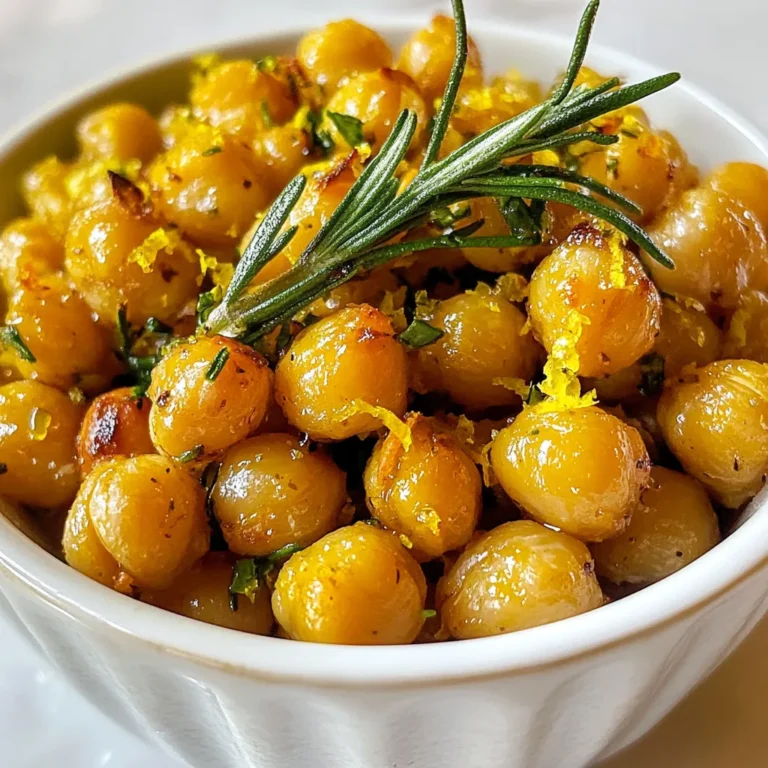
- 1 can chickpeas (15 oz) - Extra virgin olive oil - Fresh lemon for zest and juice - Fresh rosemary or dried rosemary - Garlic powder - Smoked paprika - Salt and black pepper - You can use avocado oil instead of olive oil. - Try thyme or oregano instead of rosemary. - Add chili powder or cumin for more spice. Chickpeas are the star of this recipe. They are small but mighty! When roasted, they turn crisp and crunchy. You can find canned chickpeas in most grocery stores. Look for ones that are low in sodium. Extra virgin olive oil gives the chickpeas a rich flavor. It helps them become golden brown while roasting. The lemon zest and juice add a bright taste. You should use fresh lemons for the best flavor. Fresh rosemary gives a nice herbal note. If you don't have fresh, dried rosemary works too. Garlic powder adds a savory touch, while smoked paprika gives a slight smokiness. Lastly, salt and black pepper enhance all the flavors. If you're feeling adventurous, switch things up. Use avocado oil for a different taste. Thyme or oregano can change the herb profile. Want it spicy? Add chili powder or cumin for a kick. These ingredients come together to make a delicious snack. You can enjoy them on their own or as a topping for salads. With these simple items, you create a crunchy treat that's healthy and full of flavor! {{ingredient_image_2}} - Preheat oven to 400°F (200°C). - Line a baking sheet with parchment paper. To start, you need to heat your oven. Set it to 400°F. This temperature helps the chickpeas get nice and crispy. Lining the baking sheet with parchment paper makes cleanup easy. It also prevents the chickpeas from sticking. - Drain and rinse chickpeas thoroughly. - Pat chickpeas dry for optimal crispiness. Next, take the chickpeas from the can. Drain them well, then rinse under cold water. This step removes extra salt and helps the chickpeas taste fresh. Use a clean kitchen towel to pat the chickpeas dry. Dry chickpeas will roast better and become crunchier. - Combine olive oil, lemon zest, lemon juice, rosemary, garlic powder, smoked paprika, salt, and pepper in a bowl. Now, let's make the flavorful marinade. In a large bowl, mix the olive oil, lemon zest, and lemon juice. Add in finely chopped rosemary, garlic powder, smoked paprika, salt, and pepper. Whisk until everything blends well. This mixture will coat the chickpeas and add a burst of flavor. - Toss chickpeas in the marinade until well-coated. - Spread evenly on baking sheet and roast. - Stir during roasting for even cooking. Add the chickpeas to your marinade bowl. Toss them gently until each chickpea is well coated. This ensures every bite is full of flavor. Spread the chickpeas out on the baking sheet in a single layer. Make sure they have space to roast properly. Pop the baking sheet into the oven. Roast for 25-30 minutes. Halfway through, take the sheet out and stir the chickpeas. This helps them cook evenly. They should be golden brown and crispy when done. Once roasted, let them cool slightly. They will get even crispier as they cool. Adjust the seasoning if needed before serving. Enjoy your tasty snack! To get the best crunch from your chickpeas, start by drying them well. After draining and rinsing, pat them dry with a clean kitchen towel. This step is key. Any moisture left will make them soggy. Next, space the chickpeas out on the baking sheet. This helps hot air circulate around them. If they are too close, they will steam instead of roast. Before serving, always taste your roasted chickpeas. You might want to adjust the seasoning. If you want more flavor, add a pinch of salt or pepper. You can also try other spices like chili powder or cumin. This gives you a chance to personalize your snack. Serve your crispy chickpeas in a nice bowl or on a lovely platter. This makes them look inviting. For a pop of color, garnish with fresh rosemary. It adds a nice touch and enhances the flavor. Enjoy these chickpeas as a snack or sprinkle them over salads for extra crunch! Pro Tips Pat Dry for Crispiness: Make sure to thoroughly dry the chickpeas before roasting. This step is crucial for achieving that delightful crunch. Experiment with Spices: Feel free to customize the seasoning! Try adding cayenne pepper for heat or cumin for a smoky flavor twist. Storage Tips: Store any leftover roasted chickpeas in an airtight container at room temperature. They are best enjoyed within a few days for maximum crunch. Perfect Roasting Time: Keep an eye on the chickpeas towards the end of roasting. Ovens vary, and you want them golden brown without burning. {{image_4}} You can change the flavors of your Lemon Rosemary Roasted Chickpeas easily. Adding a squeeze of lime gives a tangy twist. Lime adds brightness and pairs well with chickpeas. You can also try using different spice blends. For example, curry powder adds warmth and depth. Each blend will give your snack a new character. These chickpeas fit many diets. They are vegan and gluten-free. This makes them a great snack for everyone. Chickpeas are high in protein, too. Just one serving packs a punch of nutrition. They keep you full and satisfied while tasting great. Lemon Rosemary Roasted Chickpeas are versatile. You can use them as a salad topping. They add crunch and flavor to greens. They also make a fun party snack. Pair them with dips like hummus or tzatziki. This combination enhances flavors and makes for a delightful treat. Enjoy sharing them at your next gathering! To keep your roasted chickpeas fresh, let them cool first. After cooling, store them in an airtight container. Glass jars or plastic food containers work well. Make sure to seal the lid tightly. This helps keep them crunchy and flavorful. If you want to enjoy them warm, reheating is easy. Preheat your oven to 350°F (175°C). Spread the chickpeas on a baking sheet. Heat for about 10 minutes, or until warm. This method keeps them crispy. Avoid using a microwave, as it makes them soggy. Roasted chickpeas can last up to one week in the pantry. Keep them in a cool, dry place. Always check for signs of spoilage. If they smell off or feel soft, it's best to toss them. Proper storage ensures your snack stays tasty and enjoyable. Roast chickpeas for 25 to 30 minutes at 400°F (200°C). Halfway through, stir them. This helps them cook evenly. They should be golden brown and crispy when done. Yes, you can use dried chickpeas. Soak them in water overnight. Then, cook them until tender. This usually takes 1 to 2 hours. After cooking, drain and rinse before roasting. You can serve these chickpeas as a snack. They pair well with dips like hummus or tzatziki. You can also add them to salads or grain bowls for extra crunch. Yes, roasted chickpeas are very nutritious. They are high in protein and fiber. They also provide vitamins and minerals like iron and magnesium. This makes them a great snack option. You can prepare these chickpeas in advance. Store them in an airtight container. For best freshness, eat them within a week. Reheat in the oven to regain crispiness. In summary, I covered the tasty process of making lemon rosemary roasted chickpeas. You learned about key ingredients, step-by-step baking instructions, and helpful tips for crispiness. I also shared variations, storage advice, and answered common questions. These roasted chickpeas make a great snack, topping, or party dish. Enjoy experimenting with flavors and serving them in fun ways. Your kitchen will smell amazing, and you'll have a healthy treat ready to enjoy!

Lemon Rosemary Roasted Chickpeas Crunchy Snack Treat

Read More Lemon Rosemary Roasted Chickpeas Crunchy Snack TreatContinue

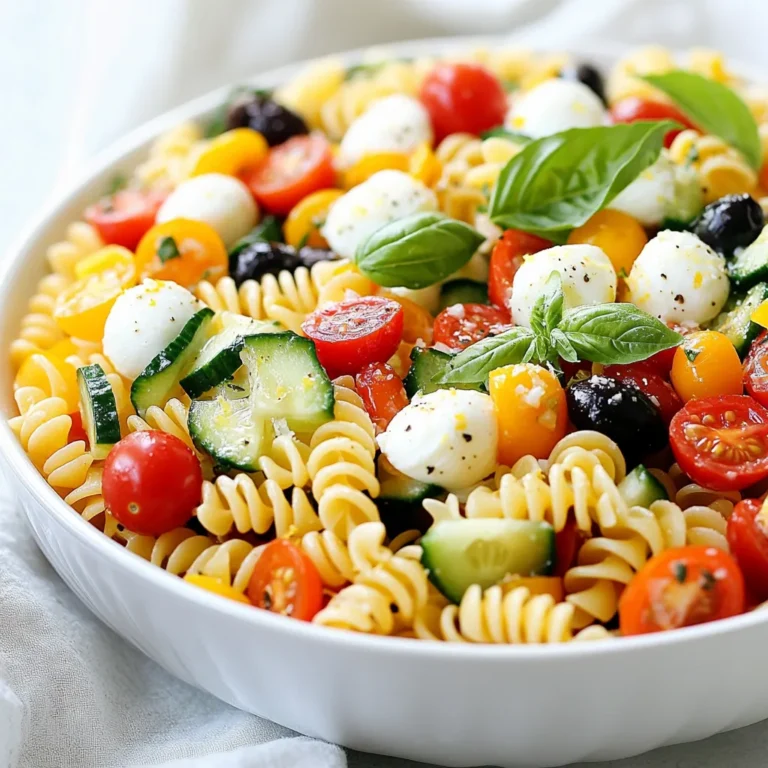
To make a tasty cold pasta salad, you need a few key items. Here’s what I use: - 8 ounces fusilli or rotini pasta - 1 cup cherry tomatoes, halved - 1 cup cucumber, diced - 1/2 cup red bell pepper, finely chopped - 1/4 cup red onion, finely chopped - 1/4 cup black olives, sliced - 1/2 cup fresh mozzarella balls, halved - 1/4 cup fresh basil leaves, chopped Using these fresh ingredients makes the salad bright and colorful. Adding veggies gives your pasta salad a great crunch and taste. I love using: - Cherry tomatoes for sweetness - Cucumber for a refreshing bite - Red bell pepper for color and crunch - Red onion for a sharp flavor - Black olives for a salty touch Feel free to mix and match your favorite veggies. You can add spinach, zucchini, or even artichokes! The dressing brings everything together. I use a simple lemon vinaigrette. Here’s what you need: - 1/4 cup extra virgin olive oil - 2 tablespoons fresh lemon juice - Zest of 1 lemon - Salt and black pepper to taste This dressing is light and bright. It enhances the flavors of the pasta and veggies without overpowering them. You can also try adding herbs or a splash of vinegar for a twist! {{ingredient_image_2}} First, you need to boil a large pot of salted water. Use enough water to cover the pasta. Once the water is boiling, add the fusilli or rotini pasta. Cook it according to the package instructions. This usually takes about 8-10 minutes. You want the pasta to be al dente, which means it should be firm but not hard. After cooking, drain the pasta in a colander. Rinse it under cold water to stop the cooking. This keeps the pasta from getting mushy. Set it aside to cool completely. Now, grab a large mixing bowl. In this bowl, add the halved cherry tomatoes, diced cucumber, finely chopped red bell pepper, and red onion. Next, toss in the sliced black olives and halved mozzarella balls. Finally, add the chopped fresh basil leaves. Gently mix all the vegetables together. You want them evenly distributed for the best flavor. In a small bowl, whisk together the extra virgin olive oil, fresh lemon juice, and lemon zest. Add a pinch of salt and black pepper to taste. Whisk until the mixture is well combined. This creates a bright and zesty dressing for the salad. The lemon adds a nice fresh flavor. Now it’s time to bring everything together. Add the cooled pasta to the bowl of mixed vegetables. Gently toss all the ingredients together. You want to coat the pasta and vegetables with the dressing. Make sure everything is well blended. This ensures that every bite is flavorful. Cover the salad bowl with plastic wrap or transfer it to an airtight container. Place it in the refrigerator for at least 30 minutes. This chilling time helps the flavors meld together. When you are ready to serve, stir the salad gently again. You can garnish with more fresh basil leaves or a few halved cherry tomatoes for a pop of color. Enjoy your refreshing cold pasta salad! To get the best pasta, cook it al dente. This means it should be firm but not hard. Follow the cooking time on the package. After boiling, drain the pasta and rinse it with cold water. This stops the cooking and cools it down. Make sure to toss it with a little olive oil. This keeps the pasta from sticking together. Basil shines in this salad, but many other herbs work too. Try parsley or cilantro for a fresh twist. Dill adds a nice flavor if you want something different. You can even mix herbs for a unique taste. Just chop them finely and add them to the salad. Serve this pasta salad in a large bowl. It looks great and makes it easy to share. To keep it fresh, add a little olive oil just before serving. This gives it a nice shine. You can also top it with extra herbs or fresh veggies. This adds color and makes it even more appetizing. Enjoy your dish chilled for the best taste! Pro Tips Perfect Pasta Texture: Make sure to cook the pasta al dente for the best texture. It should be firm to the bite, as it will continue to absorb the dressing while chilling. Fresh Ingredients Matter: Use the freshest vegetables and herbs you can find. Fresh basil and ripe tomatoes will elevate the flavor of your pasta salad immensely. Enhance the Vinaigrette: For a deeper flavor, consider adding a teaspoon of Dijon mustard or a pinch of red pepper flakes to the vinaigrette. Chill for Flavor: Allow the salad to chill for at least 30 minutes before serving. This resting time helps the flavors meld together beautifully. {{image_4}} If you want to make a vegetarian pasta salad, you have many options. You can swap the mozzarella for vegan cheese. This keeps the creamy feel while being dairy-free. Instead of olives, try artichoke hearts for a different flavor. You can also add roasted red peppers for sweetness. For crunch, consider using sunflower seeds or nuts. These swaps keep your salad fresh and exciting. To make your pasta salad more filling, add protein. Grilled chicken is a popular choice. It brings a smoky flavor that pairs well with lemon. You can also use chickpeas for a plant-based protein. They add a nice texture and are very healthy. If you enjoy seafood, shrimp works great in this salad too. Toss in some tuna if you like a hearty bite. Dressings can change the whole dish. Try adding pesto for a bold taste. It brings a rich, herby flavor that brightens the salad. A balsamic vinaigrette adds sweetness and tang. For something spicy, mix in some sriracha with the lemon vinaigrette. You can even try a yogurt-based dressing for creaminess without heavy oils. Each dressing option lets you enjoy a new twist on your cold pasta salad. To keep your cold pasta salad fresh, store it in an airtight container. This helps keep the flavors strong and the texture nice. Make sure to remove as much air as possible before sealing. If you have leftovers, eat them within three days for the best taste. Check for any signs of spoilage before serving. You can make this cold pasta salad a day ahead. This gives it time to chill and flavors to mix. Prepare the salad, then cover it tightly and put it in the fridge. Just remember to add fresh basil right before serving. This keeps it looking bright and tasting fresh. Freezing this pasta salad is not recommended. The texture of the pasta and veggies may change when thawed. If you want to save some for later, try freezing just the pasta. Cook it, cool it, then freeze it in a single layer. You can then add fresh veggies and dressing when ready to eat. Yes, you can use many types of pasta. Fusilli and rotini are great, but any short pasta works. Penne or farfalle are good choices too. Just remember to cook the pasta until it is al dente. This keeps it firm and tasty in the salad. You can use many fresh vegetables in your salad. Cherry tomatoes, cucumbers, and bell peppers add color and crunch. Red onions give it a slight bite. Black olives add a nice salty flavor. Feel free to mix in your favorites. Fresh herbs like basil bring an extra layer of taste. You can store cold pasta salad for about three to five days. Keep it in an airtight container for best results. If it starts to look or smell odd, it is best to throw it away. Always check before eating leftovers! You learned how to create a tasty cold pasta salad. I covered key ingredients, from pasta to veggies and dressings. The steps for cooking, making the vinaigrette, and combining all the parts make it easy. I also shared tips for texture and freshness and various fun swaps for your salad. Finally, I explained how to store leftovers. With this guide, you can enjoy your salad anytime. Dive in and make your own delicious version!

Cold Pasta Salad Simple and Flavorful Recipe

Read More Cold Pasta Salad Simple and Flavorful RecipeContinue

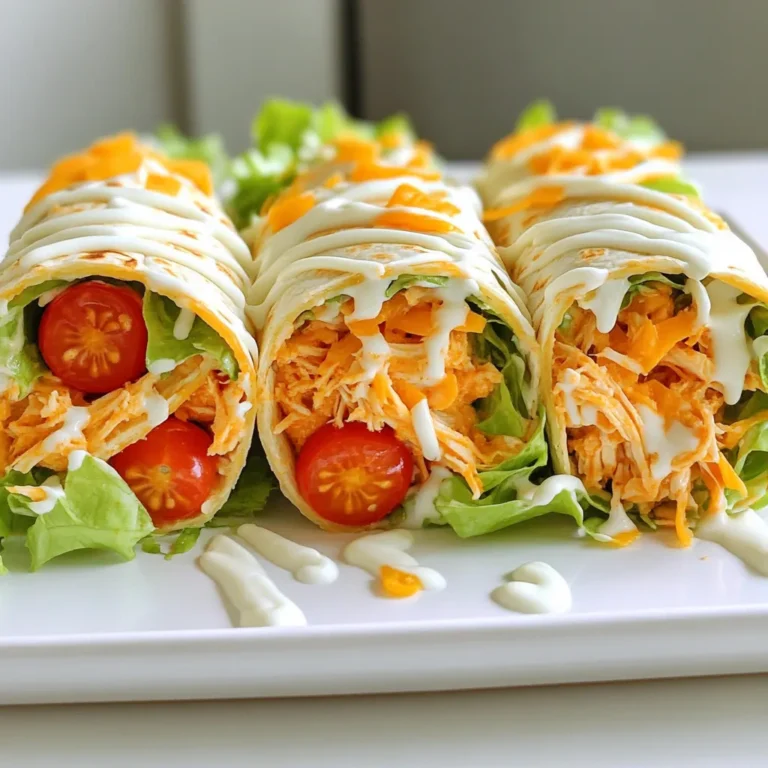
- 1 lb boneless, skinless chicken breasts - 1 cup buffalo sauce - 1 tablespoon olive oil - 1 teaspoon garlic powder - 1 teaspoon onion powder - ½ teaspoon smoked paprika - Salt and black pepper to taste - 4 large tortillas - 1 cup shredded lettuce - 1 cup cherry tomatoes, halved - 1 cup shredded cheddar cheese - ½ cup ranch or blue cheese dressing (optional) Gathering the right ingredients is key to great buffalo chicken wraps. Start with fresh chicken breasts. You want boneless and skinless for easy cooking and shredding. Buffalo sauce adds the kick you crave. Use your favorite brand or make your own for a special touch. Olive oil keeps the chicken moist while it bakes. For seasonings, garlic powder and onion powder bring flavor. Smoked paprika adds a nice depth. Don’t forget salt and black pepper to taste. These simple spices can make a big difference. Next, for the wraps, choose large tortillas. Flour or whole wheat work well. You’ll also need fresh, crunchy lettuce. Iceberg or romaine is perfect. Cherry tomatoes add a burst of flavor when halved. Shredded cheddar cheese brings a creamy texture. If you like a creamy finish, add ranch or blue cheese dressing. This optional ingredient can make your wraps even more delicious. With these ingredients, you're set for a tasty meal that’s easy to prepare. 1. Preheat your oven to 400°F (200°C). This heat will cook the chicken just right. 2. In a large bowl, mix the chicken with the buffalo sauce, olive oil, garlic powder, onion powder, smoked paprika, salt, and pepper. Make sure each piece is coated well. 3. Now, transfer the chicken to a sheet pan. Spread it out so it cooks evenly. 1. Place the sheet pan in the oven and bake the chicken for 20-25 minutes. It should reach an internal temperature of 165°F (74°C). 2. Once done, remove the chicken from the oven. Let it rest for about 5 minutes. This step helps keep the chicken juicy. 3. After resting, shred the chicken using two forks. Make it into bite-sized pieces for easy wrapping. 1. Lay a tortilla flat on your counter. Layer a good amount of shredded lettuce in the center. 2. Next, add the shredded chicken, halved cherry tomatoes, and a sprinkle of cheddar cheese. 3. If you like, drizzle ranch or blue cheese dressing over the fillings for extra flavor. 4. Carefully roll the tortilla tightly, folding in the sides as you go. This keeps all the tasty bits inside. 1. For extra crispiness, place the assembled wraps back on the sheet pan. 2. Bake for another 5-7 minutes until they are warm and the tortillas are slightly crispy. To ensure even cooking on the sheet pan, space out the chicken pieces. This helps hot air circulate around each piece. Avoid stacking the chicken, as this can lead to uneven cooking. Check the chicken doneness by using a meat thermometer. The safe internal temperature is 165°F (74°C). If you don't have a thermometer, cut into the chicken. The meat should no longer be pink, and the juices should run clear. You can make your wrap unique by trying different sauces. Consider using barbecue sauce for a sweet twist. For a milder option, try a honey mustard sauce. You can also swap out toppings based on your taste. Add avocado slices or diced cucumbers for extra crunch. If you have dietary needs, use turkey instead of chicken. For a vegetarian option, try chickpeas or cauliflower tossed in buffalo sauce. For an appealing dish, arrange the wraps on a platter. Cut them in half to show off the colorful fillings. Serve with small bowls of extra buffalo sauce and ranch dressing for dipping. This adds a fun touch to each bite. Pair the wraps with crisp celery sticks or carrot sticks. They provide a refreshing crunch that balances the flavors of the wraps. {{image_4}} You can try many sauces with your wraps. Some great options are barbecue sauce or honey mustard. You can also use a spicy buffalo sauce for more heat. If you prefer mild flavors, try a sweet buffalo sauce instead. These choices let you change the taste based on your mood. If you want to change the protein, turkey works great. Ground turkey or shredded turkey fits well in these wraps. You can also use plant-based protein for a tasty option. Chickpeas or lentils can add great flavor too. Chicken is classic, but switching it up keeps meals fun. The tortillas you choose can change the wrap. Flour tortillas are soft and easy to use. Whole wheat tortillas add a nutty flavor and extra fiber. If you need gluten-free options, there are many brands available. Look for corn or almond flour tortillas to meet your needs. To keep your wraps fresh, store them in an airtight container. Make sure to cool them first. They can last for up to three days in the fridge. For longer storage, freeze them. Wrap each one tightly in plastic wrap, then place them in a freezer bag. They can stay good for about three months in the freezer. Just remember, the texture may change a bit after thawing. When it's time to eat again, reheating is key to keeping the wraps tasty. The best method is using an oven or toaster oven. Preheat it to 350°F (175°C) and place the wraps on a baking sheet. Heat them for about 10-15 minutes until warmed through. This method helps keep the tortilla crispy. You can also use a microwave but be careful. It can make the wraps soggy. If you choose the microwave, heat them for 30 seconds. Then check if they are warm. For storage containers, use BPA-free plastic or glass. Make sure they have tight lids to keep out air. This helps keep your wraps fresh and tasty for later. It takes about 10 minutes to prep the wraps. Cooking them will take another 20 to 25 minutes. In total, you should plan for around 40 minutes. This includes mixing, baking, and rolling your wraps. Yes, you can prep these wraps ahead of time. You can cook the chicken and store it in the fridge for up to three days. Then, when you are ready to eat, just assemble the wraps. This makes for an easy meal! You can serve these wraps with several sides. Some great options include: - Celery sticks for crunch - Carrot sticks for sweetness - Chips for added texture - A side salad for freshness Yes! To make a milder version, you can use a less spicy sauce. Try using barbecue sauce instead of buffalo sauce. You can also skip the spices or reduce their amounts to keep the flavor without the heat. Making buffalo chicken wraps is fun and simple. You learned about key ingredients, easy steps, and helpful tips. You can customize these wraps with different proteins, sauces, and tortillas. Don't forget to store leftovers properly for later enjoyment. These wraps are perfect for any meal. You can make them spicy or mild, based on your taste. Try them and see how they fit your dining needs. Enjoy your cooking adventure!

Sheet Pan Buffalo Chicken Wraps Tasty and Easy Meal

Read More Sheet Pan Buffalo Chicken Wraps Tasty and Easy MealContinue

- 1 cup fresh spinach, finely chopped - 1 cup mozzarella cheese, finely shredded - 1/2 cup creamy ricotta cheese - 1/4 cup freshly grated Parmesan cheese - 1 teaspoon garlic powder - 1 teaspoon Italian seasoning blend - 1 package pizza dough (store-bought or homemade) - 1 egg, beaten (for egg wash) - Olive oil spray for coating - Marinara sauce for dipping I use a standard measuring cup and spoons for accuracy. For cheese, finely shredding mozzarella helps it melt evenly. When chopping spinach, make sure to cut it very small. This helps mix well with the other cheeses. Use a teaspoon for the garlic powder and Italian seasoning. This gives the right flavor without overpowering the other ingredients. If you want bigger rolls, you can cut the pizza dough into larger squares. For mozzarella, I recommend Galbani or Sargento. They have great flavor and melt well. For ricotta, try Polly-O or BelGioioso for a creamy texture. For Parmesan, Grana Padano is a good choice. It has a rich taste that enhances the rolls. For pizza dough, look for brands like Pillsbury or Trader Joe's. They offer a good balance of taste and texture. Always choose fresh spinach for the best flavor. Start by gathering your filling ingredients. You will need fresh spinach, mozzarella cheese, ricotta cheese, and Parmesan cheese. In a medium bowl, combine: - 1 cup fresh spinach, finely chopped - 1 cup mozzarella cheese, finely shredded - 1/2 cup creamy ricotta cheese - 1/4 cup freshly grated Parmesan cheese - 1 teaspoon garlic powder - 1 teaspoon Italian seasoning blend Mix these ingredients well. Make sure every piece of spinach is coated in cheese. This mix will give your pizza rolls a rich flavor. Next, roll out your pizza dough. If you use store-bought dough, that works great. On a floured surface, roll the dough to about 1/4 inch thick. Cut the dough into squares, each about 4 inches by 4 inches. Now, take a tablespoon of your filling mixture. Place it in the center of each square. Fold the dough over the filling to make a triangle. Press the edges tightly to keep the filling inside. You can use a fork to crimp the edges for a secure seal. Preheat your air fryer to 375°F (190°C) for about 5 minutes. While it heats, spray the basket lightly with olive oil. Place your pizza rolls in a single layer in the basket. Make sure they have space between them. This helps them cook evenly. Spray the tops of the rolls with a little olive oil for a crispy finish. Cook the rolls for 8 to 10 minutes. Flip them halfway through for even browning. When they are golden brown and crispy, they are ready. Carefully remove the pizza rolls and let them cool for a few minutes. Serve with warm marinara sauce for dipping. Enjoy your crunchy and flavorful snack! To make the best pizza rolls, follow these tips: - Use fresh ingredients. Fresh spinach and good cheese make a big difference. - Don’t overfill. Use only a tablespoon of filling for each roll. - Seal well. Press edges firmly to keep the filling inside. - Preheat your air fryer. This helps achieve a crispy outside. - Space them out. Place rolls in a single layer for even cooking. Here are some common mistakes that can ruin your pizza rolls: - Skipping the olive oil spray. This adds crispiness and flavor. - Not flipping halfway. This ensures both sides cook evenly. - Using cold dough. Let it warm up for better rolling. - Ignoring cooking time. Keep an eye on them to avoid burning. You can easily change up the flavors in your pizza rolls: - Add meats. Try pepperoni or cooked sausage for a meaty twist. - Mix in veggies. Bell peppers or mushrooms add great taste. - Use different spices. Try a kick with red pepper flakes or smoked paprika. - Experiment with cheese. Swap mozzarella for cheddar or feta for new flavors. {{image_4}} You can mix up your pizza rolls with many tasty fillings. Try pepperoni and cheese for a classic flavor. You can also use cooked sausage for a heartier bite. For a fun twist, add some jalapeños for heat or bell peppers for sweetness. If you want a fresh taste, mix in fresh herbs like basil or oregano. You can even use leftovers like chicken or veggies. The key is to keep the filling balanced. Too much can make them soggy. If you need gluten-free pizza rolls, it’s easy to adapt. Use gluten-free pizza dough. Many stores sell this now. Check the labels to find a good brand. You can still fill them with your favorite ingredients. Just make sure the cheese and other items are also gluten-free. This way, you get to enjoy the same crunchy and tasty goodness without worry. For vegetarian pizza rolls, stick with cheeses and vegetables. The cheesy spinach filling is perfect and healthy. You can add mushrooms or zucchini for more flavor. For non-vegetarians, add meats like ham, bacon, or chicken. Combine these with cheese for a rich, savory treat. You can create rolls that suit every taste and diet. Enjoy exploring these options to find your favorite! After you enjoy your pizza rolls, you may have some left. To store them, place the rolls in an airtight container. Make sure they cool down first. This helps keep them fresh. Store them in the fridge for up to three days. To reheat pizza rolls, the air fryer works best. Set your air fryer to 350°F (175°C). Place the rolls in the basket for about 5 minutes. This will make them crispy again. You can also use a microwave, but they may not stay crunchy. Heat them for 30 seconds to 1 minute. Check to see if they are warm enough. If you want to save some pizza rolls for later, freezing is a great option. First, let the rolls cool completely. Then, arrange them in a single layer on a baking sheet. Freeze them for about 1 hour. Once they are firm, transfer them to a freezer-safe bag. You can freeze them for up to three months. When you are ready to eat, cook them straight from the freezer. Set your air fryer to 375°F (190°C) and cook for 10 to 12 minutes. Enjoy your tasty snack anytime! You can tell when pizza rolls are done by their color. They should be golden brown on the outside. I also check for crispiness. If they feel firm and sound crunchy when you tap them, they are ready. Cooking them in the air fryer for 8 to 10 minutes usually does the job. Flip them halfway through to ensure even cooking. Yes, you can use frozen dough for this recipe. Just let it thaw completely before using. Follow the package instructions for best results. After thawing, roll it out as you would with fresh dough. This option works well if you want to save time. Marinara sauce is a classic choice for dipping pizza rolls. It adds a nice tangy flavor that complements the cheese. You could also try ranch dressing for a cool, creamy taste. Another fun option is garlic sauce for a bit of extra flavor. Experiment with different sauces to find your favorite! Making pizza rolls can be fun and rewarding. We covered the key ingredients and how to measure them. I shared the steps for preparing, assembling, and cooking in an air fryer. Tips helped you avoid mistakes while enhancing flavors. You learned about swapping fillings and options for gluten-free or vegetarian diets. Finally, storage methods ensure your leftover pizza rolls stay fresh. Enjoying this treat is easy with these insights. Try your own twists and share them with friends!

Air Fryer Pizza Rolls Crunchy and Flavorful Snack

Read More Air Fryer Pizza Rolls Crunchy and Flavorful SnackContinue

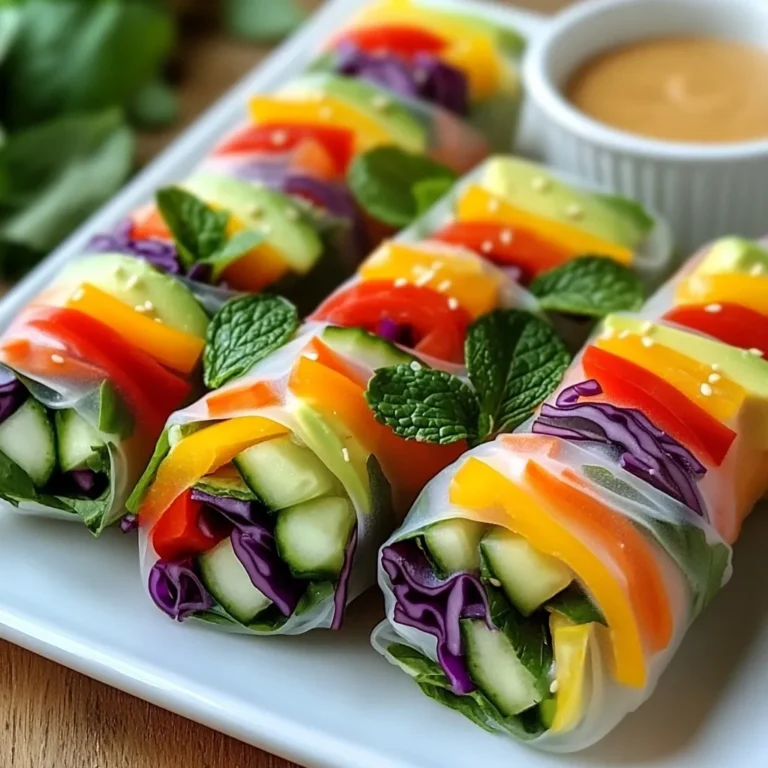
- Rice paper wrappers - Vegetables for filling: - 1 cup red cabbage, finely sliced - 1 cup carrots, julienned - 1 bell pepper, finely sliced - 1 cucumber, julienned - 1 avocado, thinly sliced - Fresh herbs: - 1 cup fresh mint leaves - 1 cup fresh basil leaves - 1/4 cup cilantro leaves - 1/4 cup creamy peanut butter - 2 tablespoons soy sauce - 1 tablespoon sesame oil - 1 tablespoon freshly squeezed lime juice - 1 tablespoon honey or agave syrup - Salt and pepper to taste - 1 cup vermicelli noodles, cooked and cooled - Additional vegetables or proteins When I make Rainbow Veggie Spring Rolls, I choose fresh, colorful veggies. The red cabbage adds crunch, while carrots give a sweet taste. The bell pepper, cucumber, and avocado bring a creamy texture. Fresh herbs like mint, basil, and cilantro give a bright flavor. For the dipping sauce, I mix peanut butter with soy sauce. A splash of sesame oil adds depth. Lime juice brightens the sauce, and honey or agave syrup balances the taste. A pinch of salt and pepper rounds it all out. I also love adding vermicelli noodles for extra filling. You can swap in other veggies or proteins to suit your taste. This recipe gives you room to be creative and enjoy fun flavors! {{ingredient_image_2}} - Boil water and cook 1 cup of vermicelli noodles for 3-4 minutes. - Drain the noodles and rinse them under cold water. This helps stop cooking and cools them down. - In a bowl, combine: - 1/4 cup creamy peanut butter - 2 tablespoons soy sauce - 1 tablespoon sesame oil - 1 tablespoon freshly squeezed lime juice - 1 tablespoon honey or agave syrup - A pinch of salt and pepper - Whisk until smooth. If it’s too thick, add a splash of warm water to reach a dippable consistency. - Slice your vegetables and herbs into thin strips. Use: - 1 cup red cabbage - 1 cup carrots - 1 bell pepper - 1 cucumber - 1 avocado - 1 cup fresh mint leaves - 1 cup fresh basil leaves - 1/4 cup cilantro leaves - Thin strips make rolling easier and look great in the rolls. - Fill a shallow dish with warm water. - Soak one rice paper wrapper for about 10-15 seconds until it softens. - Lay the wrapper flat on a clean surface. - In the center of the rice paper, place: - A small portion of noodles - A few slices of each vegetable - A sprinkle of fresh herbs - Fold the sides of the rice paper over the filling. - Starting from the bottom, roll it upward, tucking in the filling as you go. - Arrange the spring rolls on a platter to show off their colors. - Place a small bowl of the dipping sauce in the center for easy access. - For a beautiful look, serve in a bright dish and garnish with leftover herbs or sesame seeds. To make a tight roll, start with soft rice paper. Soak it in warm water for 10-15 seconds. Keep it flat on your surface. Place the filling in the center. Fold in the sides gently. Then, roll from the bottom. Tuck the filling in as you go. This keeps the spring rolls tight and neat. If you tear the paper, don’t worry! Just use a new piece. You can swap veggies based on what you like. Try using bell peppers, spinach, or radishes. For a vegan option, replace honey with agave syrup. You can also add proteins like tofu or chickpeas. This adds more flavor and nutrition. Feel free to mix and match to create your own versions. Store leftover veggies in an airtight container. Keep them in the fridge for up to three days. For sauce, place it in a jar. It will stay fresh for about a week. If the sauce thickens, just add a splash of water. This way, you can enjoy your spring rolls later! Pro Tips Use Fresh Ingredients: The quality of your vegetables and herbs greatly influences the taste of your spring rolls. Opt for the freshest produce available for the best flavor and texture. Prep Ahead: To save time, you can prepare the vegetables and dipping sauce a few hours in advance. Just keep them covered in the fridge until you're ready to assemble the spring rolls. Don’t Overstuff: While it may be tempting to fill your spring rolls to the brim, overstuffing can make them difficult to roll and may lead to tearing. Keep the filling moderate for easier handling. Experiment with Dipping Sauces: While the peanut sauce is delicious, try different dipping sauces such as hoisin, sweet chili, or even a citrus vinaigrette to find your perfect pairing! {{image_4}} You can change the filling to suit your taste. Try adding proteins like shrimp or tofu. Shrimp adds a sweet and savory touch. Tofu is a great plant-based option that absorbs flavors well. You can grill or sauté them before adding to the rolls. The dipping sauce can also vary. While peanut sauce is a classic, you can try hoisin sauce for a sweeter kick. Spicy chili sauce can add heat if you enjoy spice. Feel free to mix sauces to find your favorite combination. Using seasonal vegetables enhances the freshness of your rolls. In spring, add asparagus or radishes for crunch. Summer is perfect for zucchini or fresh peas. In fall, consider roasted sweet potatoes or butternut squash. Each season brings new flavors and colors to your spring rolls. To keep your spring rolls fresh, store them in an airtight container. Place a damp paper towel in the container to help maintain moisture. This prevents the rice paper from drying out. Keep the container in the fridge. Use the rolls within 1-2 days for the best taste and texture. You can freeze spring rolls for later. To freeze, lay them flat on a baking sheet. Make sure they don't touch. Freeze them for about 1-2 hours until solid. Then, transfer them to a freezer bag. Squeeze out the air and seal. They can last up to three months in the freezer. To reheat, simply thaw in the fridge overnight. Then, heat in a pan or the oven until warm. The dipping sauce can last in the fridge for about a week. Store it in a sealed container. If you see any changes in color or smell, discard it. For optimal flavor, use it within a few days. To know if the rice paper is ready, watch for these signs: - It should feel soft and pliable. - The color will change from white to slightly translucent. - It should bend easily without tearing. Soak the rice paper for about 10-15 seconds in warm water. This will help it soften just right. Yes, you can prepare these spring rolls ahead of time. Here are some tips: - Prepare the veggies and noodles in advance. - Store them in airtight containers in the fridge. - Roll the spring rolls just before serving. If you roll them too early, they may become soggy. These spring rolls pair well with many sides. Consider these ideas: - A fresh salad with lime dressing. - Crispy vegetable chips for crunch. - A light soup like miso or vegetable broth. - Serve with the dipping sauce for added flavor. These options enhance the meal and offer a balance of taste. Yes, spring rolls can be gluten-free. Here are some points to consider: - Use rice paper wrappers, which are typically gluten-free. - Check the soy sauce; opt for tamari as a gluten-free option. - Ensure that any added sauces or ingredients are also gluten-free. By making these choices, you can enjoy a tasty gluten-free treat. In this post, we explored how to make delicious rainbow veggie spring rolls. You learned about the key ingredients, from fresh veggies to the perfect dipping sauce. We walked through each step of preparing, assembling, and serving these tasty rolls. Remember, you can mix and match ingredients to fit your taste. Try different sauces or add proteins. Whether you’re a novice or a pro in the kitchen, these spring rolls are a fun, healthy treat. Enjoy sharing them with family and friends!

Rainbow Veggie Spring Rolls Fresh and Colorful Treat

Read More Rainbow Veggie Spring Rolls Fresh and Colorful TreatContinue

Page navigation

1 2 3 … 24 Next PageNext

Our Policys

  • Privacy Policy
  • Cookie Policy
  • Copyright Policy
  • GDPR Policy
  • Disclaimer
  • Terms Of Use

More Information

  • Home
  • About
  • Contact
  • Appetizer
  • Desserts
  • Dinner
  • Drinks

© 2025 joymealplan

  • Home
  • Dinner
  • Appetizer
  • Desserts
  • Drinks
  • About
  • Contact
  • Privacy Policy
Search