Skip to content
  • About
  • Contact
  • Cookie Policy
  • Copyright Policy
  • Disclaimer
joymealplan
  • Home
  • Dinner
  • Appetizer
  • Desserts
  • Drinks
  • About
  • Contact
  • Privacy Policy
joymealplan
Home / Dinner - Page 28

Dinner

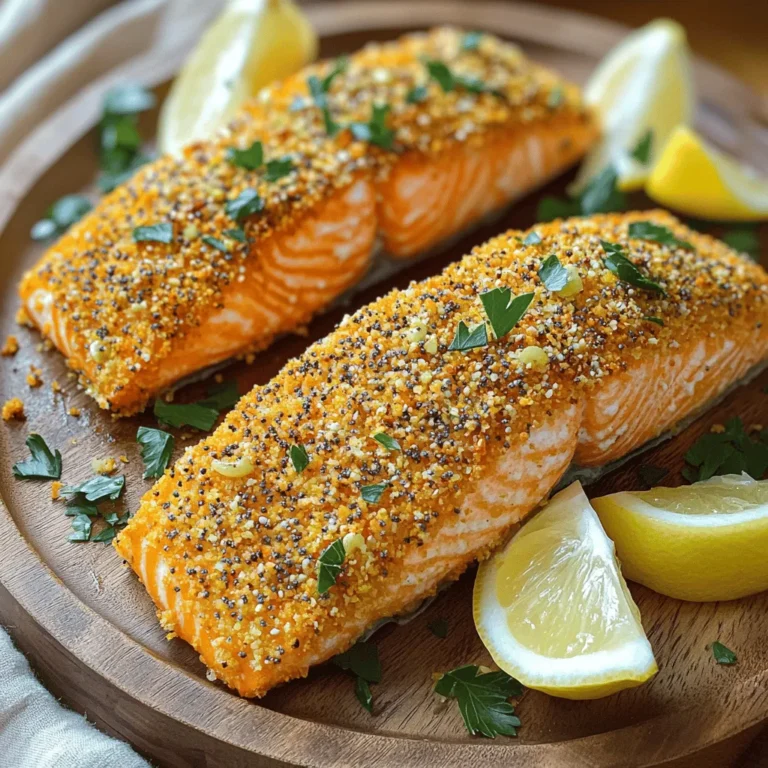
- 4 salmon fillets (approximately 6 oz each) - 2 tablespoons Dijon mustard - 1 cup panko breadcrumbs - 2 tablespoons everything bagel seasoning - 2 tablespoons fresh parsley, finely chopped - 1 tablespoon olive oil - Salt and pepper, to taste - Lemon wedges, for serving To make Everything Bagel Crusted Salmon, gather these fresh ingredients. You need salmon fillets for the main protein. Dijon mustard gives a tangy kick that helps the crust stick. Panko breadcrumbs add a nice crunch. The everything bagel seasoning brings a mix of flavors. You can use fresh parsley to brighten the dish. Olive oil adds richness and helps the Dijon mix well. Don't forget to season with salt and pepper. Finally, lemon wedges serve as a zesty garnish that enhances the salmon's taste. This recipe is simple and fun. You will love how it turns out. For the full recipe, check out the steps to prepare this dish perfectly. - Preheat the oven to 400°F (200°C). - Pat salmon fillets dry with paper towels and season both sides with salt and pepper. This helps the crust stick and gives you a nice texture. - Combine 2 tablespoons of Dijon mustard and 1 tablespoon of olive oil in a bowl. - Whisk until smooth. This mix adds flavor and helps the crust stick to the fish. - Brush the mustard mixture onto the salmon fillets. Use a pastry brush for even coverage. - In another bowl, mix 1 cup of panko breadcrumbs, 2 tablespoons of everything bagel seasoning, and 2 tablespoons of fresh parsley. Press this mixture firmly onto the mustard-coated side of the salmon. This creates a tasty crust. - Arrange the salmon on a prepared baking sheet lined with parchment paper. - Bake for 12-15 minutes until the salmon flakes easily with a fork. The crust should turn a golden brown. This method keeps the fish moist inside while giving you a crunchy top. Enjoy your Everything Bagel Crusted Salmon with a squeeze of fresh lemon for extra zest! For the full recipe, check out the link provided. To get the best crust, start by drying your salmon well. This helps the coating stick. Use paper towels to soak up any extra moisture. This small step makes a big difference. After drying, season your fillets with salt and pepper. Then, brush on the Dijon mustard mix. The mustard acts like glue for the crust. Cooking time can change based on how thick your fillets are. Thicker pieces may need a few extra minutes. Keep an eye on them as they bake. To check for doneness, gently flake the salmon with a fork. It should come apart easily. If it does, it’s ready to eat! For a great presentation, serve your salmon on a large platter. Add fresh lemon wedges for a pop of color. Squeeze some lemon juice over the salmon before eating. You can also sprinkle extra parsley around the dish. This adds a nice touch and makes it look fancy. Check out the Full Recipe for more details! {{image_4}} You can switch up the flavor by using other bagel seasonings. Try a garlic or onion blend for a twist. You can also mix in herbs like dill or rosemary for extra taste. If you want a different texture, use crushed crackers or cornmeal instead of panko. Each option gives a new feel to the crust. If you want to try a different fish, trout or cod works well. Both have a mild flavor and cook nicely. For a vegetarian choice, eggplant or tofu can be great substitutes. Just slice the eggplant thick and press the crust on. Tofu can be marinated first to add more flavor. Pair your salmon with simple sides like roasted veggies or rice. A fresh salad can also brighten the meal. For dipping, a lemon dill sauce or yogurt sauce works well. These add a nice creaminess that complements the salmon. You can also serve it with a tangy salsa for a fun twist. After you enjoy your everything bagel crusted salmon, let it cool down. Place the salmon in a shallow container. This helps it cool evenly. Use airtight containers to keep the salmon fresh. Glass or BPA-free plastic works best. Make sure to store it in the fridge. Leftover salmon stays good for up to three days. To reheat salmon, the oven is your best friend. Preheat it to 275°F (135°C). Place the salmon on a baking dish. Cover it with foil to keep moisture in. Heat for about 15 minutes. This keeps the texture nice and soft. Avoid using the microwave; it can dry out the fish. Yes, you can freeze cooked everything bagel crusted salmon! First, let it cool completely. Wrap each piece tightly in plastic wrap. Then, place them in a freezer bag. This prevents freezer burn. You can freeze the salmon for up to three months. When ready to eat, thaw it in the fridge overnight. Reheat as mentioned above for the best results. Everything bagel seasoning is a mix of spices. It usually has garlic, onion, sesame seeds, poppy seeds, and salt. This blend gives a savory taste. You can use it on more than just bagels. It works great on salmon too! Yes, you can use frozen salmon! Just make sure to thaw it first. Place the salmon in the fridge overnight or run it under cold water. This helps keep the fish fresh. After thawing, pat it dry. This step is key for a crispy crust. Yes, you can make it gluten-free. Use gluten-free panko breadcrumbs instead of regular ones. Also, choose gluten-free Dijon mustard. These swaps will ensure everyone can enjoy this dish. You can tell salmon is done when it flakes easily with a fork. The color should change from bright pink to a more opaque shade. Another way is to check the internal temperature. It should reach 145°F (63°C) for safe eating. In this post, we explored how to make delicious everything bagel crusted salmon. We covered the key ingredients, step-by-step instructions, and helpful tips for the best results. Remember to dry your salmon first to get a nice crust. Don't hesitate to try different fish or seasoning options for variety. This dish pairs well with fresh sides and adds flavor to your meals. Enjoy experimenting, and happy cooking!

Everything Bagel Crusted Salmon Flavorful Easy Recipe

Read More Everything Bagel Crusted Salmon Flavorful Easy RecipeContinue

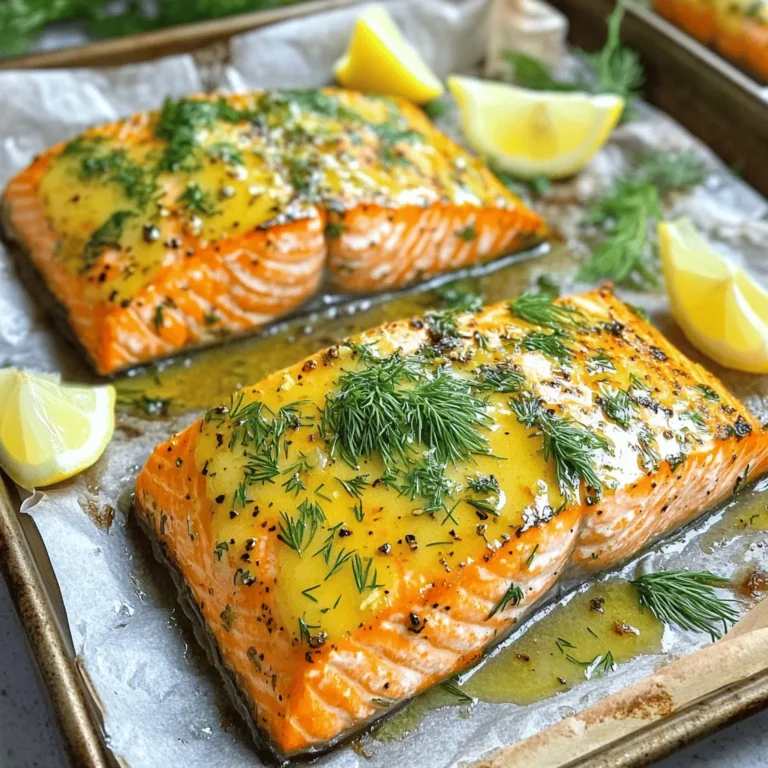
- 4 salmon fillets (6 ounces each) - 2 tablespoons extra virgin olive oil - 4 cloves garlic, finely minced - 1 large lemon (zested and juiced) - 2 teaspoons fresh dill (or 1 teaspoon dried dill) - 1 teaspoon sea salt - ½ teaspoon freshly cracked black pepper - 1 cup cherry tomatoes, halved - 1 bunch fresh asparagus, ends trimmed - Optional: Lemon slices and fresh dill sprigs for garnish When I prepare my sheet pan lemon garlic salmon, I always start with fresh ingredients. The salmon fillets need to be about 6 ounces each for the best cook. Extra virgin olive oil adds depth to the flavors. Minced garlic gives a nice kick, and the bright zest and juice from the lemon add zestiness. I love using fresh dill. It pairs perfectly with the salmon. Sea salt and black pepper bring out the flavors in the fish and veggies. Cherry tomatoes and asparagus not only look good but also add color and taste. I like to keep lemon slices on hand for garnish. Fresh dill sprigs also add a nice touch. They make the dish look fancy and delicious. You can find the full recipe for this meal [here](#). - Preheat the oven to 400°F (200°C). - Line the sheet pan with parchment paper. - Whisk together olive oil, garlic, lemon juice, lemon zest, dill, salt, and pepper. - This mix adds flavor and moisture to your salmon. - Coat salmon fillets with the marinade. - Arrange cherry tomatoes and asparagus on the sheet pan. - Make sure the veggies are spread out for even cooking. - Transfer the pan to the oven and bake for 15-20 minutes. - The salmon will be done when it flakes easily with a fork. - Check that the asparagus is tender but still crisp. - Let the dish rest for a few minutes before serving. - Garnish with lemon slices and optional dill for a fresh look. I love how easy this dish is to prepare. You can find the Full Recipe for more details. To ensure salmon is perfectly cooked, use a fork to test it. When it flakes easily, it’s done. Aim for an internal temperature of 145°F. This way, your salmon will be moist and tender. Resting time is key after cooking. Let the salmon sit for about 5 minutes before serving. This helps the juices redistribute, making each bite more flavorful. Serving directly from the pan gives a cozy feel. It makes the meal feel more relaxed and invites everyone to dig in. For plating, use a large plate. Place a salmon fillet in the center. Arrange the asparagus and tomatoes around it. A touch of fresh dill on top adds color and flavor. To boost flavor, consider adding spices like paprika or smoked sea salt. Fresh herbs like basil or parsley can also work well. For marinades, try mixing honey with soy sauce for a sweet twist. You can also use a splash of white wine to elevate the dish. For the full recipe, check the links above. {{image_4}} You can easily swap salmon for other fish like trout or cod. These fish cook similarly and absorb flavors well. If you want a different protein, try chicken breasts. They work great too. For vegetarian or vegan options, use tofu or tempeh. Both can soak up the lemon garlic marinade and bring great taste. Using seasonal vegetables can brighten your dish. In spring, try green beans or baby carrots. Summer is perfect for zucchini or bell peppers. In fall, consider sweet potatoes or Brussels sprouts. Winter brings root vegetables like parsnips and turnips. If you want to switch out asparagus or tomatoes, don't hesitate. Broccoli or cauliflower can add nice crunch and flavor. Experimenting with herbs and spices opens new doors. Try fresh basil or parsley for a bright twist. If you want a bolder taste, use smoked paprika or cumin. You can also play with sweet and savory. Adding fruits like pineapple or peaches can bring a fun contrast to the dish. Mixing flavors can create a memorable meal! For the full recipe, check out the [Full Recipe]. Store any leftover salmon and veggies in the fridge. Use airtight containers to keep them fresh. Make sure the lid fits tightly. This helps maintain flavor and texture. It's best to eat leftovers within two days for the best taste. To reheat salmon, use low heat to avoid drying it out. You can use the oven or microwave. For the oven, set it to 350°F (175°C) and warm for about 10 minutes. If using the microwave, place salmon on a plate and cover it with a damp paper towel. Heat in short bursts of 30 seconds until warmed through. You can freeze cooked salmon and veggies for later. Wrap each piece tightly in plastic wrap, then place in a freezer bag. Be sure to remove as much air as possible. For thawing, move them to the fridge for a few hours or overnight. This keeps the salmon tasty and moist. How long to bake salmon at different temperatures? For salmon, the general rule is to bake it at 400°F for 15-20 minutes. If you choose 375°F, it may take 20-25 minutes. At 425°F, check it after 12-15 minutes. Cooking time varies with thickness and oven accuracy. Always check for doneness to avoid overcooking. Can I use frozen salmon for this recipe? Yes, you can use frozen salmon. Just be sure to thaw it first. Place it in the fridge overnight or use cold water for quicker thawing. Pat the salmon dry before adding the marinade. This helps it absorb the flavors better. What temperature should salmon be cooked to? Salmon should reach an internal temperature of 145°F. Use a meat thermometer to check. When done, it should flake easily with a fork. The color will change from bright pink to opaque. How can I tell when the salmon is done? You can tell salmon is ready when it flakes easily. Press it gently with a fork. If it breaks apart, it's done. The color should be a light pink with a slightly opaque appearance. What sides pair well with lemon garlic salmon? Great sides include rice, quinoa, or a fresh salad. Roasted potatoes or steamed veggies also work well. These sides complement the salmon's bright flavors. You might want to add a squeeze of lemon on top. Is it okay to substitute any ingredients? Yes, you can substitute ingredients. Use any firm fish if you don't have salmon. For veggies, try broccoli or zucchini. You can swap fresh herbs with dried ones, but use less. Adjust the flavors to suit your taste! For the complete recipe, check out the Full Recipe section. This blog post showed you how to make a delicious lemon garlic salmon dish. We covered the main ingredients, easy steps for cooking, and tips for great results. You learned about variations and storing leftovers for later. Cooking should be fun, and this recipe is simple and tasty. Try it out and enjoy your meal. Once you master this dish, feel free to experiment with your own flavors and sides. Happy cooking!

Sheet Pan Lemon Garlic Salmon Tasty Family Dinner

Read More Sheet Pan Lemon Garlic Salmon Tasty Family DinnerContinue

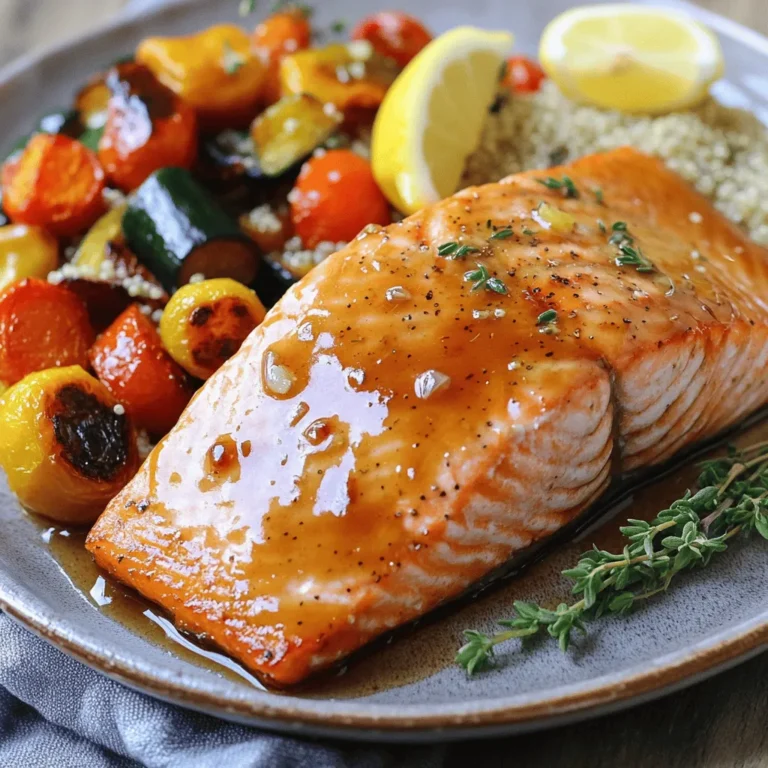
- 4 salmon fillets (6 ounces each) - 1/4 cup pure maple syrup - 2 tablespoons Dijon mustard - 2 tablespoons soy sauce (tamari for gluten-free) - 1 tablespoon extra virgin olive oil - 2 cloves garlic, finely minced - 1 tablespoon freshly squeezed lemon juice - Salt and pepper to taste - Fresh sprigs of thyme or chopped parsley for garnish Gathering the right ingredients is key for this recipe. You will need fresh salmon fillets. Look for ones that are bright in color. The maple syrup gives a lovely sweetness. Dijon mustard adds a nice tang. Soy sauce brings depth. Extra virgin olive oil keeps the salmon moist. Fresh garlic gives it a kick. Lemon juice brightens the dish. Don’t forget salt and pepper for seasoning. They balance all the flavors. Fresh thyme or parsley adds a pop of color. This makes your dish look even better. You can find these ingredients at any grocery store. When you have everything ready, it’s time to start cooking! Check out the Full Recipe for all the steps. - Create the Marinade: In a medium bowl, mix together the maple syrup, Dijon mustard, soy sauce, olive oil, minced garlic, and lemon juice. Whisk it well until smooth. This marinade adds great flavor and moisture. - Coat the Salmon: Place the salmon fillets in a shallow dish or a plastic bag. Pour the marinade over the salmon. Make sure each piece is well coated. Cover the dish or seal the bag and refrigerate for 30 minutes to 2 hours. This time helps the flavors soak into the fish. - Preheat the Oven: Set your oven to 400°F (200°C). This high heat will help caramelize the glaze on the salmon. - Prepare the Baking Sheet: Line a baking sheet with parchment paper or grease it lightly. This makes cleanup easy. Remove the salmon from the marinade, but save the leftover marinade for later. Place the fillets skin-side down on the baking sheet. - Bake the Salmon: Put the baking sheet in the oven and bake for 12-15 minutes. The time depends on how thick your fillets are. Every 5 minutes, brush the salmon with the reserved marinade. This keeps it moist and flavorful. - Check for Doneness: The salmon is done when it flakes easily with a fork. It should reach an internal temperature of 145°F (63°C). - Garnish and Serve: Once baked, take the salmon out of the oven and let it rest for about a minute. Before serving, add fresh thyme or chopped parsley for a pop of color. Enjoy your delicious Maple Dijon Glazed Salmon! For the full recipe, visit the earlier section. Achieving a Balanced Flavor To make a great glaze, mix the maple syrup and Dijon mustard well. The sweet syrup balances the tangy mustard. Use fresh garlic for an extra kick. This mix will coat the salmon nicely. Taste it before you use it. Adjust salt and pepper to your liking. Ensuring Even Cooking Even cooking is key for the best salmon. Place fillets skin-side down on the baking sheet. Space them apart so heat moves around. Brush the glaze over the salmon every five minutes. This keeps the fish moist and tasty. Choosing Fresh Salmon When picking salmon, look for bright colors. The flesh should be firm and shiny. Avoid fish with a strong fishy smell. Fresh salmon makes a big difference in taste. If you can, ask your fishmonger for the catch of the day. Sustainable Seafood Options Choose salmon from sustainable sources. Look for labels like "wild-caught" or "responsibly farmed." These choices help protect our oceans. They also ensure the fish is healthy and tasty. Pairing with Side Dishes Maple Dijon glazed salmon pairs well with many sides. Roasted vegetables add color and flavor. Quinoa or rice gives a nice base. You can also serve it with a fresh salad for crunch. Presentation Tips For a beautiful plate, use a warm, white dish. Add a colorful side, like green beans or carrots. Drizzle any leftover glaze over the fish. Finish with a lemon wedge for a fresh look. This makes your meal not just tasty but also pretty! {{image_4}} You can change the taste of your Maple Dijon Glazed Salmon with a few tweaks. Adding spices or herbs can make a big difference. Try adding red pepper flakes for heat. A pinch of smoked paprika can add depth. Fresh herbs like dill or basil can bring a bright note. Different sweeteners can also change the flavor. Instead of maple syrup, use honey or agave nectar. Each sweetener adds its unique touch. Experiment to find your favorite mix. You can cook this salmon in different ways. Grilling gives it a smoky flavor. Brush the fillets with the marinade while grilling. Baking is easier and keeps the salmon moist. Both methods work well, so choose what you like. Other cooking techniques include broiling or pan-searing. Broiling cooks the salmon from above, giving it a crispy top. Pan-searing adds a nice crust while keeping the inside tender. Try these methods for variety. If you need gluten-free options, use tamari instead of soy sauce. It has a similar taste and works great in the glaze. For dairy-free options, this recipe is already dairy-free. Enjoy it without worrying about milk or cream. You can also swap out the salmon. Try using trout or cod. Each fish has its flavor and texture. Adjust the cooking time based on thickness. Feel free to add your twist to this delicious dish! For the full recipe, check out the notes above. - To store leftovers, place salmon in an airtight container. - Keep the container in the fridge. - The recommended shelf life for cooked salmon is 3 days. - For freezing, wrap the salmon in plastic wrap. - Place it in a freezer-safe bag or container. - It can last up to 3 months in the freezer. - When reheating, use the oven for best results. - Preheat the oven to 350°F (175°C). - Place the salmon on a baking sheet and cover it with foil. - Heat for about 10-15 minutes, or until warmed through. Yes, you can prepare the marinade ahead. Just mix the maple syrup, Dijon mustard, soy sauce, olive oil, garlic, and lemon juice in a bowl. Store it in the fridge for up to three days. This saves time on busy days! Salmon is ready when it flakes easily with a fork. The internal temperature should reach 145°F (63°C). If you can gently pull apart the layers, it’s done. I often check it at the thickest part to be sure. Many sides go well with this dish. Try roasted vegetables, quinoa, or a fresh salad. Garlic mashed potatoes and steamed asparagus also work great. They balance the sweet and tangy glaze nicely. Absolutely! You can use trout, tilapia, or even halibut. Just keep an eye on the cooking time. Thinner fish may cook faster, while thicker ones may need more time. Adjust the bake time as needed. For grilling, preheat your grill to medium heat. Use the same marinade and marinate the fish as usual. Place the salmon skin-side down on the grill. Cook for about 6-8 minutes on each side. Baste it with marinade for added flavor. Enjoy the smoky taste! This post covers a delicious Maple Dijon Glazed Salmon recipe. You learned about key ingredients and how to prepare the dish step by step. Tips on flavor balance and cooking methods ensure great results. I shared variations and storage tips to help you get the most out of your meal. Enjoying a healthy dinner can be simple and tasty. Now, get cooking and impress your family!

Maple Dijon Glazed Salmon Flavorful and Easy Recipe

Read More Maple Dijon Glazed Salmon Flavorful and Easy RecipeContinue

- 4 salmon fillets (6 oz each, skin-on for added flavor) - 4 tablespoons unsalted butter, softened to room temperature - 4 cloves garlic, finely minced - 2 tablespoons fresh parsley, finely chopped - 1 tablespoon fresh dill, finely chopped - 1 tablespoon freshly squeezed lemon juice - Salt and freshly ground black pepper, to taste - Lemon wedges (for serving) - Optional: additional fresh herbs (like basil or chives) for garnish When you prepare garlic herb butter salmon, quality ingredients matter. I always choose skin-on salmon fillets. The skin adds rich flavor and helps keep the fish moist while cooking. For the butter, use unsalted. This lets you control the salt level, making a big difference in taste. Garlic is the star here. I like to finely mince the garlic cloves. This ensures the flavor spreads evenly. Fresh herbs bring brightness to the dish. Parsley and dill work well together. They add freshness that balances the richness of the salmon. Lemon juice adds a zesty kick. I always use fresh lemon juice for the best flavor. The seasoning is simple. Just salt and black pepper to taste. I recommend tasting as you go to find your perfect balance. For serving, I often add lemon wedges. They brighten up the plate and give a fresh burst of flavor when squeezed on top. If you want to impress, add extra fresh herbs like basil or chives for garnish. This not only looks beautiful but enhances the flavor too. For the full recipe, check out the detailed instructions to bring this dish to life. - Preheat your oven to 400°F (200°C). - Line a baking sheet with parchment paper or aluminum foil. - In a mixing bowl, combine softened butter, minced garlic, chopped parsley, and dill. - Add lemon juice and seasoning. - Blend the ingredients until smooth. - Place salmon fillets skin-side down on the baking sheet. - Season the fillets with salt and pepper. - Spread the garlic herb butter mixture generously over the fillets. - Bake for 12-15 minutes until the salmon is opaque and flakes easily. This method ensures rich flavor in every bite. For the full recipe, check out the details. To get the best salmon, start with dry fillets. Pat them down with a paper towel. This helps the fish brown nicely and gives it a great texture. If your fillets are thick, you may need to cook them a bit longer. Thin fillets will bake faster, so keep an eye on them. You can make your meal even better by adding sides. Steamed veggies or rice pair well with the salmon. For a beautiful touch, use fresh herbs to garnish your dish. They not only look nice but also add extra flavor. Enjoy your meal with a squeeze of lemon for a bright finish. For the full recipe, check out the complete details above. {{image_4}} You can change the herbs in this recipe for a twist. Try using basil, chives, or tarragon. Each herb brings a unique taste to the dish. If you like a little heat, sprinkle in some red pepper flakes. This small addition can make a big difference. There are more ways to cook this salmon. Grilling it gives a nice smoky flavor. You can also pan-sear it for a crisp finish. Another fun method is using a foil packet. This method locks in moisture and infuses the salmon with flavor. It keeps the fish juicy and tender. Try these variations to create your perfect dish. For the full recipe, check out the details above. You can store any leftover salmon in the fridge. Place it in an airtight container. It stays fresh for up to 3 days. Before you store it, let the salmon cool down. This helps keep it moist and tasty. When it’s time to eat your leftovers, you have a couple of options. You can use a microwave set on low power. This warms it up without drying it out. Another way is to gently reheat the salmon in the oven. Just avoid cooking it too long. Overheating can make the salmon tough. Enjoy your meal again with that rich garlic herb flavor! For the full recipe, check out the main article. The best types of salmon for this recipe are King salmon and Sockeye salmon. King salmon offers a rich flavor and a buttery texture. Sockeye salmon is also flavorful and has a firm, deep red flesh. Both types enhance the dish's taste and make each bite special. Yes, you can use frozen salmon fillets. However, it is important to thaw them before cooking. This helps the salmon cook evenly. To thaw, place the fillets in the fridge overnight or run them under cold water for faster results. You can tell salmon is cooked when it flakes easily with a fork. The flesh should also be opaque throughout. If you see any translucent areas, the salmon needs a bit more time. Keep an eye on it while it cooks for the best results. This post covered all the steps to make tasty baked salmon. We started with fresh ingredients like salmon, garlic, and herbs. I shared tips on baking, seasoning, and serving. Remember, the right herbs can change the flavor. You can use alternatives or different cooking methods for fun twists. Store leftovers properly for easy reheating. With these details, you’ll create delicious salmon every time. Enjoy your cooking adventures and feel free to experiment!

Garlic Herb Butter Salmon Rich and Flavorful Recipe

Read More Garlic Herb Butter Salmon Rich and Flavorful RecipeContinue

Let’s dive into what you need for this flavorful dish. Each ingredient plays a key role in making Cajun Shrimp Alfredo a true delight. - 8 oz fettuccine pasta - 1 lb large shrimp, peeled and deveined - 2 tablespoons Cajun seasoning - 2 tablespoons olive oil - 3 cloves garlic, minced - 1 cup heavy cream - 1 cup freshly grated Parmesan cheese - 1/4 cup fresh parsley, finely chopped - Salt and black pepper to taste - Lemon wedges, for a zesty garnish The fettuccine pasta gives the dish its heartiness. I prefer large shrimp because they soak up flavors well. Cajun seasoning brings the heat and spice, making this dish pop. Olive oil is perfect for sautéing the shrimp, while garlic adds depth. Heavy cream creates that rich and creamy sauce we crave. The Parmesan cheese melts in beautifully, adding a savory note. Fresh parsley adds color and freshness, while salt and black pepper enhance all the flavors. Finally, lemon wedges brighten every bite. Gather these ingredients, and let’s start cooking! For the full recipe, check the details above. Bring a large pot of salted water to a boil. The water should bubble steadily. Add the fettuccine to the pot. Cook the pasta according to the package instructions. Aim for al dente, which means it should be firm but tender. Once cooked, drain the pasta. Reserve about 1/4 cup of the pasta water. This water will help adjust the sauce later. In a medium bowl, toss the peeled and deveined shrimp with Cajun seasoning. Make sure each shrimp gets a good coating. This seasoning gives the shrimp its bold flavor. You want every bite to burst with flavor. Heat olive oil in a large skillet over medium heat. Wait until the oil shimmers before adding the shrimp. Spread the shrimp in a single layer. Cook for 2-3 minutes on each side. Look for the shrimp to turn pink and opaque. This means they are fully cooked. Once done, remove the shrimp from the skillet and keep them warm on a plate. In the same skillet, add minced garlic. Sauté it for about 30 seconds. You want it fragrant but not burnt. Next, pour in the heavy cream. Stir constantly to blend it with the garlic. Bring the mixture to a gentle simmer. Lower the heat to keep it warm without boiling. Gradually whisk in the freshly grated Parmesan cheese. Continue whisking until the cheese melts and the sauce is smooth. If the sauce is too thick, add some of the reserved pasta water. This helps you reach your desired consistency. Add the cooked fettuccine and shrimp back into the skillet. Toss everything together, ensuring the pasta and shrimp are well coated with sauce. Taste and season with salt and black pepper if needed. Remove the skillet from the heat. Stir in the freshly chopped parsley for color and freshness. Plate the Cajun Shrimp Alfredo right away. Garnish with lemon wedges for a zesty finish. This adds a nice pop of flavor and brightness to your dish. For a lovely presentation, serve the pasta in deep bowls. Place shrimp on top and sprinkle with more parsley. Enjoy your flavorful and creamy delight! For the full recipe, check the details above. Seasoning is key to great Cajun Shrimp Alfredo. The right spices bring warmth and depth. I love using Cajun seasoning for its bold taste. It includes paprika, garlic powder, and cayenne pepper. You can adjust the heat to your liking. Fresh ingredients make a big difference too. Use plump shrimp and fresh garlic. This ensures each bite bursts with flavor. One common mistake is overcooking shrimp. Shrimp cooks fast, so watch them closely. They should turn pink and opaque in just a few minutes. If you cook them too long, they’ll become rubbery. Another mistake is the sauce consistency. A sauce that is too thick can overpower the dish. Too thin, and it won't coat the pasta well. Aim for a creamy texture that clings to every strand. If your sauce is too thick, use reserved pasta water. Add it a little at a time until you reach the right consistency. This also helps the sauce stick to the pasta better. If it’s too thin, add a bit more cheese. Grated Parmesan works wonders for thickening. Balancing flavors is crucial too. Taste as you go, and adjust with salt or lemon juice. This brightens the dish and enhances the overall taste. For the Full Recipe, check your favorite cooking site! {{image_4}} You can swap shrimp for other seafood. Scallops or crab meat taste great too. If you prefer meat, use chicken or sausage. Each option offers a unique twist. You can also change the pasta type. Fettuccine is the classic choice, but penne or linguine work well too. Whole wheat or gluten-free pasta is an option for different diets. Just be sure to adjust cooking times. If you want less spice, use less Cajun seasoning. Start with one tablespoon and taste as you go. You can also add a touch of paprika for flavor without heat. For more heat, try adding cayenne pepper or crushed red pepper flakes. A little goes a long way, so add slowly. Adjusting the spice lets you customize the dish to your taste. Adding vegetables can make this dish even better. You can toss in bell peppers, spinach, or broccoli. They add color and nutrients while keeping it tasty. For more protein options, think about adding tofu or chickpeas. These options provide great texture and flavor. Don't hesitate to mix and match to find your favorite version of Cajun Shrimp Alfredo. For the full recipe, click here: [Full Recipe]. To keep your Cajun Shrimp Alfredo fresh, store it in the fridge. Use airtight containers to prevent moisture loss. Make sure the dish cools down before sealing it. This way, you can avoid soggy pasta. I recommend dividing the leftovers into smaller portions. This makes it easier to reheat only what you need. When you are ready to enjoy your leftovers, use the stovetop or microwave for reheating. The stovetop gives you better control over the heat. Heat it in a skillet on low. Stir it often to warm evenly. If it looks too thick, add a splash of milk or cream to loosen it up. The microwave works too, but be cautious. Heat in short bursts. Stir between each burst to avoid hot spots. Yes, you can freeze Cajun Shrimp Alfredo! However, the shrimp may change texture after freezing. To freeze, let the dish cool completely. Then, pack it in a freezer-safe container or bag. Remove as much air as possible to prevent freezer burn. When you are ready to eat, thaw it in the fridge overnight. Reheat as mentioned before to bring back the creamy goodness. For the best taste, try to eat it within three months. For the complete cooking experience, check out the Full Recipe. Cajun Shrimp Alfredo is a creamy pasta dish that blends Italian and Cajun flavors. It features tender shrimp, seasoned with a mix of spices, served in a rich Alfredo sauce. This dish has roots in both Cajun cooking and classic Italian cuisine. The combination of heat and creaminess makes it a favorite for many. Yes, you can use different pasta types! While fettuccine is traditional, you can try linguine, penne, or even spaghetti. Each pasta shape will hold the sauce differently, giving a unique taste experience. Choose your favorite pasta based on texture and how it pairs with the sauce. The spice level of Cajun Shrimp Alfredo largely depends on the Cajun seasoning you use. Cajun seasoning can range from mild to hot. If you prefer less heat, start with a smaller amount of seasoning. You can always add more to suit your taste. This dish should be flavorful without overwhelming your palate. You can prep elements ahead of time. Cook the pasta and shrimp separately, then store them in the fridge. Make the sauce fresh when you're ready to eat. This keeps the pasta from becoming soggy. If you need to reheat, do so gently to maintain its creamy texture. Cajun Shrimp Alfredo pairs well with several side dishes. Consider a simple green salad with a lemon vinaigrette. Garlic bread is also a great choice for scooping up that creamy sauce. For a heartier meal, you can serve it with roasted vegetables or steamed asparagus to add some crunch. This blog post guides you through making Cajun Shrimp Alfredo. You learned about essential ingredients, cooking techniques, and storage tips. I hope the simple steps help you create a tasty meal. Remember, fresh ingredients and proper seasoning boost flavor. Avoid common mistakes like overcooking the shrimp. If you change the ingredients, you still keep the dish delicious. With practice, you’ll master this recipe. Enjoy sharing this meal with friends and family!

Cajun Shrimp Alfredo Flavorful and Creamy Delight

Read More Cajun Shrimp Alfredo Flavorful and Creamy DelightContinue

To make Lemon Butter Shrimp Pasta, gather these items: - 8 oz linguine or spaghetti - 1 lb large shrimp, peeled and deveined - 4 tablespoons unsalted butter - 3 cloves garlic, minced - Zest and juice of 1 large lemon - 1/2 teaspoon crushed red pepper flakes (optional) - Salt and freshly ground black pepper, to taste - 1/4 cup fresh parsley, finely chopped - Grated Parmesan cheese for serving (optional) If you need substitutes, here are some ideas: - Use fettuccine instead of linguine or spaghetti. - Swap shrimp for scallops or chicken. - Use olive oil in place of butter for a lighter dish. - Fresh garlic can be replaced with garlic powder, but use less. To ensure great taste, focus on freshness: - Buy shrimp that smells clean, like the ocean. - Look for shrimp with a firm texture and a slight sheen. - Choose fresh parsley with vibrant green leaves. - Use fresh lemons for the best flavor, avoiding dried or bottled juice. These tips help create a dish that is as delightful as it is simple. For the complete recipe, refer to the [Full Recipe]. Start by boiling a large pot of salted water. Once it bubbles, add 8 oz of linguine or spaghetti. Cook until the pasta is al dente. This usually takes about 8 to 10 minutes. Before draining, save 1/2 cup of the pasta water. Drain the pasta and put it in a big bowl. In a large skillet, melt 2 tablespoons of unsalted butter over medium heat. When the butter bubbles, add 1 lb of peeled and deveined shrimp. Sprinkle salt, black pepper, and crushed red pepper flakes if you want some heat. Cook the shrimp for 3 to 4 minutes until they turn pink and opaque. Take the shrimp out and set them aside on a plate. In the same skillet, add 2 more tablespoons of unsalted butter. Then, add 3 cloves of minced garlic. Sauté for about a minute. You want the garlic fragrant but not browned. Next, stir in the zest and juice of 1 large lemon. Mix well until combined. Now, add the cooked pasta to the skillet with the lemon garlic sauce. Toss gently to coat the noodles. If it feels dry, add a little of the reserved pasta water. Keep tossing until the pasta reaches a creamy texture. Fold in the cooked shrimp and 1/4 cup of chopped parsley. Make sure everything is evenly mixed. Taste the dish. Adjust the flavor with extra salt or black pepper if needed. Serve the pasta hot in shallow bowls. For a nice touch, add extra parsley and a sprinkle of grated Parmesan cheese on top. To cook shrimp just right, time is key. You want shrimp to turn pink and opaque. This usually takes about 3 to 4 minutes on medium heat. If you overcook them, they become tough. Keep an eye on them while they sauté. If they curl tightly, they are likely overdone. Take them out as soon as they are done. Lemon is the star of this dish. Zest and juice both bring bright flavor. Start with just the juice of one lemon. Taste the pasta sauce before adding more. If it’s too sour, add a pinch of sugar. This helps balance the flavors. You can also add more butter to soften the lemon taste. Sometimes things don’t go as planned. If your sauce is too thick, add some of the reserved pasta water. This will help loosen it up. If the shrimp seems bland, sprinkle a little more salt. For a bit of heat, add extra crushed red pepper flakes. Just remember to adjust slowly and taste often. For the full recipe, check out the detailed instructions. {{image_4}} You can make this dish even better by adding veggies. Spinach, cherry tomatoes, and bell peppers work well. Just sauté them with the shrimp for a quick cook. For a fresh crunch, try adding arugula or zucchini at the end. This boosts flavor and nutrition. If you want to switch up the protein, consider using scallops or chicken. Scallops cook fast like shrimp. Just remember to adjust the cook time. Chicken needs a bit longer. Cut it into small pieces to ensure even cooking. You can also use tofu for a vegetarian option. If you need a gluten-free option, swap regular pasta for gluten-free pasta. Rice noodles or zucchini noodles are great choices. They absorb the sauce well and keep the dish light. Always check labels to ensure your ingredients are gluten-free. To keep your lemon butter shrimp pasta fresh, store it in an airtight container. Place it in the fridge within two hours of cooking. It will stay good for up to three days. When you’re ready to eat, check for any signs of spoilage, like a sour smell or unusual texture. You can freeze this dish for longer storage. Allow the pasta to cool completely before freezing. Use a freezer-safe container or bag, and try to remove as much air as possible. It can last in the freezer for about two months. When you are ready to enjoy it, thaw it in the fridge overnight. For reheating, use the stovetop for best results. Place the pasta in a skillet over medium heat. Add a splash of water or broth to help revive the sauce. Stir often until heated through. You can also use the microwave, but be sure to cover it to keep moisture in. Heat it in short bursts, stirring in between. This will help keep the pasta from drying out. For extra flavor, add a squeeze of fresh lemon juice before serving. For a full recipe, check out the details above! To make Lemon Butter Shrimp Pasta, start by cooking the pasta. Boil salted water, add linguine or spaghetti, and cook until al dente. Reserve some pasta water before draining. Next, melt butter in a skillet over medium heat. Add shrimp, season with salt and pepper, and sauté until pink. Remove shrimp and cook garlic in the same skillet. Add lemon zest and juice, then return the pasta and shrimp. Toss everything together, adding reserved pasta water as needed. Finish with parsley and serve hot. For the complete recipe, check the Full Recipe section. You can serve Lemon Butter Shrimp Pasta with a fresh green salad or garlic bread. A light, crisp white wine pairs well too. For added flavor, consider a side of roasted vegetables. These options enhance the meal and balance the rich flavors. Yes, you can use frozen shrimp. Just thaw them before cooking. Place the shrimp in cold water for about 15-20 minutes. After they are thawed, peel and devein if needed. This allows you to enjoy this dish even when shrimp is not fresh. To prevent pasta from sticking, use plenty of water when boiling. Stir the pasta during the first few minutes of cooking. Drain it well and toss it with a little olive oil after draining. This keeps the noodles separate and ready for the sauce. Linguine and spaghetti are the best choices for this dish. They hold the sauce well and complement the shrimp. You can also try fettuccine for a thicker noodle. Choose a pasta that you enjoy, as it can enhance your overall experience. In this blog post, I covered the key ingredients for Lemon Butter Shrimp Pasta and offered tips on making it shine. You learned how to cook shrimp perfectly and balance that bright lemon flavor. I shared variations to suit your taste and provided essential storage info for leftovers. With these steps, you can create a delicious meal. Try new ingredients or variations to keep things exciting. Enjoy making this dish and impressing your family and friends!

Lemon Butter Shrimp Pasta Delightful and Simple Recipe

Read More Lemon Butter Shrimp Pasta Delightful and Simple RecipeContinue

- 1 cup orzo pasta - 2 tablespoons extra virgin olive oil - 4 cloves garlic, finely minced - 3 cups vegetable broth - 1 cup fresh spinach, chopped - 1/2 cup freshly grated Parmesan cheese - 1 teaspoon lemon zest - Salt and black pepper to taste - Fresh parsley for garnish The star of this dish is orzo pasta. It’s small and cooks fast. I love how it soaks up flavors. The extra virgin olive oil adds a rich taste. Garlic is key here too; it brings a warm aroma. I prefer fresh garlic, as it packs a punch. The vegetable broth makes this dish savory and adds depth. Fresh spinach gives color and nutrients. Parmesan cheese gives that creamy finish. Lemon zest brightens everything up. A dash of salt and pepper helps balance the flavors. - Red pepper flakes for added spice - Additional vegetables (e.g., cherry tomatoes, peas) If you like heat, add red pepper flakes. They give a nice kick. You can also toss in more veggies. Cherry tomatoes add sweetness, while peas bring a pop of color. These extras make the dish even more fun. - Caloric value per serving - Key nutrients present Each serving of Garlic Parmesan Orzo has around 250 calories. It's rich in carbohydrates, which gives you energy. The spinach adds iron and vitamins. Parmesan brings protein and calcium. This dish is not just tasty, it’s also good for you! For the full recipe, check out Garlic Parmesan Orzo Delight. 1. In a medium pot, bring 3 cups of vegetable broth to a rolling boil. 2. Once boiling, add 1 cup of orzo pasta. Cook it until al dente, which takes about 8-10 minutes. Stir it occasionally to prevent sticking. 1. While the orzo cooks, heat 2 tablespoons of extra virgin olive oil in a large skillet over medium heat. 2. Add 4 cloves of finely minced garlic to the skillet. Sauté it for about 1 minute. The garlic should smell fragrant, but don’t let it brown. 1. Once the orzo is cooked, reserve about 1/2 cup of the broth. Drain the rest. 2. Add the cooked orzo to the skillet with the garlic. 3. Pour in the reserved broth and stir gently to combine. 4. Next, add 1 cup of roughly chopped fresh spinach to the skillet. Cook for 2-3 minutes until the spinach wilts. 5. Remove the skillet from heat, then fold in 1/2 cup of freshly grated Parmesan cheese and 1 teaspoon of lemon zest. 6. Season to taste with salt and freshly cracked black pepper. 7. Transfer the garlic Parmesan orzo to a serving dish. Garnish with fresh parsley for a pop of color. For the full recipe, check out the detailed instructions above. Enjoy your flavorful and simple side dish! - How to avoid overcooking orzo: Keep a close eye on the orzo as it cooks. Stir it often to prevent sticking. Start checking for doneness a minute or two before the package time ends. You want it al dente, which means it should still have a little bite. - Tips for perfectly sautéed garlic: Use a medium heat for your skillet. Add minced garlic and stir constantly. Cook it for about one minute until it smells great. Be careful not to let it brown, as this can make it taste bitter. - Best practices for garnishing: Always garnish your dish right before serving. Fresh parsley adds a nice color and flavor. A sprinkle of extra Parmesan on top makes it even better. - Suggested pairings: Garlic Parmesan orzo pairs well with a light salad or grilled chicken. You can also serve it with roasted vegetables for a balanced meal. - How to store leftovers: Let the orzo cool to room temperature. Then, place it in an airtight container. Store it in the fridge for up to three days. - Reheating recommendations: When reheating, add a splash of vegetable broth to prevent it from drying out. Heat on low in a skillet or microwave until warm. For the full recipe, check out the Garlic Parmesan Orzo Delight. {{image_4}} You can easily adapt Garlic Parmesan Orzo to fit a vegetarian diet. One way is by substituting different greens. Instead of spinach, try kale or arugula. Both add unique flavors and textures. You can also boost protein by adding beans or tofu. These options make the dish heartier and more filling. Want to change the flavor profile? Experiment with herbs and spices. Fresh basil or thyme can bring a new twist. You can also add a splash of lemon juice for extra tanginess. This brightens the dish and enhances the garlic and cheese. Don't be afraid to get creative! If you need a gluten-free option, use gluten-free pasta. Many brands offer orzo made from rice or quinoa. Just remember to adjust the cook times. Gluten-free pasta may cook faster than regular orzo. Keep an eye on it to ensure it doesn’t get mushy. For the full recipe, check out [Full Recipe]. Garlic Parmesan Orzo is a tasty and easy side dish. It combines orzo pasta with garlic, cheese, and fresh spinach. This dish is perfect for any meal. You can enjoy it with chicken, fish, or even as a main dish. - Prep Time: 10 minutes - Total Time: 20 minutes - Servings: 4 Serve the orzo in warm bowls. This keeps it cozy and inviting. You can add extra Parmesan on top for flavor. A sprinkle of fresh parsley adds color. For a complete meal, pair it with a light side salad or grilled vegetables. You can also try it alongside roasted chicken or fish for a balanced plate! Making Garlic Parmesan Orzo is quick and easy. You will need about 10 minutes to prep. Cooking takes around 10 minutes. So, in total, it takes about 20 minutes. This dish is perfect for busy nights when you need a tasty side fast. Yes, you can make Garlic Parmesan Orzo ahead of time. Prepare it a few hours before serving. Just store it in an airtight container in the fridge. When you are ready to eat, reheat it gently on the stove. Add a splash of broth or water to keep it moist. Absolutely! This Garlic Parmesan Orzo works well for meal prep. You can portion it into containers. Store in the fridge for up to four days. It reheats easily, making it a great side for any meal. You can even add different proteins or veggies to mix things up! This blog post shared a simple Garlic Parmesan Orzo recipe. You learned about the main ingredients and optional add-ins. I detailed preparation and cooking steps to make your dish shine. Tips and variations catered to your taste and dietary needs. Cooking orzo should be fun and easy. You can experiment with flavors while enjoying a hearty meal. Remember, this recipe is flexible and can fit many diets. Enjoy making your orzo, and share it with friends and family!

Garlic Parmesan Orzo Flavorful and Simple Side Dish

Read More Garlic Parmesan Orzo Flavorful and Simple Side DishContinue

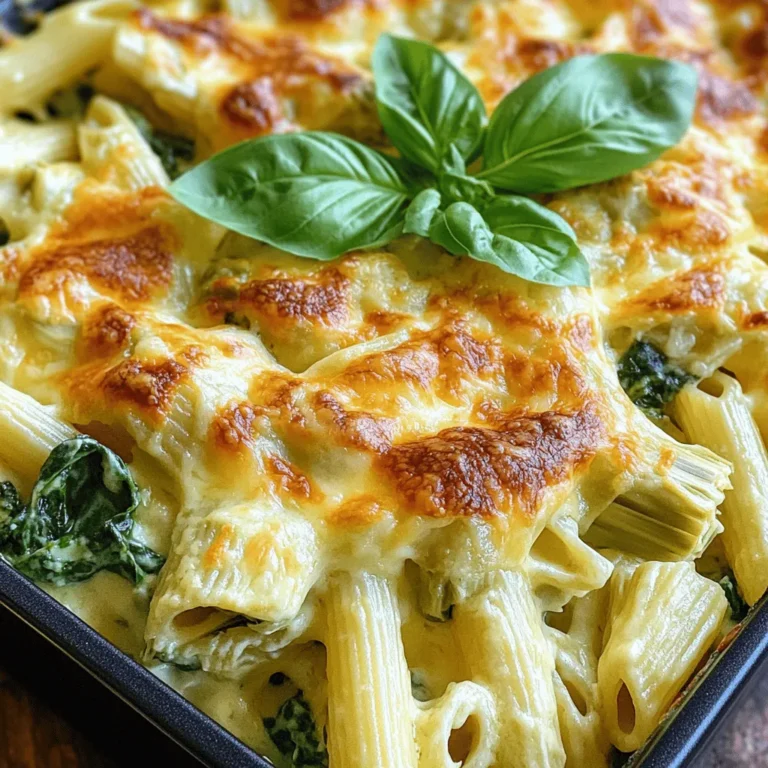
To make the Spinach Artichoke Pasta Bake, gather these ingredients: - 8 oz (about 2 cups) uncooked penne pasta - 1 can (14 oz) artichoke hearts, drained and finely chopped - 2 cups fresh spinach, roughly chopped - 1 cup cream cheese, brought to room temperature - 1 cup sour cream - 1 cup mozzarella cheese, shredded (plus more for topping) - ½ cup grated Parmesan cheese (plus more for topping) - 2 cloves garlic, minced - ½ teaspoon onion powder - ½ teaspoon garlic powder - Salt and black pepper, to taste - 1 tablespoon olive oil, for greasing - Fresh basil leaves, for garnish (optional) You might want to swap some ingredients. Here are a few ideas: - Use rotini or fusilli pasta for a different shape. - Greek yogurt can replace sour cream for a tangy touch. - For a lighter option, use low-fat cream cheese. - Add more veggies like bell peppers or mushrooms for extra flavor. - If you love spice, toss in crushed red pepper flakes. Make sure you have these tools ready: - A large pot for boiling pasta - A mixing bowl for the creamy base - A spatula for mixing - A 9x13 inch baking dish for baking - An oven for cooking With these ingredients and tools, you're all set to create a delicious Spinach Artichoke Pasta Bake! For the full recipe, check out the detailed steps in the recipe section. First, set your oven to 375°F (190°C). This step helps the pasta bake cook evenly. Next, fill a large pot with water and add salt. Bring the water to a rolling boil. Once boiling, add 8 oz of uncooked penne pasta. Cook it until it is just right, or al dente, following the package guide. After that, drain the pasta and put it aside for later. In a big mixing bowl, add 1 cup of cream cheese and 1 cup of sour cream. Make sure the cream cheese is soft. This helps in mixing. Next, toss in 2 cloves of minced garlic, ½ teaspoon onion powder, and ½ teaspoon garlic powder. Don’t forget a good pinch of salt and black pepper. Use a spatula or whisk to blend until it looks smooth and creamy. Now, it’s time to add some color and flavor! Fold in 1 can of drained and finely chopped artichoke hearts and 2 cups of roughly chopped fresh spinach. Add half of the shredded mozzarella and half of the grated Parmesan cheese, too. Mix gently until everything is combined. Then, add the cooked penne pasta to the creamy mix. Stir with a spatula until every piece of pasta is coated well. Once mixed, lightly grease a 9x13 inch baking dish with 1 tablespoon of olive oil. Pour the pasta mixture into the dish and spread it out evenly. Sprinkle the rest of the mozzarella and Parmesan cheese on top for a cheesy finish. Now, place it in the oven and bake for 25-30 minutes. You’ll know it’s done when the top is golden and bubbly. After baking, let it cool for about 5 minutes. You can then garnish with fresh basil leaves, if you want. Enjoy this creamy delight! For the full recipe, check out the details above. To get the best texture, cook your pasta until it is al dente. This means it should be firm and slightly chewy. Overcooked pasta can become mushy in the bake. Once you drain the pasta, do not rinse it. This keeps the starch, helping the sauce stick. Mix the creamy base and pasta gently. You want to coat each piece without breaking it. One common mistake is not using enough seasoning. Salt brings out the flavors. Use a generous pinch when mixing the creamy base. Another big mistake is skipping the resting time. Letting the bake sit for five minutes after cooking allows the flavors to blend. This makes each bite taste better. Lastly, don't skimp on cheese. More cheese means more flavor and a delightful crust. Add a squeeze of lemon juice for a bright flavor boost. You can also mix in some red pepper flakes for heat. Want a smoky taste? Try adding smoked paprika. Fresh herbs like thyme or parsley can add freshness. For a twist, consider adding sun-dried tomatoes. These small changes can make your dish unique. For the full recipe, check out the recipe section. {{image_4}} You can make this dish even more veggie-friendly. Try adding different vegetables like bell peppers, mushrooms, or zucchini. These will add color and flavor. You can also use different greens like kale or Swiss chard instead of spinach. This keeps the dish fresh and fun! If you want to add protein, cooked chicken or shrimp work great. You can also use beans or lentils for a plant-based option. Just mix them in with the creamy base. This makes the dish more filling and adds a nice texture. To make this recipe gluten-free, use gluten-free pasta. There are many options available now that taste great. Just follow the same cooking instructions as you would for regular pasta. With these changes, everyone can enjoy this delicious meal. If you want the full recipe, check out the Spinach Artichoke Pasta Bake! To store your leftover Spinach Artichoke Pasta Bake, let it cool first. Once it’s cool, cover it tightly with plastic wrap or aluminum foil. You can also use an airtight container. Store it in the fridge. It stays fresh for about 3 to 5 days. When you're ready to enjoy the leftovers, preheat the oven to 350°F (175°C). Place the pasta bake in an oven-safe dish. Cover it with foil to keep it moist. Bake for about 20 minutes, or until heated through. If you want a crispy top, remove the foil for the last 5 minutes. You can also reheat it in the microwave. Use a microwave-safe dish and heat in 1-minute intervals, stirring in between. If you wish to freeze the pasta bake, do it before baking for the best results. Assemble the dish and cover it tightly with plastic wrap, then aluminum foil. Label it with the date. It can stay in the freezer for up to 2 months. To bake from frozen, preheat the oven to 375°F (190°C) and bake for about 45-60 minutes. Check for a bubbly top to know it’s ready! For a quicker option, thaw it in the fridge overnight before baking. You can refer to the Full Recipe for guidance on preparation. Yes, you can make this dish ahead of time. Prepare the entire recipe up to the baking step. Cover it tightly and store it in the fridge. You can bake it later, right before serving. Just allow extra time for cooking if it starts cold. This pasta bake pairs well with many sides. Here are some ideas: - A fresh green salad with vinaigrette. - Garlic bread for a crunchy side. - Roasted veggies for more flavors. - A simple fruit salad for a sweet touch. These sides help balance the creamy pasta bake. To adjust servings, you can change the amount of pasta. For smaller servings, cut the ingredients in half. For larger servings, double the recipe. Keep in mind that baking time may change. Always check for that golden top! For exact measurements, refer to the Full Recipe. This blog post covered the key ingredients for a tasty Spinach Artichoke Pasta Bake. We looked at options for substitutions and the equipment you need. I shared step-by-step instructions on prepping, creating the creamy base, and combining it all together. You learned tips for great texture and common mistakes to avoid. There are also variations for dietary needs, plus storage and reheating instructions. Now, you have all the tools you need to make this dish a hit. Enjoy your cooking!

Spinach Artichoke Pasta Bake Delightful and Simple

Read More Spinach Artichoke Pasta Bake Delightful and SimpleContinue

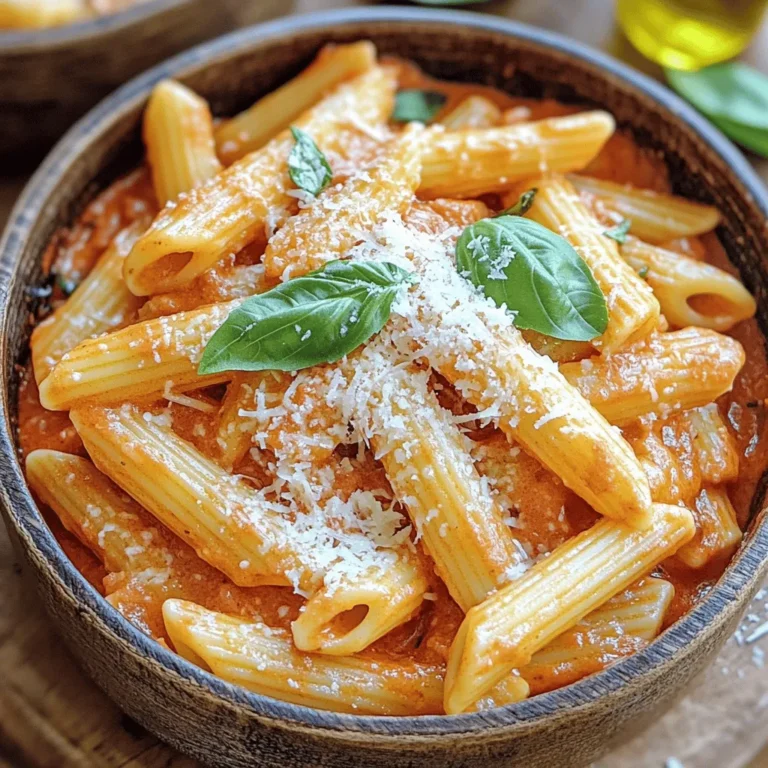
- Pasta choices: You can use penne or fusilli for this recipe. Both pasta types hold the sauce well. - Tomato base: Crushed tomatoes are key for a rich flavor. They create a nice, thick sauce. - Broth options: Vegetable broth adds depth to the dish. It enhances the overall taste. - Cream alternatives: You can use heavy cream for richness. Coconut cream works well for a dairy-free version. - Spice and seasoning components: Use dried oregano and dried basil for classic Italian flavors. Red pepper flakes add a spicy kick. Season with salt and black pepper to taste. This One Pot Creamy Tomato Pasta is simple and fun to make. You can find the full recipe at the end of this article. 1. Start with a large pot on medium heat. 2. Add a splash of olive oil. 3. Once hot, add the chopped onion. Sauté for 3-4 minutes until soft. 4. Next, add minced garlic and stir for 1 minute. It should smell great! 5. Now, pour in the crushed tomatoes and vegetable broth. 6. Add the uncooked pasta. Stir well to submerge it. 7. Sprinkle in the dried oregano, dried basil, and optional red pepper flakes. 8. Season with salt and pepper. 1. Bring the mixture to a boil. 2. Once boiling, reduce the heat to a gentle simmer. 3. Cover the pot and cook for 12-15 minutes. 4. Stir occasionally to stop sticking. Cook until the pasta is tender and al dente. 1. When the pasta is cooked, lower the heat. 2. Stir in the heavy cream or coconut cream. 3. Add the grated Parmesan cheese. Mix until the cheese melts. 4. Taste the sauce. Adjust salt and pepper to your liking. Serve in bowls with fresh basil on top. A sprinkle of Parmesan adds flair! Enjoy warm for the best taste. For the full recipe, check the details above. To get a creamy sauce, start with the right cream. Heavy cream gives richness. If you prefer a lighter option, use coconut cream. Stir in the cream at the end. This keeps the sauce smooth and thick. Blend well to mix in the cheese. To avoid the pasta sticking, stir often while cooking. This helps keep the pasta separate. Use a large pot with plenty of broth. It gives the pasta space to move. If you notice some sticking, add a splash of water or broth. This will loosen it up. For serving, place the creamy tomato pasta in nice bowls. Sprinkle fresh basil on top for color. A little extra Parmesan cheese adds a lovely touch. Drizzle a bit of olive oil for shine and flavor. Pair this dish with a crisp salad or garlic bread. A light white wine also works well. It balances the creaminess of the pasta. Enjoy this simple yet tasty delight with friends and family! For the full recipe, check out the details above. {{image_4}} To make this dish vegan, you can easily swap a few key ingredients. Instead of heavy cream, use coconut cream for a rich, creamy texture. For the cheese, opt for nutritional yeast to keep that savory flavor. You can also add extra veggies to boost nutrition. Spinach, bell peppers, or zucchini will work well. Toss these in when you add the crushed tomatoes. They bring color and taste to your pasta. Want to jazz up your dish? Try adding different herbs and spices. Fresh basil or parsley can add brightness. A dash of thyme or rosemary gives depth. If you love heat, mix in more red pepper flakes. For a spicy twist, consider a splash of hot sauce or diced jalapeños. These simple changes can turn a good dish into a great one. Enjoy experimenting with flavors! After you enjoy your One Pot Creamy Tomato Pasta, store leftovers in an airtight container. This keeps it fresh and tasty. Place the container in the fridge. It will last for about 3 to 5 days. To freeze, use freezer-safe bags or containers. Remove as much air as possible. This helps prevent freezer burn. You can freeze it for up to 3 months. When you want to enjoy your pasta again, reheat it gently. You can use the stove or microwave. If you use the stove, add a splash of water or broth. This keeps it moist. Heat on low and stir often. If you choose the microwave, cover it to trap steam. This helps the pasta warm evenly. Avoid common mistakes like reheating it too fast. This can make the pasta dry or tough. Always check the flavor and add a pinch of salt if needed. Enjoy those delicious bites! One Pot Creamy Tomato Pasta lasts about 3 to 4 days in the fridge. Store it in an airtight container. This helps keep the flavors fresh. When you are ready to eat, just reheat it gently. Yes, you can make One Pot Creamy Tomato Pasta ahead of time. Just prepare the dish and cool it down. Once cooled, put it in the fridge. This is great for meal prep or busy weeknights. You can serve a simple green salad with this pasta. Garlic bread pairs nicely too. For a heartier meal, add steamed vegetables. These sides balance the creaminess of the pasta and add more color to your plate. Absolutely! You can use whole wheat pasta for extra fiber. Gluten-free pasta is also a great option. Just keep an eye on the cooking time, as it might vary. Both options will taste delicious in this creamy dish. For the full recipe, check out the One Pot Creamy Tomato Pasta. In this blog post, we explored how to make a One Pot Creamy Tomato Pasta, from ingredients to tips for success. You learned about pasta choices, creamy bases, and the perfect cooking method. Don't forget the finishing touches that make this dish shine. Feel free to customize with different veggies or spices. Lastly, store any leftovers properly to enjoy later. Enjoy making this easy, tasty meal!

One Pot Creamy Tomato Pasta Simple and Tasty Delight

Read More One Pot Creamy Tomato Pasta Simple and Tasty DelightContinue

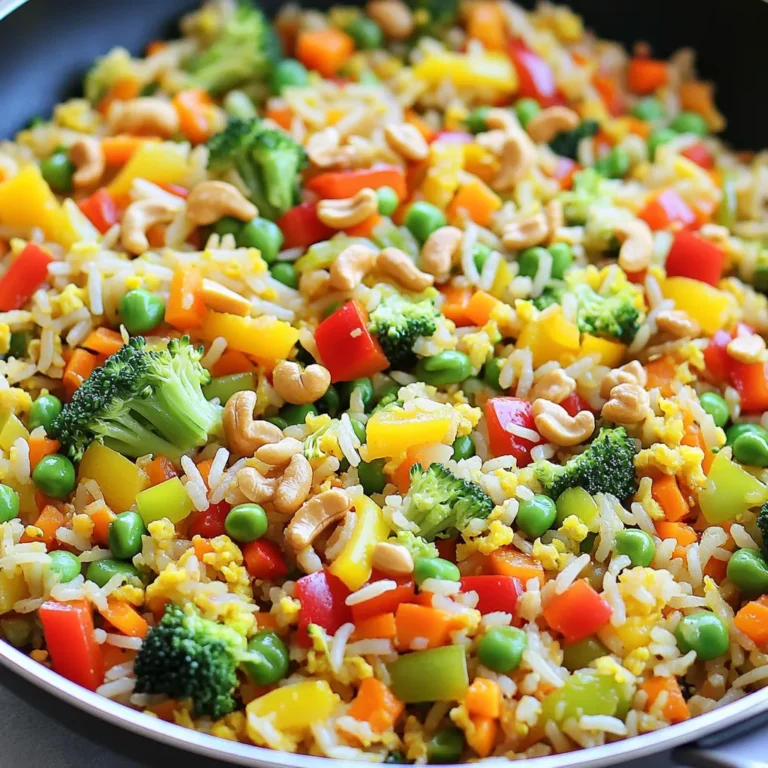
To make a tasty veggie packed fried rice, gather these key ingredients: - 2 cups cooked jasmine rice (day-old rice works best for texture) - 1 cup mixed bell peppers (red, yellow, and green), diced - 1 cup carrots, grated or finely diced - 1 cup frozen peas - 1 cup broccoli florets, chopped into small bite-sized pieces - 3 green onions, finely chopped - 2 cloves garlic, minced - 2 tablespoons soy sauce - 1 tablespoon sesame oil - 2 tablespoons vegetable oil - 1 teaspoon fresh ginger, grated - Salt and pepper to taste Adding a few optional ingredients can elevate your fried rice: - 1/4 cup cashews or almonds, chopped for a delightful crunch These ingredients give your dish extra flavor and texture. Feel free to mix and match based on what you have! Choosing fresh vegetables makes all the difference. Here’s how to pick the best: - Look for Bright Colors: Fresh veggies should be vibrant and colorful. This means they are ripe and full of flavor. - Check for Firmness: Vegetables like bell peppers and broccoli should feel firm and not squishy. - Avoid Brown Spots: Look for any blemishes or dark spots. These can indicate spoilage. - Smell the Produce: Fresh veggies have a pleasant, earthy smell. If they smell off, don’t buy them. Using fresh ingredients not only improves taste but also boosts nutrition. Enjoy the journey of selecting the best veggies for your meal! For the full recipe, check out Rainbow Veggie Packed Fried Rice. Before you start cooking, gather all your ingredients. This makes the process smooth. You need: - 2 cups cooked jasmine rice - 1 cup mixed bell peppers, diced - 1 cup carrots, grated or finely diced - 1 cup frozen peas - 1 cup broccoli florets - 3 green onions, chopped - 2 cloves garlic, minced - 2 tablespoons soy sauce - 1 tablespoon sesame oil - 2 tablespoons vegetable oil - 1 teaspoon fresh ginger, grated - Salt and pepper to taste - Optional: 1/4 cup chopped cashews or almonds Make sure your rice is day-old for the best texture. The cold rice keeps it from getting mushy. Heat vegetable oil in a large skillet or wok over medium-high heat. Wait until it shimmers, then add minced garlic and grated ginger. Stir for about 30 seconds. This brings out their great aroma. Now, add the diced bell peppers and carrots. Stir them for 2-3 minutes. You want them to soften and brighten up. Next, add the chopped broccoli. Stir-fry for another 2-3 minutes. The broccoli should be bright green and tender-crisp. Make sure to keep stirring. This helps cook the veggies evenly and keeps them vibrant. Once your veggies are cooked, push them to one side of the skillet. Pour sesame oil on the empty side. Add the cooked rice next to the oil. Use a spatula to break up any clumps. Now, mix the rice with the veggies. Stir well so they combine evenly. Drizzle soy sauce over the rice mixture. Stir thoroughly to coat everything. Finally, fold in the frozen peas and chopped green onions. Cook for about 2 minutes until they are warmed through. Season with salt and pepper to taste. If you like crunch, sprinkle in the chopped cashews or almonds before serving. Serve hot for a tasty and healthy meal, or as a side to your main dish. Check out the Full Recipe for more details! To get great rice, use day-old jasmine rice. Freshly cooked rice can be too sticky. Spread the fresh rice on a tray to cool. This helps it dry out a bit. Store it in the fridge overnight for the best texture. When you stir-fry, the grains stay separate, making a better meal. You can boost the taste with simple spices. Try adding a pinch of red pepper flakes for heat. A sprinkle of ground black pepper adds depth. If you like, mix in a dash of oyster sauce for a richer flavor. Experiment with these spices to find your favorite blend. One common mistake is overcooking the veggies. Keep them bright and slightly crisp. Another mistake is not using enough oil. Oil helps cook the rice evenly and adds flavor. Finally, don’t forget to season well. Taste as you cook and adjust salt and pepper as needed. For the complete experience, check out the Full Recipe to enjoy this colorful dish! {{image_4}} You can change the veggies in your fried rice. Use what you have on hand. Here are some great ideas: - Zucchini: Diced or grated, adds moisture and flavor. - Mushrooms: Chopped white or shiitake mushrooms bring umami. - Snap peas: Sweet and crisp, they add a nice bite. - Corn: Fresh or frozen, it adds sweetness and color. Mix and match your favorites to keep things exciting! If you want to make your fried rice more filling, add protein. Here are some tasty options: - Eggs: Scrambled eggs blend well and add richness. - Tofu: Firm tofu, cubed and sautéed, offers a nice texture. - Chicken or shrimp: Cooked and diced, these add a savory touch. - Edamame: A great plant-based protein that packs a punch. Choose one or mix several for a meal that satisfies! Making this dish vegan and gluten-free is easy! Here’s how: - Use tamari: It’s a gluten-free soy sauce option. - Skip any eggs or meat: Stick with just veggies and rice. - Add avocado: For creaminess and healthy fats, top with sliced avocado. These swaps keep the flavor high and the diet friendly. Enjoy your healthy, veggie-packed meal! To keep your veggie packed fried rice fresh, place it in an airtight container. Make sure it's cool before sealing to avoid moisture buildup. Store it in the fridge. It should last for about 3 to 4 days. When reheating, use a skillet for the best results. Add a splash of water to help steam the rice. This keeps it moist and fluffy. Heat on medium until hot, stirring often. You can also use a microwave. Just cover it with a damp paper towel to trap steam. Heat in short bursts, checking often. If you want to freeze your fried rice, use a freezer-safe container. Divide it into portions for easy meals later. Freeze it flat for quicker thawing. It can last up to 3 months in the freezer. To thaw, move it to the fridge overnight. Reheat in a skillet or microwave as mentioned above. Enjoy your veggie packed fried rice even after a few weeks! The best type of rice for fried rice is jasmine rice. This rice has a light, fragrant quality. It cooks fluffy and separates easily. Day-old rice works best because it is drier. Fresh rice can be sticky, making it hard to fry. If you use fresh rice, spread it out to cool before frying. This helps it dry out a bit. Yes, you can make Veggie Packed Fried Rice ahead of time! This dish tastes great as leftovers. Just follow the recipe and store it in an airtight container. It will stay fresh in the fridge for about three days. When you’re ready to eat, reheat it in a pan. Add a splash of water or soy sauce to keep it moist. To make this dish spicy, add some chopped chili peppers. You can also use hot sauce or chili paste. Mixing in a teaspoon of sriracha gives a nice kick. For a smoky flavor, try adding some smoked paprika. Adjust the spice based on your taste. Enjoy the heat! Veggie-packed fried rice is a tasty and flexible dish. We discussed essential and optional ingredients to boost flavor and texture. I shared the best ways to pick fresh veggies and tried-and-true cooking steps. You learned helpful tips for perfect rice and common cooking mistakes to avoid. Plus, we explored variations to suit your taste and storage tips for leftovers. In the end, this dish is fun to make and easy to customize. Enjoy your veggie fried rice adventure!

Veggie Packed Fried Rice Tasty and Healthy Meal

Read More Veggie Packed Fried Rice Tasty and Healthy MealContinue

Page navigation

Previous PagePrevious 1 … 26 27 28 29 30 … 65 Next PageNext

Our Policys

  • Privacy Policy
  • Cookie Policy
  • Copyright Policy
  • GDPR Policy
  • Disclaimer
  • Terms Of Use

More Information

  • Home
  • About
  • Contact
  • Appetizer
  • Desserts
  • Dinner
  • Drinks

© 2025 joymealplan

  • Home
  • Dinner
  • Appetizer
  • Desserts
  • Drinks
  • About
  • Contact
  • Privacy Policy
Search