
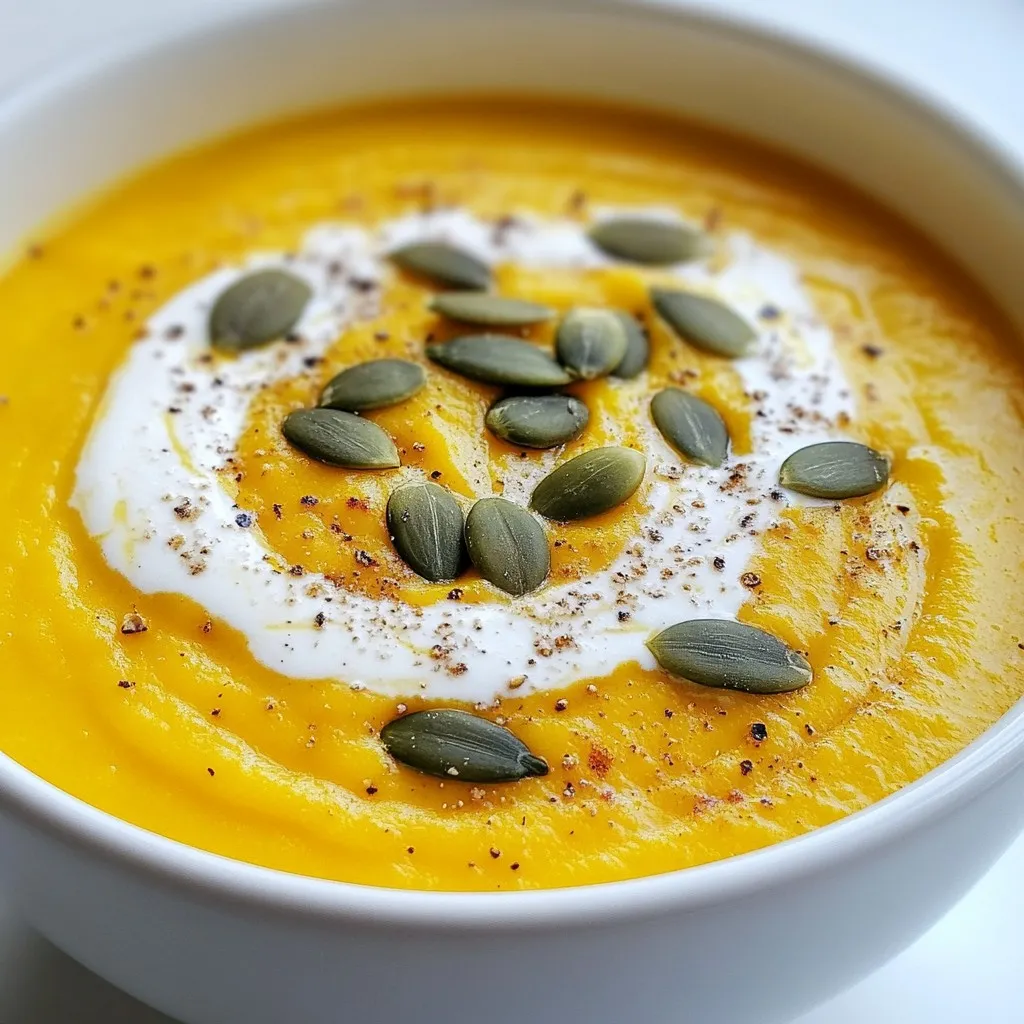
Cozy Winter Squash Soup Comforting and Simple Recipe

When winter rolls in, there’s nothing quite like a warm bowl of soup. My Cozy Winter Squash Soup is the perfect blend of butternut and acorn squash, flavored with onion, garlic, and creamy coconut milk. In this post, I’ll guide you through a simple recipe that warms your soul and pleases your taste buds. Get ready to cozy up with this comforting dish that’s as easy to make as it is delicious!
Why I Love This Recipe
- Comforting Flavors: This soup combines the natural sweetness of winter squashes with warm spices, creating a cozy and inviting dish perfect for chilly days.
- Easy to Make: With simple ingredients and straightforward steps, this recipe is accessible for cooks of all skill levels, making it a go-to for busy weeknights.
- Nutrient-Rich: Butternut and acorn squashes are packed with vitamins and minerals, making this soup not only delicious but also a healthy choice for your family.
- Customizable: You can easily adjust the spices or add your favorite toppings, such as nuts or herbs, to make this soup uniquely yours!
Ingredients
Main Ingredients
– 1 medium butternut squash, peeled and cubed
– 1 medium acorn squash, peeled and cubed
– 1 medium onion, finely chopped
– 2 cloves of garlic, minced
– 1 tablespoon olive oil
– 4 cups vegetable broth
– 1 can (14 oz) coconut milk
– 1 teaspoon ground ginger
– 1 teaspoon ground cinnamon
– Salt and freshly ground black pepper to taste
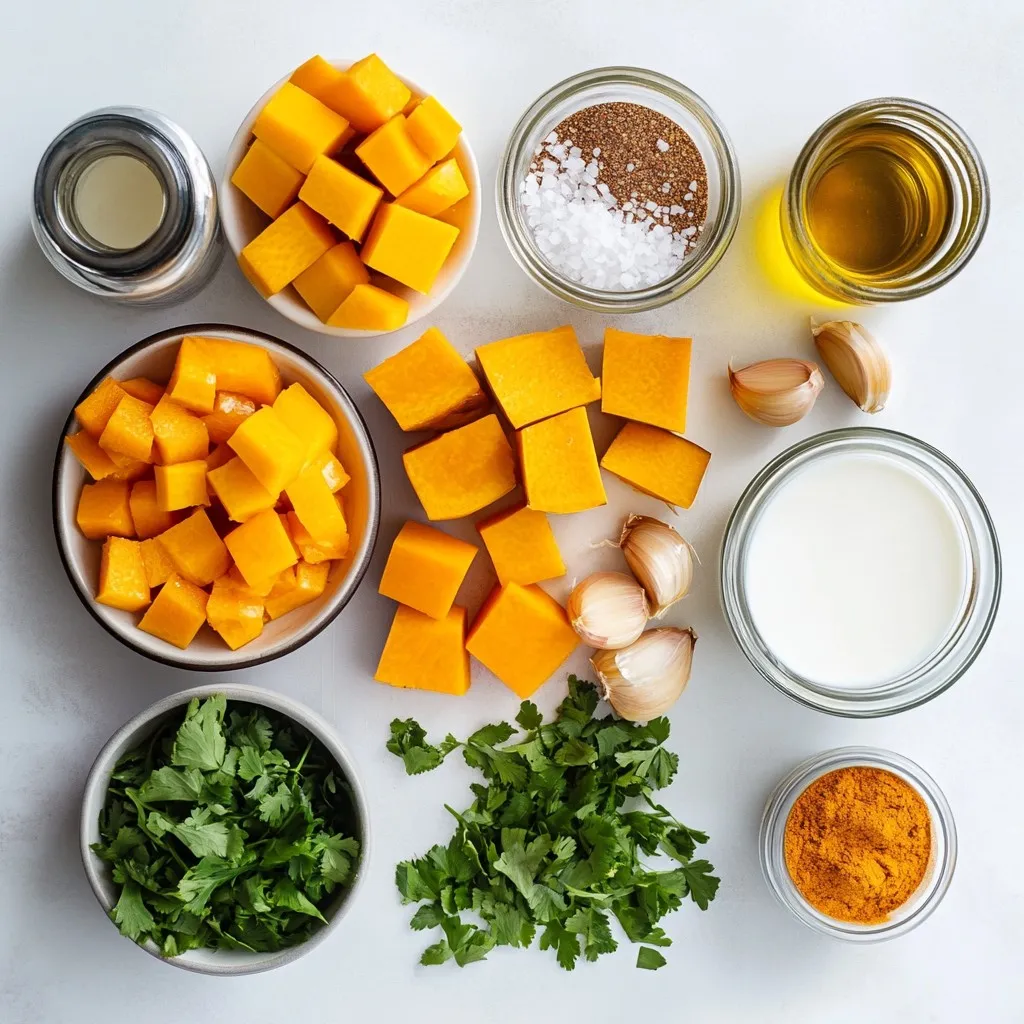
For this cozy winter squash soup, I focus on key ingredients that bring warmth and flavor. Butternut squash and acorn squash are my stars. They add a rich, sweet taste. Onions and garlic give the soup a nice base. The coconut milk makes it creamy and adds a hint of sweetness.
The vegetable broth ties everything together. It’s important for the soup’s depth. I use ground ginger and cinnamon to enhance the flavor. These spices create that inviting, cozy feel we crave in winter.
Optional Garnishes
– Toasted pumpkin seeds
– Chopped fresh parsley
– Coconut cream drizzle
Garnishes elevate the soup’s look and taste. I love adding toasted pumpkin seeds for crunch. They also add a nice nutty flavor. Fresh parsley brings a pop of color and freshness. If you want a rich finish, drizzle some coconut cream on top. These simple touches make each bowl feel special.
Step-by-Step Instructions
Preparation Steps
1. Heat 1 tablespoon of olive oil in a large pot over medium heat.
2. Add 1 finely chopped onion to the pot.
3. Sauté the onion for about 5 minutes. Make sure it becomes soft and clear.
4. Next, add 2 minced cloves of garlic. Cook for 1 more minute. Stir often to keep the garlic from burning.
5. Carefully add 1 medium butternut squash and 1 medium acorn squash. Make sure they are peeled and cubed. Stir well to mix with the onion and garlic.
Cooking Process
1. Pour in 4 cups of vegetable broth. Stir everything together.
2. Bring the mixture to a boil. Once it boils, lower the heat to a simmer.
3. Cover the pot and let it simmer for about 20 minutes. The squash should be soft enough to pierce with a fork.
4. After simmering, take the pot off the heat. Use an immersion blender to puree the soup right in the pot. If you don’t have one, carefully transfer the soup to a regular blender. Remember to vent the lid to avoid splatter.
Final Touches
1. Once pureed, return the soup to the pot if needed.
2. Stir in 1 can of coconut milk, 1 teaspoon of ground ginger, and 1 teaspoon of ground cinnamon.
3. Taste the soup and add salt and pepper as you like.
4. Gently heat the soup on low, stirring often, until it is warm.
5. Serve the hot soup in bowls. Garnish with toasted pumpkin seeds, fresh parsley, or a swirl of coconut cream if you wish.
Tips & Tricks
Achieving the Perfect Consistency
To get your soup just right, choose the right tool. An immersion blender is great for blending soup right in the pot. It saves time and cuts down on mess. If you don’t have one, a regular blender works. Just be careful with hot soup. Blend it in small batches and leave the lid slightly open to avoid splatters.
You may want a thicker or thinner soup. If it’s too thick, add more vegetable broth or coconut milk. If it’s too runny, let it simmer longer without the lid. This helps it thicken up nicely.
Flavor Enhancements
Add herbs or spices to make your soup shine. Fresh thyme or sage can bring out great flavors. You can sprinkle them in while the soup simmers. Ground ginger and cinnamon add warmth and depth. Adjust these to suit your taste.
Balancing sweetness is key. The squash brings natural sweetness, but you may want to add salt or pepper. Taste your soup before serving. This way, you can adjust the seasoning to make it just right. Don’t be shy—seasoning can change everything!
Pro Tips
- Use Fresh Spices: To enhance the flavor of your soup, opt for fresh ground spices rather than pre-ground. This will give your soup a more robust and vibrant taste.
- Texture Preference: If you prefer a chunkier soup, reserve some of the squash cubes before blending and stir them back into the soup after pureeing.
- Adjusting Consistency: If the soup is too thick for your liking, thin it out with additional vegetable broth or water until it reaches your desired consistency.
- Flavor Boost: For an extra layer of flavor, consider adding a splash of apple cider vinegar or a squeeze of lemon juice just before serving to brighten the taste.

Variations
Different Squash Options
You can easily swap butternut squash for pumpkin in this recipe. Pumpkin gives a rich taste and adds a nice color. You can also experiment with other squashes like kabocha or delicata. Each type brings its own flavor. These small changes can make your soup unique every time.
Adding Proteins or Grains
Want to make your soup heartier? Try adding lentils or beans. They boost protein and make the meal filling. You can also serve the soup with crusty bread or a side of quinoa. This adds texture and makes it more satisfying. Enjoying different options keeps the soup exciting and flavorful.
Storage Info
Storing Leftovers
After making cozy winter squash soup, you may have some leftovers. Store them in the fridge. Use an airtight container. Your soup will stay fresh for about 3 to 4 days.
If you want to keep it longer, try freezing it. Pour the soup into freezer-safe containers. Leave some space at the top, as it will expand when frozen. It can last for up to 3 months in the freezer.
Reheating Methods
To reheat your soup, use a pot on the stove. Heat it over low to medium heat. Stir often to help it warm evenly. This helps keep the soup’s texture and flavor.
You can also use a microwave. Place the soup in a microwave-safe bowl. Heat in short bursts, stirring in between. This way, it heats well without getting too hot or uneven.
FAQs
Can I make this soup ahead of time?
Yes, you can make this soup ahead of time. It tastes even better the next day. After cooking, let it cool. Then, store it in an airtight container in the fridge. It will stay fresh for about three to four days. When you are ready to eat, just reheat it on the stove over low heat, stirring often.
How can I make it dairy-free?
This recipe is already dairy-free thanks to coconut milk. If you want to add creaminess, you can use more coconut milk. You can also add cashew cream for extra richness. Blend soaked cashews with water until smooth. This will give you a nice creamy texture without any dairy.
What can I serve with winter squash soup?
– Pairing suggestions for sides or salads
I love pairing this soup with warm crusty bread. A simple green salad also works well. You can add some nuts or seeds for crunch.
– Complements for flavor balance
A drizzle of balsamic glaze adds a nice tang. You could also serve it with a side of roasted vegetables. These pair well with the sweet squash flavor.
This blog post outlined how to make a creamy winter squash soup. You learned about essential ingredients like butternut squash and onion. We detailed each step, from prepping to garnishing. Tips on achieving the right texture and adding flavors helped enhance your dish. Don’t shy away from variations or storage options; they keep your soup fresh and tasty. Remember, experimenting makes cooking fun. Enjoy your delicious soup, and share it with friends and famil
Cozy Winter Squash Soup
Ingredients
- 1 medium butternut squash, peeled and cubed
- 1 medium acorn squash, peeled and cubed
- 1 medium onion, finely chopped
- 2 cloves garlic, minced
- 1 tablespoon olive oil
- 4 cups vegetable broth
- 1 can (14 oz) coconut milk
- 1 teaspoon ground ginger
- 1 teaspoon ground cinnamon
- to taste Salt and freshly ground black pepper
- optional toasted pumpkin seeds
- optional chopped fresh parsley
- optional drizzle of coconut cream
Instructions
- Begin by heating the olive oil in a large pot over medium heat. Once hot, add the finely chopped onion. Sauté for about 5 minutes, stirring occasionally, until the onion becomes translucent and soft.
- Add the minced garlic to the pot and cook for an additional minute, stirring continuously until fragrant, ensuring not to let the garlic burn.
- Carefully incorporate the cubed butternut and acorn squashes into the pot, stirring well to combine them with the sautéed onion and garlic.
- Pour in the vegetable broth, mixing everything together, and bring the mixture to a vigorous boil. Once boiling, reduce the heat to a gentle simmer and cover the pot. Allow it to simmer for approximately 20 minutes, or until the squash is tender when pierced with a fork.
- After cooking, remove the pot from heat. Using an immersion blender, puree the soup directly in the pot until it reaches a smooth and creamy consistency. If you don’t have an immersion blender, you can carefully transfer the hot soup in batches to a traditional blender—just be sure to vent the lid slightly to prevent splatter.
- Return the pureed soup to the pot (if using a blender) and stir in the coconut milk, ground ginger, and ground cinnamon. Taste the soup and adjust seasoning with salt and freshly ground black pepper as desired.
- Reheat the soup gently over low heat, stirring frequently, until it is warmed through and ready to serve.
- Ladle the hot soup into bowls and garnish each serving with a sprinkle of toasted pumpkin seeds, a scattering of chopped fresh parsley, or an elegant swirl of coconut cream if desired.


![- 4 large bell peppers (any color of your choice) - 1 cup quinoa, thoroughly rinsed - 2 cups vegetable broth - 1 can (15 oz) black beans, drained and rinsed - 1 cup corn kernels - 1 small red onion, finely chopped - 2 cloves garlic, minced - 1 teaspoon ground cumin - 1 teaspoon smoked paprika - 1 teaspoon chili powder - Salt and freshly cracked black pepper, to taste - 1 cup diced tomatoes - 1 cup shredded cheese - Fresh cilantro or parsley for garnish This recipe is full of vibrant colors and flavors. The bell peppers add sweetness and crunch. Quinoa provides protein, making it a healthy meal choice. I love using black beans for their creaminess and fiber. Corn adds a nice sweetness and texture too. You can choose any color of bell pepper you like. Each color brings a unique taste. Red, yellow, and green all work well. The quinoa must be rinsed to remove saponin, a bitter coating. This step makes the quinoa taste better. Using vegetable broth instead of water boosts flavor. The spices, like cumin and smoked paprika, add warmth and depth. Garlic and onion give a great base flavor. Don't forget to adjust salt and pepper to your taste. I recommend adding cheese on top for a nice finish. It melts beautifully and adds richness. You can use cheddar or a Mexican blend, based on your preference. For a pop of color, garnish with fresh cilantro or parsley. For the complete recipe, check out the [Full Recipe]. - Preheat your oven to 375°F (190°C). - Slice the tops off four large bell peppers. Remove the seeds and membranes. - Stand the peppers upright in a baking dish. This keeps them stable while cooking. - In a saucepan, add one cup of rinsed quinoa and two cups of vegetable broth. - Bring the mixture to a boil over medium heat. - Once boiling, lower the heat and cover the pot. Simmer for about 15 minutes. - Fluff the quinoa with a fork when it’s done. - In a large bowl, combine the cooked quinoa with one can of black beans, one cup of corn, and one small chopped red onion. - Add two minced garlic cloves, one teaspoon of cumin, smoked paprika, and chili powder. - Season with salt and pepper to taste. - Fold in one cup of diced tomatoes before stuffing the peppers. - Carefully spoon the quinoa mixture into each pepper. Pack it down gently. - Top each stuffed pepper with one cup of shredded cheese. - Cover the dish with aluminum foil to keep the moisture in. - Place the covered dish in the preheated oven. Bake for 25 to 30 minutes. - Remove the foil and bake for another 10-15 minutes until the cheese is golden. This recipe brings together flavors and nutrition in a fun way. You’ll enjoy the vibrant colors and tastes! For the complete recipe, check out the Full Recipe. To get the best quinoa, start by rinsing it well. This removes any bitter coating. Use a fine mesh strainer for this step. Next, combine one part quinoa with two parts vegetable broth. This adds flavor. Cook on medium heat until it boils, then lower the heat and cover. Let it simmer for about 15 minutes. The quinoa should be fluffy and all the liquid gone. Spices make a big difference. I love adding ground cumin, smoked paprika, and chili powder for warmth. You can also mix in fresh herbs like cilantro or parsley for freshness. If you want more kick, add chopped jalapeños. Olives give a nice briny taste too. Feel free to get creative with your flavors! Make your dish pop! Serve the stuffed peppers on a bed of fresh greens. This adds color and crunch. You can sprinkle extra cheese on top before serving. A squeeze of lime over the peppers brightens the dish. Consider drizzling with a creamy sauce, like ranch or yogurt, for added richness. For the full recipe, check the details above. {{image_4}} You can make quinoa stuffed peppers vegan by swapping out cheese and broth. Use a plant-based cheese or skip it entirely. For broth, substitute with water or vegetable stock. Add more flavor by mixing in nutritional yeast. For protein, try lentils or chickpeas. Add veggies like spinach, kale, or mushrooms for extra nutrients. Quinoa isn't your only option. You can use rice or couscous. Both grains offer a nice texture. If you want to add meat, chicken, turkey, or even crumbled tofu work great. Just cook the proteins before mixing them into the filling. You can also add diced olives or sun-dried tomatoes for a flavor boost. Feel free to experiment with various pepper types. Bell peppers are common, but try poblano or jalapeño for a kick. Sweet peppers make the dish mild, while spicy peppers add heat. Using different sizes can change your serving style. Smaller peppers can be appetizers, while larger ones can be main dishes. To store your quinoa stuffed peppers after cooking, let them cool first. Place them in an airtight container. This keeps them fresh and tasty. You can store them in the fridge for up to four days. If you want to enjoy them later, be sure to keep the peppers whole. This helps them stay moist. If you want to freeze your stuffed peppers, wrap each one in plastic wrap. Then, place them in a freezer-safe bag or container. This method helps prevent freezer burn. You can freeze them for up to three months. When you are ready to eat, take them out and thaw them overnight in the fridge. Reheat them in the oven at 350°F (175°C) for about 20-25 minutes. This keeps the peppers nice and warm. You can also microwave them for faster results but be careful not to overcook. Enjoy your meal with a burst of flavor! For the full recipe, check out the earlier sections. Yes, you can prepare quinoa stuffed peppers ahead. Cook the quinoa and mix it with the other ingredients. You can stuff the peppers and store them in the fridge for up to 24 hours. If you want, you can bake them later. This saves time on busy days. Look for a few signs. The peppers should be tender but still firm. The filling inside should be hot and bubbly. The cheese on top should melt and turn golden brown. These are good signs your stuffed peppers are ready to enjoy. Yes, you can use other grains. Brown rice, couscous, or farro work well. Each grain has its own cooking time. For brown rice, cook it for about 40-45 minutes. Couscous cooks quickly in about 5 minutes. Adjust cooking times based on the grain you choose. I suggest a few side dishes. A simple salad with mixed greens adds freshness. You can also serve rice or a grain like quinoa on the side. If you want a warm side, consider roasted veggies. These pair well with the stuffed peppers and add color to your plate. Absolutely! This recipe uses quinoa, which is gluten-free. The other ingredients, like beans and veggies, are also gluten-free. Just make sure to check labels on canned goods. This helps ensure no gluten sneaks in. Enjoy this healthy meal worry-free! Quinoa stuffed peppers offer a balanced meal using simple, fresh ingredients. We explored the preparation, cooking tips, and variations. Remember to rinse your quinoa for the best flavor and texture. You can easily adjust the recipe for different diets or flavor profiles. Feel free to experiment with other grains or proteins. Enjoy these tasty peppers now or save some for later. Your kitchen adventures can lead to satisfying meals that everyone loves.](https://joymealplan.com/wp-content/uploads/2025/06/105cb204-6c23-4ed0-80a6-bb54efeb7f27-768x768.webp)


![To make sticky orange chicken, you'll need a few simple yet flavorful items. Here is a complete list of ingredients you'll need for this recipe: - 1.5 lbs boneless, skinless chicken thighs - 1/2 cup cornstarch - 2 tablespoons vegetable oil - 3 cloves garlic, finely minced - 1-inch piece of fresh ginger, grated - 1/4 cup low sodium soy sauce - 1/2 cup freshly squeezed orange juice - Zest of 1 medium orange - 1/4 cup honey - 2 tablespoons rice vinegar - 1/2 teaspoon red pepper flakes (optional) - 2 green onions, finely chopped, for garnish - Sesame seeds, for garnish Using high-quality chicken is key for this dish. Chicken thighs stay juicy and tender. Cornstarch is essential for a crispy texture. Vegetable oil helps with frying and flavor. Fresh garlic and ginger bring bold taste to the sauce. Orange juice and zest create a bright, zesty flavor. Honey adds sweetness that balances the dish. Rice vinegar gives a touch of tang. If you like spice, add red pepper flakes for heat. Don’t forget the green onions and sesame seeds for garnish. They add color and crunch. This recipe is simple yet packed with flavor. You can find the full recipe in earlier sections. Coating with Cornstarch Start by placing the chicken pieces in a big bowl. Pour in the cornstarch. Mix it well with your hands or a spoon. Make sure all chicken pieces are covered. This step is key for a crispy finish. Sautéing the Chicken Pieces Next, heat the vegetable oil in a large skillet or wok on medium-high heat. Once hot, add the chicken in batches. Avoid crowding the pan. Cook for about 5-7 minutes. Stir it often until the chicken turns golden brown. Check that each piece reaches 165°F inside. Remove the chicken and place it on a plate with paper towels to soak up extra oil. Sautéing Garlic and Ginger Lower the heat to medium. In the same skillet, add the minced garlic and grated ginger. Sauté for about 30 seconds. You want to smell the rich aroma of garlic and ginger. This signals it’s time to mix the sauce. Mixing the Sauce Ingredients Pour in the soy sauce, orange juice, orange zest, honey, and rice vinegar. If you like some heat, add the red pepper flakes. Stir it all together. Increase the heat slightly and let it bubble. Allow the sauce to simmer for 3-5 minutes. You want it to thicken and develop a rich flavor. Glazing the Chicken Now, return the cooked chicken to the skillet. Use a spatula to toss the chicken in the sauce. Ensure every piece gets coated. Let it cook for another 2-3 minutes. This will heat the chicken through and make it sticky and flavorful. Garnishing for Serving Take the skillet off the heat. Sprinkle the chopped green onions and sesame seeds over the chicken. These add color and crunch. Serve this dish hot and enjoy the zesty flavors of your sticky orange chicken. Check the Full Recipe for more details! Importance of Cornstarch Coating Coating the chicken in cornstarch is key for a crispy bite. It helps create a crunchy layer when you fry it. The cornstarch seals in moisture, keeping the chicken juicy. You want to ensure every piece is coated well. This simple step makes a big difference in texture and taste. Avoiding Overcrowding the Pan Do not overcrowd the pan when cooking the chicken. If you add too much at once, the chicken will steam instead of fry. This means less crispiness. Cook in batches and give each piece space. This way, you get that golden-brown color you want. Using Fresh Ingredients Using fresh ingredients makes your dish taste better. Fresh garlic and ginger give a bright flavor. Squeeze your own orange juice for the best taste. Fresh zest adds a lovely aroma. These small details make your sticky orange chicken shine. Adjusting Spice Levels If you like heat, add red pepper flakes. Start with a small amount and taste as you go. You can always add more if you want a kick. If you prefer a milder dish, skip the spice. Tailor the recipe to your taste buds. Pairing with Sides This sticky orange chicken goes well with many sides. Serve it over fluffy jasmine rice for a complete meal. Steamed broccoli or green beans also work nicely. These sides balance the sweetness of the chicken. Presentation Ideas Make your dish look as good as it tastes. Use a white plate to make the orange color pop. Drizzle some extra sauce on top. Sprinkle sesame seeds and green onions for a final touch. A pretty plate makes every meal special. For the full recipe, check out the Sticky Orange Chicken Delight. {{image_4}} You can easily switch up the protein in this dish. - Using Chicken Breasts: You can replace chicken thighs with chicken breasts. They are leaner and will still taste great. Just be sure to cook them until they are juicy. - Substituting with Tofu or Tempeh: For a plant-based option, try tofu or tempeh. Cut them into bite-sized pieces and follow the same steps as the chicken. They soak up the sauce well and give a nice texture. Feel free to play with flavors to make this dish your own. - Adding More Citrus: Want more zing? Add lime or lemon juice. A splash at the end brightens the dish and gives it a fresh twist. - Experimenting with Herbs and Spices: You can also try adding fresh herbs like cilantro or basil. A sprinkle of these can add depth and freshness. This recipe can fit many dietary needs. - Gluten-Free Modifications: If you're gluten-free, use tamari instead of soy sauce. This keeps the flavor while making it safe for your diet. - Low-Sugar Alternatives: For a low-sugar version, substitute honey with a sugar-free sweetener. This still gives sweetness without the extra calories. These variations help you enjoy Sticky Orange Chicken in your own way. Check the Full Recipe for more details! After you enjoy your sticky orange chicken, you may have some leftovers. To keep them fresh, store the chicken in an airtight container. Place it in the fridge. It will last for about 3 to 4 days. When reheating, use the microwave or a skillet. Heat it gently to avoid drying it out. A splash of water can help keep it moist. If you want to keep your sticky orange chicken longer, consider freezing it. Allow the chicken to cool completely before freezing. Place it in a freezer-safe bag or container. Remove as much air as possible to prevent freezer burn. It can stay in the freezer for up to 3 months. When you're ready to use it, thaw the chicken overnight in the fridge. For a quicker method, you can use the defrost setting on your microwave. Just be careful not to start cooking it. To maintain the best flavor, always serve your sticky orange chicken fresh. If you prepare it ahead of time, store the sauce separately. This will help keep the chicken crispy. When you are ready to serve, reheat both the chicken and sauce. Toss them together just before serving for that sticky goodness. For more details on how to make this dish, check out the Full Recipe. You can enjoy Sticky Orange Chicken with a few tasty sides. Here are some great options: - Fluffy jasmine rice - Steamed broccoli - Fried rice - Sautéed snap peas - Crisp green salad For drinks, pair it with: - Iced tea - Sparkling water with lemon - A light white wine These sides and drinks will balance the sweet and sticky flavors of the chicken. To kick up the heat in your Sticky Orange Chicken, try these tips: - Adding Heat with Pepper Flakes: Sprinkle red pepper flakes into the sauce. Start with a little and add more if needed. This gives a nice kick without overpowering the dish. - Experimenting with Hot Sauces: Mix in your favorite hot sauce. A few drops can add flavor and heat. Choose a sauce that complements the orange taste. You can adjust the heat to match your taste! Yes, you can prep Sticky Orange Chicken in advance. Here’s how: - Prep Tips for Making in Advance: Marinate the chicken in the sauce for a few hours or overnight. This adds great flavor. You can also chop the garlic and ginger ahead of time. - Adjusting Cooking Times: When cooking, make sure the chicken is heated through. If you make it ahead, just warm it on low heat in the skillet. This keeps it from drying out. These tips help you enjoy a delicious meal even on busy days. For the full recipe, check out the [Full Recipe]. This blog post guided you through making Sticky Orange Chicken, from ingredients to storage tips. Remember to coat the chicken in cornstarch for that perfect crunch. Use fresh ingredients to enhance flavor and feel free to experiment with proteins and spices. With these straightforward steps and variations, you can enjoy a tasty meal that suits your needs. Keep these tips in mind for a delicious outcome every time. Now, it’s time to bring this vibrant dish to your table!](https://joymealplan.com/wp-content/uploads/2025/06/0fb5afb5-059d-4b64-a6dc-9cc9d9794f9b-768x768.webp)