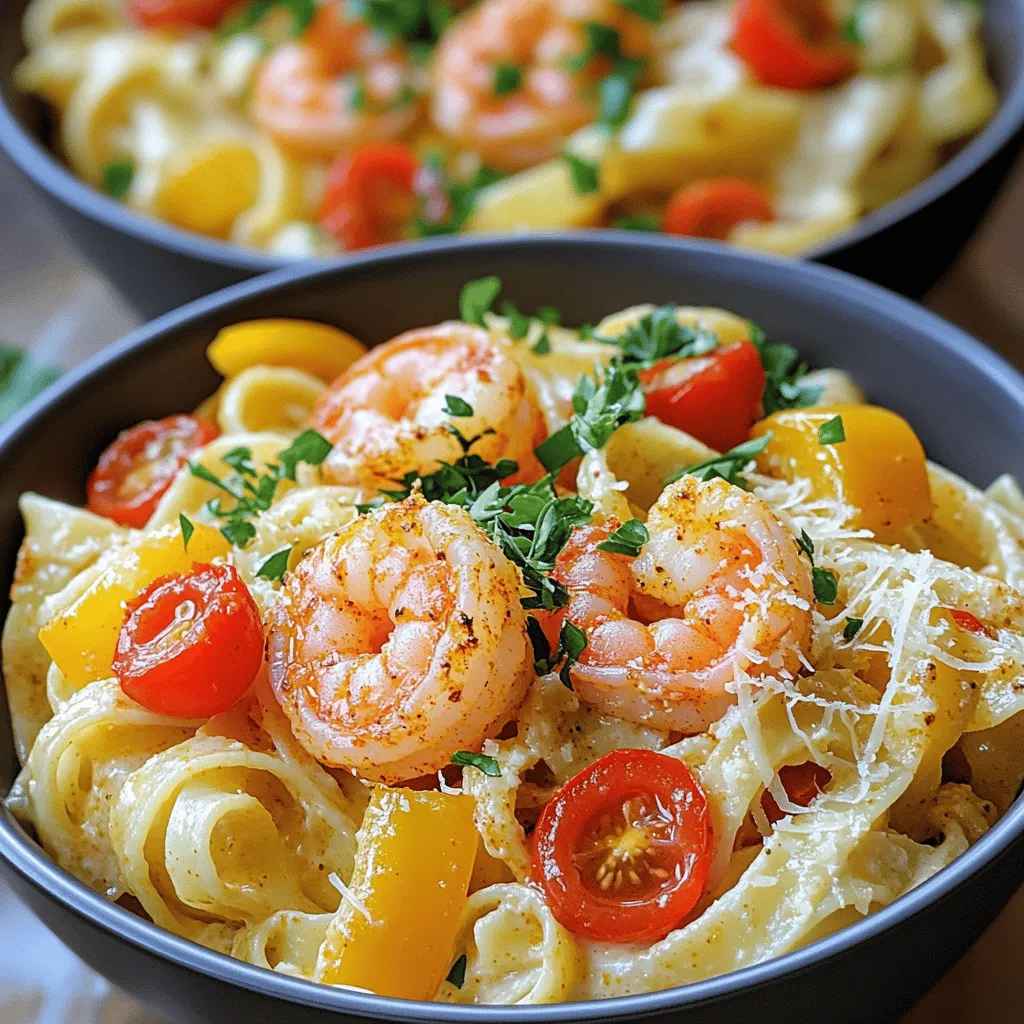
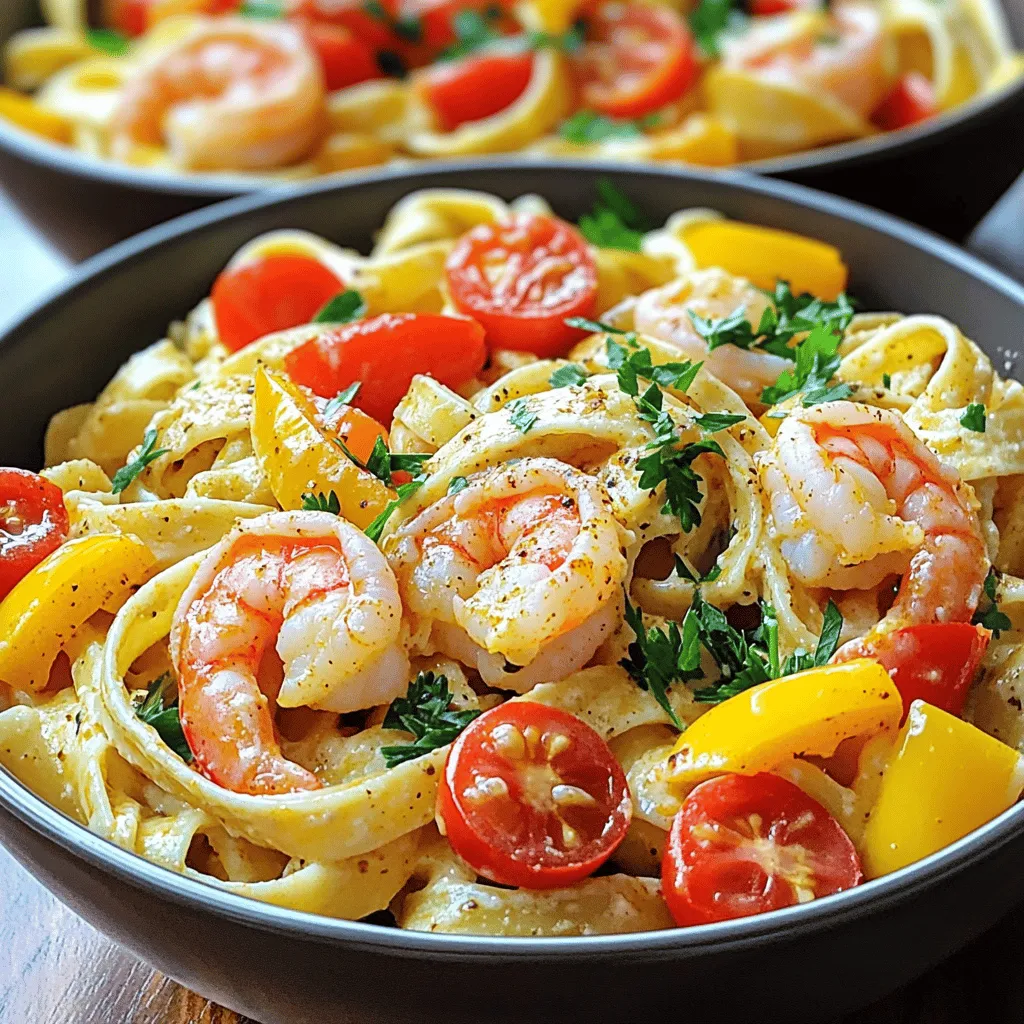
Are you craving a meal that bursts with flavor and is super easy to make? Look no further! My Creamy Cajun Shrimp Pasta One Pot Delight combines the rich taste of Cajun spices with tender shrimp and creamy sauce—all cooked in one pot. This dish is perfect for busy weeknights or impressing guests. Let’s dive into the ingredients and create a dish that will leave everyone asking for seconds!
Ingredients
Essential Ingredients for Creamy Cajun Shrimp Pasta
– 12 oz fettuccine or linguine
– 1 lb shrimp, peeled and deveined
– 1 tablespoon Cajun seasoning
Flavor Enhancers
– 2 tablespoons olive oil
– 1 medium onion, diced
– 3 cloves garlic, minced
Additional Ingredients
– 1 bell pepper (red or yellow), diced
– 1 cup cherry tomatoes, halved
– 2 cups chicken broth (low-sodium recommended)
– 1 cup heavy cream
– 1 cup freshly grated Parmesan cheese
– Salt and freshly ground black pepper, to taste
– Fresh parsley, chopped, for garnish
When I make Creamy Cajun Shrimp Pasta, I gather my ingredients first. This makes cooking easier and faster. The pasta is key to the dish. I always choose fettuccine or linguine. They soak up the sauce well.
Shrimp is the star here. I use one pound of peeled and deveined shrimp. This makes the meal quick and easy. Cajun seasoning adds a nice kick. One tablespoon is all you need for great flavor.
Next, I focus on flavor enhancers. I heat two tablespoons of olive oil in a large skillet. Then, I add one diced onion and cook it until soft. This takes about five minutes. Next, I add three minced garlic cloves. The smell is amazing!
I also like to add color and taste with a bell pepper. I use either red or yellow, diced small. Cherry tomatoes bring sweetness. I always halve one cup of those. The broth adds depth. I prefer low-sodium chicken broth for better control over salt. Heavy cream makes it rich. I use one cup to give the pasta its creamy texture.
Lastly, I finish with freshly grated Parmesan cheese. One cup adds a savory note. Don’t forget salt and pepper for taste. I love to garnish with fresh parsley before serving. It looks great and adds freshness.
Step-by-Step Instructions
Cooking the Pasta
– Boil a large pot of salted water.
– Cook fettuccine or linguine until al dente.
Start by boiling water in a big pot. Add salt to the water to enhance the pasta’s flavor. Once it boils, add your fettuccine or linguine. You want to cook it until it’s al dente. This means it should be firm to the bite. It usually takes around 8 to 10 minutes. Make sure to check the package for exact times. Before draining, save about half a cup of that starchy pasta water. This will help later with the sauce.
Sautéing the Vegetables
– Heat olive oil and sauté onion and bell pepper.
– Add garlic and cook until fragrant.
Next, grab a large skillet and heat up some olive oil on medium heat. Once it’s hot, toss in the diced onion and bell pepper. Sauté them for about 4 to 5 minutes. You want them soft and see-through. Now, add the minced garlic. Cook it for another minute until it smells great. Be careful not to burn the garlic, as it can turn bitter.
Preparing the Shrimp
– Coat shrimp in Cajun seasoning.
– Cook shrimp until pink and opaque.
Now it’s time for the shrimp! Sprinkle the Cajun seasoning over the shrimp in a bowl. Make sure each piece is well coated. Then, add the shrimp to the skillet. Cook them for about 2 to 3 minutes. You want them to turn pink and opaque. Once done, take them out and place them on a plate. We will add them back later.
Combining Ingredients
– Cook cherry tomatoes and add chicken broth.
– Mix in cooked pasta and simmer.
In the same skillet, add the halved cherry tomatoes. Cook them for about 2 minutes. This helps them soften and release their juices. Then pour in the chicken broth. Use a spatula to scrape up any tasty bits stuck to the skillet. Now, add your drained pasta into the skillet and stir well. The pasta should be fully covered by the broth. Turn up the heat to bring it all to a boil, then lower it to a gentle simmer. Cover the skillet and cook according to the pasta package, usually 10 to 12 minutes.
Final Touches
– Stir in heavy cream and Parmesan cheese.
– Season to taste and add shrimp back into the dish.
Once the pasta is cooked and most of the liquid is gone, lower the heat. Stir in the heavy cream. Let it simmer for an extra 2 to 3 minutes to thicken. Now, gradually mix in the freshly grated Parmesan cheese. Stir until it melts and becomes creamy. Taste it. Add salt and black pepper as needed. Finally, gently fold the cooked shrimp back into the dish. Stir until everything is hot and well mixed. Let it rest for a couple of minutes before you serve.
Tips & Tricks
Perfecting the Creamy Sauce
To make the sauce just right, allow it to thicken properly. This adds depth and richness to your dish. You can also reserve some pasta water. This starchy water helps adjust the sauce’s thickness. If the sauce feels too thick, add a little pasta water until it reaches your desired consistency.
Cooking Shrimp to Perfection
Be careful not to overcook the shrimp. It only takes about 2-3 minutes for them to turn pink and opaque. If you cook them too long, they can become tough. After cooking, keep the shrimp warm on a plate while you finish the pasta. This way, they stay tender when you mix them in.
Enhancing Flavor Profiles
Feel free to experiment with additional spices. Adding a pinch of cayenne can give your dish a nice kick. You can also add a splash of lemon juice. This brightens the whole dish and balances the creaminess. A little zing from lemon can elevate your creamy Cajun shrimp pasta to new heights!
Variations
Dietary Adjustments
You can easily make this dish fit your diet. If you need gluten-free options, try using gluten-free pasta. Many brands offer great choices that taste just as good. For those who want a dairy-free dish, replace heavy cream with coconut milk or almond milk. Both options give you a creamy texture without the dairy.
Ingredient Swaps
Feel free to get creative with proteins! Instead of shrimp, you can use chicken or sausage. Just ensure you cook them through. Adding extra vegetables can also boost flavor. Spinach or zucchini works great and adds color. Toss them in when you add the cherry tomatoes for a healthy twist.
Spice Level Modifications
Adjusting spice levels is simple. If you want less heat, use less Cajun seasoning. You can also add more garlic for a stronger taste. Garlic adds depth and pairs well with the creamy sauce. Just remember, cooking is all about finding your perfect balance!
Storage Info
Storing Leftovers
After enjoying your creamy Cajun shrimp pasta, let it cool down first. This step helps keep the quality intact. Once cool, store it in airtight containers. This keeps the flavors fresh and prevents drying out.
Reheating Instructions
When it’s time to enjoy leftovers, the stovetop is your best friend. Heat it gently in a pan. To bring back the creaminess, add a splash of broth or cream. This simple trick makes it taste almost as good as when you first made it.
Freezing Guidelines
If you want to save some for later, freeze it before adding cream. This method keeps the texture nice and creamy after thawing. You can store it in the freezer for up to 3 months. Just remember to label your container with the date!
FAQs
Can I use frozen shrimp for this recipe?
Yes, you can use frozen shrimp. Just thaw them first. Place the shrimp in cold water for about 10-15 minutes. It helps them cook evenly. Frozen shrimp also saves time, making dinner prep easier.
How do I make this dish spicier?
To spice things up, add more Cajun seasoning. You can also include crushed red pepper flakes. A dash of hot sauce works well, too. Start with a small amount, then taste and adjust as needed.
What can I use instead of heavy cream?
You can substitute heavy cream with half-and-half for a lighter option. Coconut cream also adds a nice flavor. For a dairy-free version, use cashew cream or almond milk thickened with a bit of cornstarch.
Can I make this recipe in advance?
Yes, you can prep this dish in advance. Cook the pasta and shrimp separately, then store them in the fridge. Combine everything right before serving. This keeps the pasta from getting mushy.
How do I know when the pasta is al dente?
Check the pasta package for cooking time. Taste a piece a minute or two before the time is up. It should be firm but not hard in the center. That’s the perfect al dente texture for your pasta.
In this blog post, we explored how to make creamy Cajun shrimp pasta using simple ingredients. We discussed essential items, flavor enhancers, and cooking steps to achieve the perfect dish. I shared tips for a creamy sauce and ideas for delicious variations.
This recipe is flexible, so feel free to adjust ingredients to fit your needs. Whether you’re cooking for yourself or a crowd, this dish is sure to impress. Enjoy the flavors and get creative in your kitchen!