
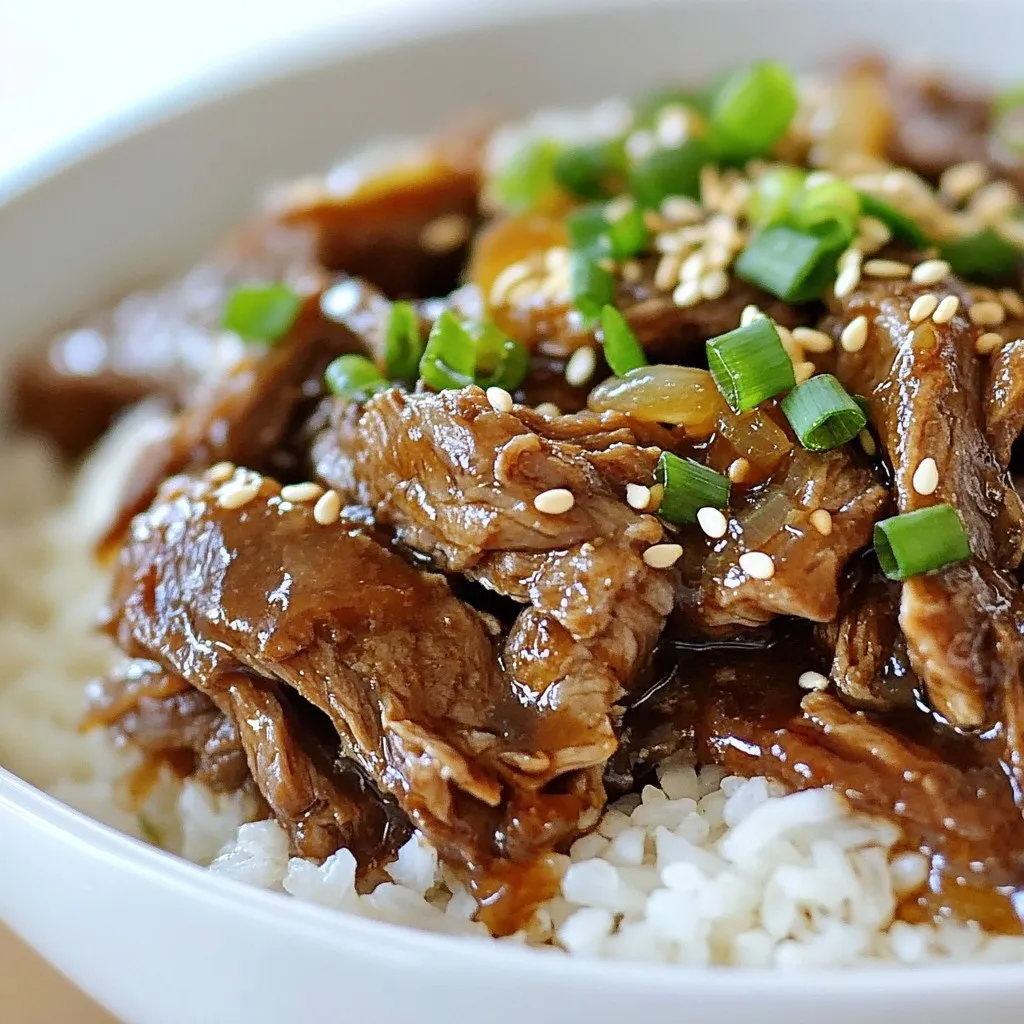
Are you ready to transform your dinner with mouthwatering Slow Cooker Korean Beef sides? In this guide, you’ll learn how to create tender, flavorful beef, plus the perfect sides that make every meal complete. From classic dishes like kimchi to light salads, I’ll show you how to balance flavors and elevate your home cooking. Let’s dive into this delicious culinary adventure together!
Why I Love This Recipe
- Rich Flavor Profile: This dish combines the umami of soy sauce, the sweetness of brown sugar, and the spiciness of gochujang, creating a balanced and delicious flavor that is irresistible.
- Effortless Cooking: With the slow cooker doing all the work, you can set it and forget it, making it perfect for busy days or gatherings.
- Perfect for Meal Prep: This recipe yields a generous amount, making it ideal for leftovers or meal prep for the week ahead.
- Customizable Garnishes: Top the beef with fresh green onions and sesame seeds for added texture and flavor, or add your favorite sides to make it your own.
Ingredients
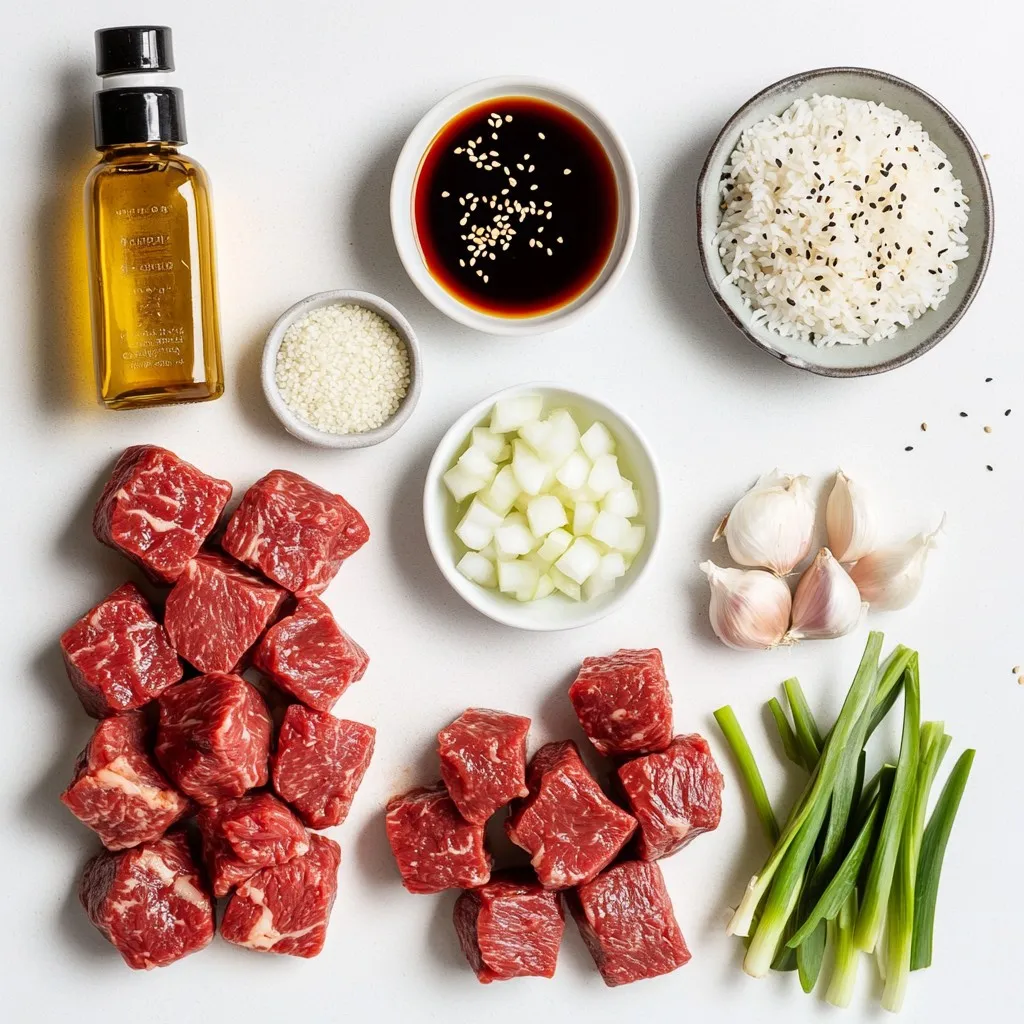
Main Ingredients for Slow Cooker Korean Beef
– 2 lbs beef chuck roast, cut into 1-inch cubes
– 1 cup low-sodium soy sauce
– 1/2 cup brown sugar
– 1/4 cup sesame oil
– 1 large onion, thinly sliced
– 4 cloves garlic, minced
– 1-inch piece of fresh ginger, grated
– 1 tablespoon gochujang (Korean red chili paste)
– 1 teaspoon freshly ground black pepper
The beef chuck roast is the star here. Its marbling makes it tender and juicy. Soy sauce adds a salty depth. Brown sugar balances this with sweetness. Sesame oil brings a rich, nutty flavor. Onion, garlic, and ginger add layers of taste. Gochujang gives that signature heat. Each ingredient works together for a savory delight.
Essential Garnishes
– 3 green onions, finely chopped (for garnish)
– 1 tablespoon sesame seeds (optional, for garnish)
– Cooked jasmine rice (for serving)
Garnishes are key! Green onions add a fresh crunch. Sesame seeds give a nice pop and a toasty taste. Serve this over warm jasmine rice. It soaks up the sauce perfectly. You may also add pickled radish on the side. It adds a tangy bite that brightens every scoop.
Step-by-Step Instructions
Preparation of Marinade
Start by gathering your marinade ingredients. In a large bowl, mix:
– 1 cup low-sodium soy sauce
– 1/2 cup brown sugar
– 1/4 cup sesame oil
– 4 cloves garlic, minced
– 1-inch piece of fresh ginger, grated
– 1 tablespoon gochujang
– 1 teaspoon black pepper
Whisk these together until the sugar dissolves. This mixture creates a rich flavor base for the beef.
Marinating the Beef
Next, add your cubed beef chuck roast to the marinade. Make sure each piece is well-coated. Cover the bowl with plastic wrap. For the best taste, let it sit for at least 30 minutes at room temperature. If you have time, refrigerate it overnight. This allows the flavors to soak into the beef deeply.
Cooking in the Slow Cooker
Once marinated, transfer the beef and marinade into the slow cooker. Layer the sliced onion on top of the beef. Cover the slow cooker and set it to low heat. Cook for 6-8 hours. This slow cooking method makes the beef tender and easy to shred.
When done, use two forks to shred the beef right in the slow cooker. Mix it with the sauce and onions. This step ensures every bite is full of flavor. Enjoy your savory Korean beef over warm jasmine rice, garnished with green onions and sesame seeds.
Tips & Tricks
Perfecting Flavors
To balance sweetness and saltiness, use the right amounts of soy sauce and brown sugar. The soy sauce gives a salty taste, while brown sugar adds sweetness. Adjust these to fit your taste. If it’s too salty, add more sugar. If it’s too sweet, add more soy sauce. A touch of gochujang can bring a nice heat to the dish too.
Texture Enhancements
For tender and juicy beef, choose beef chuck roast. Cut it into 1-inch cubes to ensure even cooking. Marinate the beef for at least 30 minutes, but overnight is best. This helps the meat absorb flavors and makes it tender. During cooking, set your slow cooker on low for 6-8 hours. This slow method breaks down the meat, making it easy to shred.
Presentation Suggestions
When serving, use deep bowls to hold the sauce. This keeps the rice warm and allows you to savor every bite. Add a slice of pickled radish on the side for a pop of color and tangy flavor. Top each bowl with chopped green onions and a sprinkle of sesame seeds for extra texture and visual appeal.
Pro Tips
- Marinate Longer for Deeper Flavor: For the best flavor, marinate the beef overnight. This allows the meat to absorb the marinade fully, resulting in a richer taste.
- Use a Meat Thermometer: To ensure your beef is perfectly cooked, use a meat thermometer. Aim for an internal temperature of around 190°F for tender, easily shreddable meat.
- Adjusting Spice Levels: If you prefer a milder dish, reduce the amount of gochujang or remove it entirely. You can always add a little bit at the end for flavor without the heat.
- Pair with Fresh Sides: Serve this Korean beef with fresh sides like pickled vegetables or a simple cucumber salad to balance the rich flavors of the dish.
Side Dishes to Complement Korean Beef
Traditional Korean Sides
For a true Korean feast, include some traditional sides. Kimchi is a must. It’s spicy, sour, and tangy. The fermentation gives it a unique flavor that pairs well with beef. You can use napa cabbage or radishes to make it. Pickled vegetables are also popular. They add a crisp texture and balance the rich flavors of the beef. You can try pickled cucumbers or carrots. These sides enhance your meal and offer a burst of flavor.
Rice and Grain Options
Rice is essential with Korean beef. Jasmine rice is my favorite. It’s soft and fragrant, which complements the beef. Brown rice is a healthy choice too. It adds a nutty flavor and more fiber. If you’re feeling adventurous, try quinoa or barley. These grains offer a different texture and taste. They also soak up the savory sauce nicely, making each bite enjoyable.
Vegetable Sides
Vegetable sides can brighten your plate. Stir-fried veggies are quick and easy. Use bell peppers, broccoli, and snap peas for color and crunch. You can stir-fry them with a bit of sesame oil for flavor. Steamed vegetables are another option. They stay crisp and fresh. Try asparagus or green beans for a light touch. Salads work well too. A simple cucumber and sesame salad adds coolness to the meal. These sides make your dish balanced and healthy.
Variations
Healthier Alternatives
You can make this dish healthier with easy swaps. Use low-sodium soy sauce instead of regular. This change cuts down on salt but keeps the flavor. For a gluten-free option, use tamari or coconut aminos. These alternatives work well and taste great too. You can also cut down on sugar. Replace brown sugar with a natural sweetener like honey or maple syrup. This keeps sweetness but adds a different flavor.
Spice Levels
Adjust the heat to your liking with gochujang. If you want mild spice, use less gochujang. Start with just half a tablespoon. You can always add more later if needed. If you love heat, add an extra tablespoon. Taste as you go to find your perfect level. You can also mix in some chili flakes for an extra kick. This will give more depth to your dish.
Serving Size Adjustments
Scaling the recipe is simple. If you need to serve more people, just double the ingredients. For a smaller gathering, cut the recipe in half. Keep the cooking times the same for best results. Use a larger slow cooker for more beef. For fewer servings, a smaller cooker works just fine. Remember to adjust the rice amount too. You want enough to soak up all that yummy sauce.
FAQs
How long can I store leftover Slow Cooker Korean Beef?
You can store leftover Slow Cooker Korean Beef in the fridge for 3 to 4 days.
– Use an airtight container to keep it fresh.
– When reheating, heat it gently on the stove or in the microwave.
– Add a splash of water or broth if it seems dry.
Can I freeze Slow Cooker Korean Beef?
Yes, you can freeze Slow Cooker Korean Beef.
– Place it in a freezer-safe container after it cools completely.
– Make sure to leave space at the top for expansion.
– It can last up to 3 months in the freezer.
To thaw, move it to the fridge overnight. Reheat it on the stove or microwave when ready.
What to serve with Slow Cooker Korean Beef?
Pairing is key for a great meal. Here are some tasty ideas:
– Serve over warm jasmine rice for a classic touch.
– Add kimchi for a spicy, tangy flavor.
– Include pickled vegetables for a crunchy bite.
– A side of steamed broccoli or bok choy adds freshness.
These sides enhance the savory notes of the beef and create a balanced meal.
In this article, we explored how to make Slow Cooker Korean Beef. We covered essential ingredients like beef chuck, soy sauce, and spices. You learned the steps for marinating and cooking for the best flavor. I shared tips on balancing taste and achieving tender beef. We also discussed great side dishes to serve with it, as well as variations for health needs and spice levels. Remember, this dish is simple yet packed with flavor. Enjoy your cooking journey and the tasty rewards to com