
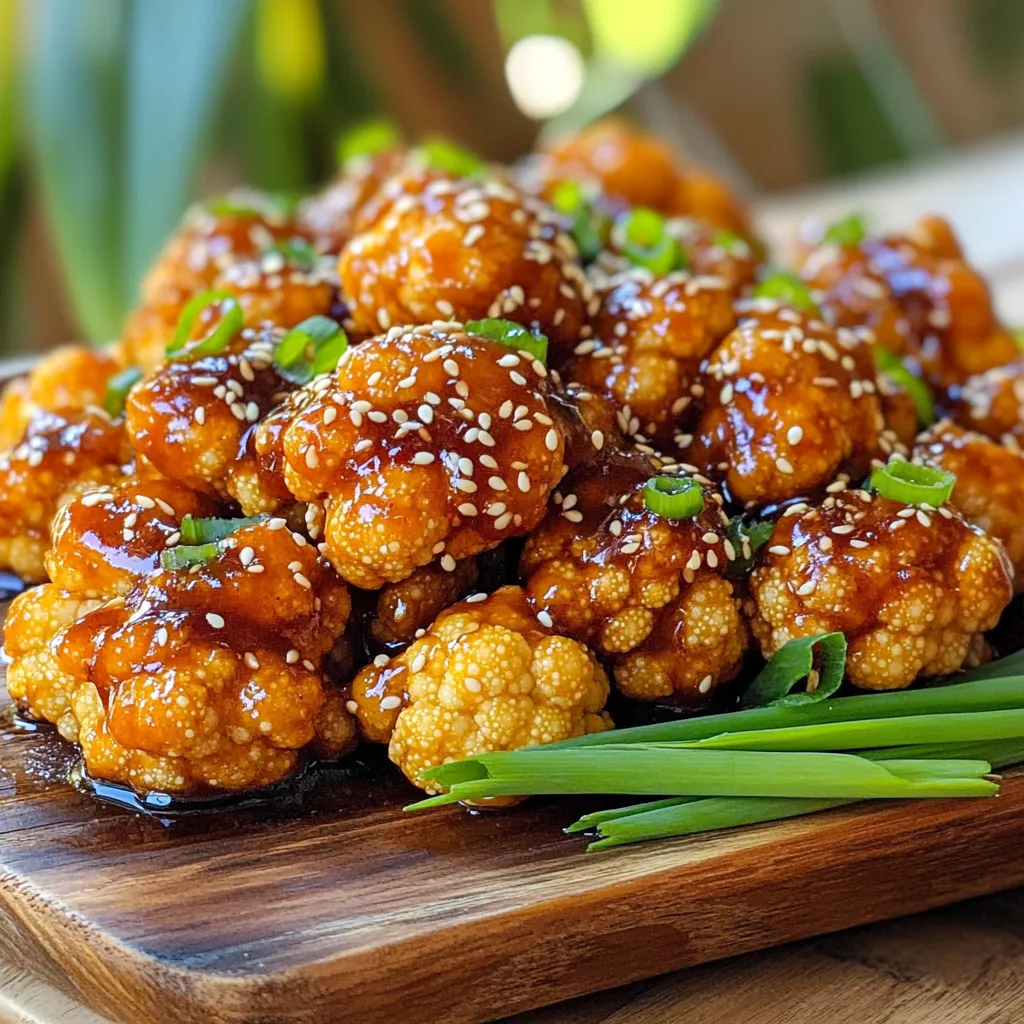
Sticky Sesame Cauliflower Irresistible Flavor Boost

If you crave bold flavors in a healthy dish, you need to try Sticky Sesame Cauliflower. This dish bursts with taste and offers crunchy texture that is hard to resist. With a perfect blend of soy sauce, sweetener, and seasonings, this recipe is simple yet satisfying. Follow me as I take you through the steps to create this irresistible flavor boost that will impress everyone at your table!
Ingredients
Main Ingredients
– 1 medium head of cauliflower, cut into bite-sized florets
– 1/2 cup cornstarch
– 1 teaspoon garlic powder
– 1 teaspoon onion powder
– 1/2 teaspoon salt
– 1/2 teaspoon freshly ground black pepper
The heart of this dish is the cauliflower. Choose a fresh head, with no brown spots. The cornstarch gives it that nice crunch. The garlic and onion powder add depth, while the salt and pepper finish off the flavor.
Sticky Sauce Components
– 1/4 cup soy sauce
– 1/4 cup honey or agave syrup
– 2 tablespoons sesame oil
– 1 tablespoon rice vinegar
– 2 teaspoons freshly grated ginger
The sticky sauce makes this dish shine. Soy sauce brings umami, and honey or agave syrup adds sweetness. Sesame oil gives a nutty flavor, while rice vinegar adds a touch of tang. Fresh ginger wakes up the sauce with its zest, making it truly irresistible.
Garnishes
– 1 tablespoon sesame seeds
– Sliced green onions for garnish
Garnishes elevate the dish. Sesame seeds add a nice crunch and nutty flavor. Green onions give a bright touch, making the dish look lovely and fresh. They also add a hint of sharpness that balances the sweetness of the sauce.
Step-by-Step Instructions
Preparing the Cauliflower
Start by cutting the cauliflower into bite-sized florets. Place them in a large mixing bowl. Now, sprinkle the cornstarch, garlic powder, onion powder, salt, and black pepper over the florets. Toss everything well until each floret gets a good coat of seasoning. This step is key. The seasoning helps boost the flavor and gives the cauliflower a nice crunch.
Frying Process
Heat up a deep skillet or frying pan over medium-high heat. Pour in the vegetable oil. To test if it’s hot, drop a small piece of cauliflower in. If it sizzles, you’re ready! Carefully add the coated cauliflower in small batches. Fry each batch for about 4-5 minutes. You want them golden brown and crispy. Use a slotted spoon to take them out and let them drain on paper towels. Frying in batches keeps everything evenly cooked and crispy.
Making the Sticky Sauce
In a small saucepan, combine the soy sauce, honey or agave syrup, sesame oil, rice vinegar, and grated ginger. Place this over low heat and stir occasionally. Let it cook for about 3-4 minutes. You want the sauce to reduce and become syrupy. This thick sauce will stick to your cauliflower and add a sweet, savory flavor.
Finishing Touches
Once the sauce thickens, add your crispy fried cauliflower to the saucepan. Toss the florets gently in the sticky sauce. Make sure every piece is coated and glistening. Now, sprinkle the sesame seeds on top. Toss again to mix them evenly throughout the cauliflower. This adds extra crunch and a nice nutty flavor.
Serving Suggestions
Transfer your sticky sesame cauliflower to a lovely serving platter. For a colorful touch, finish with sliced green onions on top. This dish pairs well with rice or noodles. You can also serve it as a side dish with stir-fried veggies or grilled meat. Enjoy your delicious creation!
Tips & Tricks
Frying Tips
To get the perfect crispiness, make sure your oil is hot. Heat the oil over medium-high heat. Test it by dropping in a small piece of cauliflower. If it sizzles, you’re ready! Fry the florets in small batches. This keeps the oil hot and gives each piece room to cook evenly.
To avoid an oily texture, drain the fried cauliflower well. Use a slotted spoon to lift them from the oil. Place them on paper towels to absorb extra oil. This step is key for achieving that light, crispy bite.
Sauce Variations
You can adjust the sweetness of the sauce to fit your taste. Use less honey or agave syrup if you prefer it less sweet. For a sweeter kick, add more. This flexibility lets you create your ideal flavor.
If you want some heat, consider adding chili flakes or hot sauce. Mix in a pinch to the sticky sauce while it cooks. This adds an exciting spicy twist to your dish.
Vegetarian Substitutes
You can use different coatings if you want to mix things up. Try using chickpea flour or almond flour instead of cornstarch. This can give your cauliflower a unique flavor and texture.
Feel free to switch out the cauliflower for other veggies. Broccoli, Brussels sprouts, or even tofu work well. Each option brings its own taste and texture, making your dish even more fun!
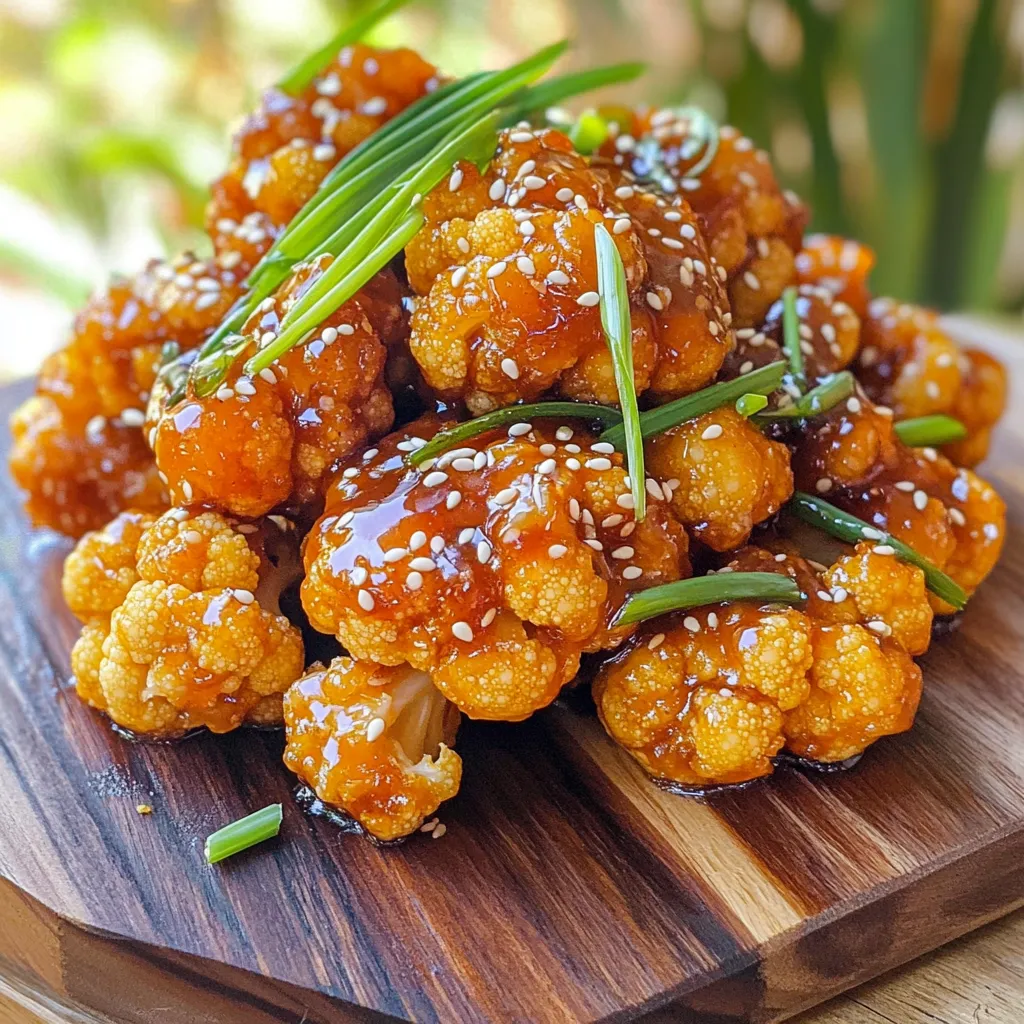
Variations
Gluten-Free Options
You can make this dish gluten-free easily. Just swap regular soy sauce for gluten-free soy sauce. This change keeps the flavor intact while making it safe for those with gluten intolerance. For the coating, instead of cornstarch, you can use potato starch or tapioca flour. Both options provide a great crunch.
Spicy Sticky Sesame Cauliflower
Want to add some heat? You can add chili flakes or hot sauce to the sticky sauce. Start with a pinch and taste as you go. It’s easy to make it just right for your palate. You can also top the cauliflower with sliced red chili or crushed peanuts for extra flavor and texture.
Baked versus Fried
Baking the cauliflower is a healthier option. To bake, preheat your oven to 425°F (220°C). Toss the coated cauliflower in a bit of oil and spread it on a baking sheet. Bake for about 25-30 minutes. Flip halfway for even cooking.
Fried cauliflower has a crispier, richer texture. It’s golden brown and indulgent, creating a delightful crunch. Baked versions are lighter but may lack the same depth of flavor. Choose based on your mood or dietary needs!
Storage Info
Storing Leftovers
To keep your sticky sesame cauliflower fresh, use airtight containers. Glass or plastic containers work well. Make sure to let the cauliflower cool before sealing. This helps avoid moisture inside the container. The leftovers can last about 3 to 4 days in the fridge.
Reheating Recommendations
When you reheat, you want to keep that crispy texture. The best way is to use the oven. Preheat it to 350°F (175°C). Spread the cauliflower on a baking sheet and heat for about 10 minutes. You can also use an air fryer for a quick reheating. For serving ideas, try adding the cauliflower to a salad or grain bowl for a tasty twist.
Freezing Guidelines
If you want to freeze the cauliflower, place it in a single layer on a baking sheet first. Freeze for about 1 to 2 hours. After that, transfer it to freezer bags. Make sure to squeeze out as much air as you can. For the best taste, thaw in the fridge overnight before reheating. Avoid using the microwave as it can make the cauliflower soggy.
FAQs
Can I use frozen cauliflower for this recipe?
Yes, you can use frozen cauliflower! Just remember to thaw it first. Drain the water from the thawed florets. You need to coat them well in cornstarch and seasonings. Frozen cauliflower may need a longer frying time to get crispy. Keep an eye on them while they fry.
How can I make this recipe vegan?
To make this Sticky Sesame Cauliflower vegan, swap honey for agave syrup or maple syrup. Both options provide a sweet flavor without using animal products. You can also try brown rice syrup for a unique taste.
What is the nutritional value of Sticky Sesame Cauliflower?
Each serving has about 200 calories. It contains 7 grams of protein and 10 grams of fat. You also get around 25 grams of carbs, with 3 grams of fiber. This dish is a tasty option for a healthy meal.
Can I make the sticky sauce ahead of time?
Yes, you can make the sauce in advance! Store it in an airtight container in the fridge. It will last for about a week. When you are ready to use it, just reheat it in a small saucepan over low heat until warm.
What dishes pair well with Sticky Sesame Cauliflower?
Sticky Sesame Cauliflower goes great with rice or quinoa. You can serve it alongside grilled chicken or tofu for a complete meal. For a fresh twist, add a side salad or steamed veggies. These pairings will enhance your dining experience.
This sticky sesame cauliflower recipe combines fresh ingredients and tasty flavors. You learned how to prepare, fry, and coat the cauliflower to make it delicious. I shared tips on achieving crispiness and making variations. Remember, adjust the sweetness and spice levels to suit your taste. Store leftovers properly to enjoy them later. With this guide, you can impress friends and family with your cooking. Get ready to savor every bite!

![- 2 large chicken breasts, diced into bite-sized pieces - 1 tablespoon olive oil - 1 teaspoon taco seasoning - 1 teaspoon smoked paprika - 1 jalapeño, finely chopped - 1 cup corn kernels - 1 cup black beans - 1 cup shredded cheddar cheese - 1 cup shredded Monterey Jack cheese - 4 large flour tortillas - Salt and pepper, to taste - 1/4 cup fresh cilantro, chopped - Sour cream and salsa, for serving When I cook spicy chicken quesadillas, I focus on fresh and simple ingredients. The chicken breasts are the star here. I like to cut them into small pieces for quick cooking. This way, they soak up all the flavors from spices like taco seasoning and smoked paprika. Next, I add a jalapeño for heat, but you can remove the seeds for less spice. Corn and black beans add sweetness and texture. Together, they create a colorful filling. Cheese is crucial for that melty goodness. I mix cheddar and Monterey Jack for a creamy blend. Don’t forget the large flour tortillas; they wrap everything up nicely. Finally, I season with salt and pepper. Fresh cilantro is my go-to garnish. It brightens the dish. I serve these quesadillas with sour cream and salsa. These additions bring out the best flavors. For the full recipe, check the details above. - Heat olive oil in a large skillet. - Add diced chicken and season with taco seasoning and smoked paprika. - Cook until chicken is thoroughly cooked, about 7-10 minutes. In this step, make sure the skillet is hot enough. You want the chicken to sizzle when it hits the pan. The taco seasoning adds a great flavor. Smoked paprika gives a nice smoky touch. Stir the chicken often. This helps it cook evenly. You’ll know it’s ready when there’s no pink left. - Stir in chopped jalapeño, corn, and black beans. - Cook for an additional 2-3 minutes. Now, it’s time to boost the flavor. Adding jalapeños brings some heat. If you want it milder, remove the seeds. The corn adds sweetness, while black beans give protein. Mix everything well. Let them cook together for a few minutes. This melds the flavors nicely. - Place flour tortilla in a skillet and sprinkle with cheese. - Add chicken and vegetable mixture and fold. - Cook until golden brown on both sides. Grab a large skillet again. Place one tortilla in it and sprinkle half the cheese on top. Next, scoop some of the chicken and vegetable mix onto one half. Fold the tortilla over. This creates a pocket of goodness! Cook until the bottom is golden brown. Flip it carefully. Both sides should be crispy and brown. - Slice quesadillas into wedges. - Garnish with cilantro and serve with sour cream and salsa. Once cooked, take the quesadilla out. Let it cool for a minute. Then, slice it into wedges. This makes dipping easy. Sprinkle fresh cilantro on top for a burst of flavor. Serve with sour cream and salsa on the side. These add a creamy and tangy element to your dish. For the full recipe, check out the details above! - Ensure chicken is thoroughly cooked to avoid any raw texture. - Use a non-stick skillet for easier flipping. When cooking chicken, make sure it reaches an internal temperature of 165°F. This keeps it safe and tasty. I often check by cutting a piece in half to see if it's no longer pink. A non-stick skillet helps prevent the quesadillas from sticking. This way, flipping them becomes a breeze. - Experiment with different cheeses for added flavor. - Adjust jalapeño amount based on spice preference. Trying different cheeses can change the whole dish. You might love a mix of pepper jack and cheddar for a spicy kick! If you like it mild, reduce the jalapeño. On the other hand, if you crave heat, toss in more. Every bite should be just right for you. - Pair with Mexican rice or a fresh salad. - Serve with lime wedges for a citrusy twist. I love serving these quesadillas with Mexican rice. It adds a nice touch and makes the meal more filling. A fresh salad with crunchy veggies offers a great contrast. Don’t forget lime wedges! A squeeze of lime adds a bright flavor that complements the spices perfectly. For the full recipe, check out the section above. {{image_4}} You can make spicy chicken quesadillas vegetarian by swapping chicken for grilled vegetables or tofu. Try using bell peppers, zucchini, or mushrooms. These veggies will soak up the spices and add great taste. Tofu gives a nice texture and protein. Just make sure to season them well with taco seasoning. If you prefer other meats, use beef or shrimp instead of chicken. Both will bring their own unique flavors. For beef, consider using ground beef or steak strips. For shrimp, use peeled and deveined shrimp. Explore different marinades for varied flavors. A spicy marinade can add excitement to your filling! Cheese is key in quesadillas. You can try pepper jack cheese for some extra heat. Its creamy texture matches well with the spicy filling. Goat cheese is another option for a creamy twist. It melts nicely and adds a tangy flavor. Mixing different cheeses can create a rich, delicious taste! For the full recipe, check out the [Full Recipe]. Store any leftover quesadillas in an airtight container. They will last in the fridge for up to 3 days. This way, you can enjoy them again and save time on cooking. You can freeze uncooked quesadillas for later use. Just prepare them as you normally would, but do not cook them. Wrap each quesadilla tightly in plastic wrap. Cooked quesadillas can also be frozen for up to one month. This is a great way to have a quick meal ready. To reheat, use a skillet for the best texture. Heat the skillet over medium heat and add the quesadilla. Cook until heated through and crispy. If you need a quick option, a microwave works too. Just place the quesadilla on a plate, cover it with a paper towel, and heat for about 30 seconds to 1 minute. Enjoy your tasty meal! You can use beans or grilled vegetables as a filling. Black beans work well. They add protein and fiber. Grilled peppers or zucchini also give a great taste. This option is tasty and healthy. Common sides include guacamole, rice, or a fresh salsa. Guacamole adds creaminess. Rice provides a nice base. Fresh salsa gives a tangy kick. These sides make your meal complete and fun. Yes, corn tortillas can be used, but they may require more care while cooking. They can break easily, so handle them gently. Warm them first to soften. This will help with folding and cooking. Add sliced jalapeños or chopped habaneros to the filling. These peppers boost the heat level. You can also use spicy cheese like pepper jack. This adds flavor and spice all at once. For the full recipe, check out the details above. This blog post discussed how to make delicious spicy chicken quesadillas. We started with the main and additional ingredients, like chicken, jalapeños, corn, and beans. Next, I detailed a step-by-step cooking guide, from preparing the chicken to serving the filled quesadillas. I also shared helpful tips, variations, and storage methods to enhance your experience. Make these quesadillas your own by trying new ingredients. Enjoy the process and share them with friends!](https://joymealplan.com/wp-content/uploads/2025/06/eac4fc54-0f3b-4254-8def-89065c9b0855-768x768.webp)
![- 1 ripe mango, diced - 2 ripe avocados, diced - 1 small red onion, finely chopped - 1 sweet red bell pepper, diced - 1 jalapeño, minced - 1/4 cup fresh cilantro, chopped - Juice of 2 limes - 1 tablespoon extra virgin olive oil - Salt and black pepper to taste How to choose the perfect mango Look for a mango that feels slightly soft when you press it. The skin should have a nice golden hue. A ripe mango smells sweet at the stem end. Choosing the best avocados Pick avocados that yield to gentle pressure. The skin should be dark green or black, depending on the variety. Avoid hard or overly mushy avocados. Signs of a fresh jalapeño A fresh jalapeño should be firm and glossy. Look for bright green skin without wrinkles. A fresh pepper has a crisp feel and a spicy aroma. These tips will help you find the best ingredients for your salsa. Fresh produce makes your dish more vibrant and tasty. For the full recipe, check the details above. - Start by washing all your fresh produce. - Dice the ripe mango into small cubes. - Carefully cut the avocados into bite-sized pieces. - Finely chop the red onion for sharp flavor. - Dice the red bell pepper for sweetness. - Mince the jalapeño, adjusting to your heat preference. Next, in a large mixing bowl, combine the diced mango, avocado, chopped onion, red bell pepper, and minced jalapeño. Gently fold in the chopped cilantro, spreading the fresh herb throughout. Squeeze the juice of two fresh limes over the mix, along with a tablespoon of olive oil. This adds richness. Use a spatula to carefully toss the ingredients. Keep the avocado pieces intact to maintain texture. Season the salsa with salt and freshly cracked black pepper, mixing lightly to combine. Resting time is key for great flavor. Let the salsa sit for about 10 minutes at room temperature. This duration allows the ingredients to blend and the flavors to develop. When you let the salsa rest, the lime juice and olive oil soak in. This process enhances the taste and makes every bite burst with flavor. Enjoy this fresh, vibrant dish as a wonderful side or topping. For the full recipe, check out the details above. - How to keep avocados from browning: To stop avocados from turning brown, use lime juice. The acid in lime juice slows oxidation. Squeeze fresh lime juice right after cutting the avocado. Mix it in well to cover all the flesh. You can also store the salsa in an airtight container to keep it fresh longer. - Using lime juice effectively: Lime juice brightens the flavors in your salsa. Use freshly squeezed lime juice rather than bottled juice. It tastes better and adds a nice zing. Aim for about two limes for this recipe. Adjust based on your taste! - Importance of ingredient proportions: Balance is key to great salsa. Use equal parts of mango and avocado for a good mix. Too much onion can overpower the other flavors. Keep the jalapeño mild if you prefer less heat. Taste as you go, and adjust the ingredients to suit your own palate. - Pairing with tortilla chips: Serve your mango avocado salsa with crispy tortilla chips. The crunch of the chips pairs well with the smoothness of the salsa. It makes for a perfect snack or appetizer at parties. - Using as a topping for grilled meats: This salsa works great as a topping for grilled chicken or fish. The sweet and spicy flavors complement the meat beautifully. Just spoon it on right before serving for the best taste. - Incorporating into tacos or burritos: Use this salsa to add freshness to tacos or burritos. It enhances your meal with vibrant flavors. Just add a scoop in your taco or wrap it up in a burrito, and enjoy! For the full recipe, check out the complete method to create this delicious dish. {{image_4}} You can make mango avocado salsa even better with new flavors. Try adding tropical fruits like pineapple or papaya. These fruits bring a sweet twist and a fun texture. You can also mix in fresh herbs like mint or basil. These herbs give a fresh taste that brightens the salsa. Want more heat? You can swap out the jalapeño for a serrano or habanero pepper. These peppers can make your salsa spicy and exciting. Just remember to taste as you go! Making mango avocado salsa fit your diet is easy. If you're vegan, this recipe is already perfect. It has no animal products and is full of healthy fats. If you need a low-sodium option, skip the added salt. The fresh lime juice and other ingredients give plenty of flavor. For those with allergies, check each ingredient. You can always swap out foods that cause issues for you. This salsa is a versatile dish that everyone can enjoy. Try these ideas to make it your own! For the full recipe, check out the [Full Recipe]. To keep your mango avocado salsa fresh, put it in the fridge. Use an airtight container. This helps prevent the salsa from browning. The salsa stays good for about 2 to 3 days in the fridge. If you see browning, it’s best to toss it. Yes, you can freeze mango avocado salsa! However, know that the texture might change. For best results, freeze it without the avocado. This keeps the salsa tasting fresh. When you're ready to use it, transfer it to the fridge for a slow thaw. To freeze, use a freezer-safe container. Leave some space at the top for expansion. You can also use freezer bags. Squeeze out the air before sealing. When thawing, avoid using a microwave. This can make the salsa mushy. Instead, let it sit in the fridge overnight. Once thawed, mix it well before serving. If it seems dry, add a splash of lime juice for extra flavor. Enjoy your mango avocado salsa fresh and flavorful! How long does mango avocado salsa last? Mango avocado salsa lasts about 2 to 3 days in the fridge. To keep it fresh, store it in an airtight container. The avocado may brown, but it will still taste good. Can I make salsa ahead of time? You can make salsa ahead of time. Just prepare it a few hours before serving. This allows the flavors to mix well. If you make it too early, the avocado may brown. What can I substitute for cilantro? If you dislike cilantro, you can use parsley instead. Parsley adds a fresh taste without the strong flavor of cilantro. Green onions or basil are also good options. What are the health benefits of mangoes and avocados? Mangoes are high in vitamins A and C. They support your immune system and promote healthy skin. Avocados contain healthy fats and fiber. They help with digestion and heart health. Is mango avocado salsa good for meal prep? Yes, mango avocado salsa is great for meal prep. It adds flavor to many meals. Use it on tacos, salads, or grilled meats for a fresh twist. Can I use canned ingredients instead of fresh? You can use canned ingredients, but fresh tastes better. Canned mango or avocado may change the texture. If you must use canned, pick options with no added sugar or salt. Mango avocado salsa is fresh, tasty, and easy to make. We covered how to choose ripe ingredients, prepare them, and enhance flavors. Remember to rest your salsa for the best taste. You can adjust it to fit your diet or add new ingredients. Store leftovers properly to enjoy later. This salsa pairs well with many dishes and adds great flavor. Enjoy your cooking and try new flavor combinations!](https://joymealplan.com/wp-content/uploads/2025/07/4f0b2596-afb2-4ef7-a95d-26c50b7bed60-768x768.webp)


